
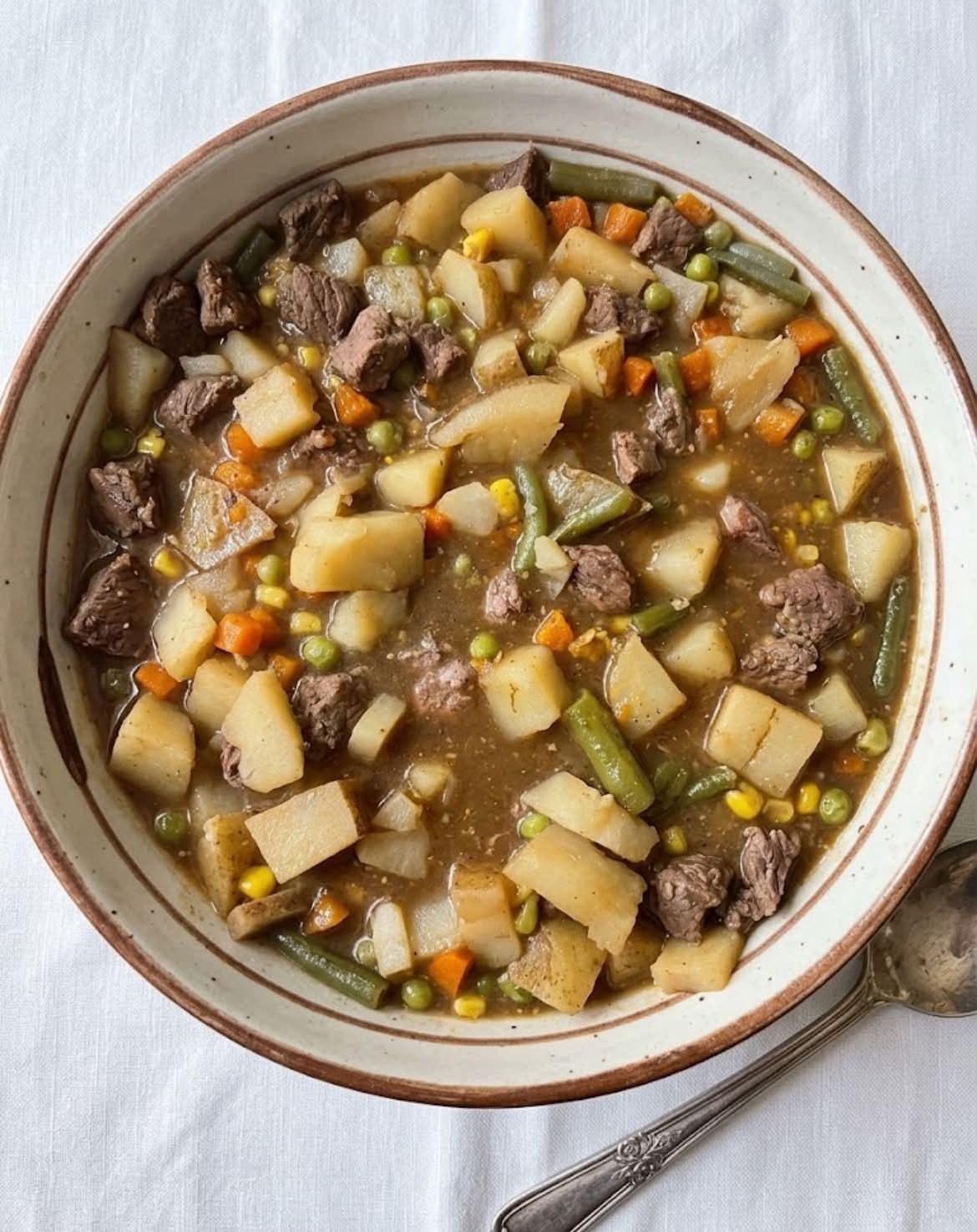
Beef Vegetable Soup is a classic, nourishing dish that brings together tender beef and fresh vegetables in a rich, flavorful broth. This hearty soup is perfect for anyone looking for a wholesome and comforting meal that satisfies both the appetite and the soul. Whether you’re cooking for a family dinner or preparing meals ahead for the week, this recipe delivers warmth, nutrition, and deliciousness in every spoonful.
With a total time of just over an hour, including 20 minutes of prep and about 1 hour and 15 minutes of cooking, this Beef Vegetable Soup strikes a balance between slow-cooked tenderness and fresh vegetable crunch. It’s a versatile dish that fits well on busy weeknights or as a leisurely weekend treat, offering a rich way to enjoy a variety of vegetables alongside succulent beef in a savory broth.
Why you’ll love this Beef Vegetable Soup
- It combines tender beef with a variety of fresh vegetables for a balanced, nutritious meal that satisfies hunger and supports wellbeing.
- The slow simmering process deeply enhances the flavors, resulting in a rich, comforting broth that warms you from the inside out.
- This soup is straightforward to prepare with simple ingredients and easy-to-follow steps, making it accessible for cooks of all levels.
- The recipe is highly adaptable, allowing you to customize with your favorite vegetables, herbs, or seasonings to suit your taste preferences.
- It’s excellent for meal prepping because it stores well in the refrigerator and the flavors develop even more after resting overnight.
Ingredients
- 1 lb beef stew meat, cut into small cubes
- 1 tbsp vegetable oil
- 1 medium onion, diced
- 2 carrots, diced
- 2 celery stalks, diced
- 3 medium potatoes, peeled and diced
- 4 cups beef broth
- 2 cups water
- 1 tbsp tomato paste
- 1 tsp Worcestershire sauce
- 1 tsp salt, plus more to taste
- 1/2 tsp black pepper
- 1/2 tsp dried thyme
- 1 bay leaf
- 1 cup cut green beans
- 3/4 cup peas
- 3/4 cup corn
- 1 tbsp flour mixed with 2 tbsp water, optional for slight thickening
Servings: 6 | Prep Time: 20 minutes | Cook Time: 1 hour 15 minutes
The key ingredients in this Beef Vegetable Soup include beef stew meat, which provides tender, flavorful chunks of protein that become melt-in-your-mouth tender when slow-cooked. Fresh vegetables like potatoes, carrots, celery, green beans, peas, and corn not only add vibrant colors and contrasting textures but also boost the nutritional value with fiber, vitamins, and minerals. Opting for fresh, firm vegetables with no blemishes ensures the best flavor and texture. Selecting a quality beef broth—preferably homemade or low-sodium store-bought—creates a rich base without overpowering saltiness. Tomato paste adds a concentrated umami and slight sweetness, while Worcestershire sauce contributes depth and a subtle tang that rounds out the broth beautifully.
Instructions
- Heat the oil: Place a soup pot over medium-high heat and add the vegetable oil. Warming the oil properly ensures the beef sears well without sticking.
- Brown the beef: Add the beef stew meat in batches to avoid overcrowding. Cook until browned on all sides, which locks in juices and develops rich flavor through caramelization. Then remove the beef and set aside on a plate to keep the pot clear for vegetables.
- Sauté the vegetables: Add the diced onion, carrots, and celery to the pot. Cook for about 5 minutes, stirring occasionally until they soften slightly and start releasing their natural sweetness, which builds flavor for the soup base.
- Add tomato paste and beef: Stir in the tomato paste thoroughly with the vegetables to incorporate its concentrated flavor. Return the browned beef to the pot, mixing it in evenly.
- Add potatoes and liquids: Add the diced potatoes, beef broth, water, Worcestershire sauce, salt, black pepper, dried thyme, and the bay leaf to the pot. These ingredients create the flavorful cooking liquid that will tenderize the beef and infuse the vegetables.
- Simmer the soup: Bring the mixture to a boil, then reduce the heat to low. Partially cover the pot and simmer for 45 to 60 minutes, or until the beef is tender and the flavors meld. Simmering gently prevents the meat from toughening and helps develop a rich broth.
- Add remaining vegetables: Stir in the green beans, peas, and corn. Continue to simmer for an additional 10 to 15 minutes until the vegetables are tender but still retain some bite, preserving their color and nutrients.
- Optional thickening: If you prefer a slightly thicker broth, stir in the flour mixed with water, then simmer for 2 to 3 minutes more. This slurry thickens the soup without overpowering the flavors or adding heaviness.
- Finish and season: Remove the bay leaf. Taste the soup and adjust salt and pepper as needed before serving to ensure balanced seasoning and maximum flavor impact.
Tips for the best results
- Brown the beef in batches: Avoid overcrowding the pan to ensure each piece caramelizes properly, which enhances flavor and texture. When overcrowded, meat steams instead of browns.
- Dice vegetables uniformly: Cutting vegetables into similar sizes ensures they cook evenly and look visually appealing in the finished soup, preventing some pieces from overcooking while others remain underdone.
- Simmer gently: Keeping the heat low during the simmering stage allows the beef to become tender without breaking apart, preserving the texture and preventing the broth from becoming cloudy.
- Add quick-cooking vegetables last: Adding green beans, peas, and corn towards the end keeps them bright and crisp, maintaining their fresh flavor and nutritional quality.
- Balance herbs carefully: Use fresh herbs if possible for a brighter taste, but dried thyme works well too. Measure herbs precisely to avoid overpowering the soup, as too much can mask other flavors.
- Prevent lumps with gradual thickening: When using the flour slurry, add it slowly while stirring constantly to avoid clumps and achieve a smooth, velvety broth.
Variations and substitutions
- Swap beef stew meat with chunks of chuck roast or brisket to experiment with different textures and richer flavors.
- Use vegetable broth instead of beef broth for a lighter, vegetarian-friendly version or to accommodate dietary restrictions.
- Add chopped fresh tomatoes or canned diced tomatoes to introduce a tangier, slightly acidic flavor that brightens the soup.
- Include other vegetables like parsnips, turnips, or zucchini to vary the flavor and texture, adding seasonal or personal favorites.
- Replace Worcestershire sauce with soy sauce or balsamic vinegar for a unique twist that alters the broth’s umami and acidity profile.
Serving suggestions
Serve your Beef Vegetable Soup piping hot in deep bowls to keep it warm longer. Pair it with crusty bread, such as a baguette or sourdough, or warm dinner rolls ideal for dipping into the flavorful broth. A side salad dressed with a light vinaigrette provides a refreshing contrast to the soup’s richness and adds a crisp texture to the meal. For an extra flavor boost, garnish the soup with freshly chopped parsley or a sprinkle of grated Parmesan cheese, which adds a savory note and a pop of color, making the dish even more inviting.
Storage and reheating
Store leftover Beef Vegetable Soup in an airtight container in the refrigerator for up to 4 days to maintain freshness. When reheating, warm the soup gently on the stovetop over medium heat, stirring occasionally to prevent sticking or scorching and to redistribute flavors evenly. For longer storage, freeze the soup in suitable containers for up to 3 months. Thaw overnight in the refrigerator before reheating to preserve texture and taste. Avoid repeated freezing and thawing to maintain the best quality.
Frequently asked questions
Can I use ground beef instead of stew meat?
While ground beef can be used as a substitute, it significantly changes the soup’s texture and cooking dynamics. Stew meat chunks hold their shape and become tender during slow simmering, providing a satisfying chew. Ground beef tends to break down quickly and results in a different mouthfeel, making the soup more like a stew or chili. If using ground beef, brown it thoroughly and reduce simmering time to prevent it from becoming mushy.
Is it necessary to use Worcestershire sauce?
Worcestershire sauce adds a complex umami flavor and subtle tang that enhances the broth’s depth, but it’s not essential. If you don’t have it or prefer alternatives, soy sauce or balsamic vinegar can provide similar savory and slightly acidic notes. Omitting it altogether will make the soup milder but still delicious, especially if you compensate with well-seasoned broth and herbs.
Can I make this soup in a slow cooker?
Yes, this soup adapts well to slow cooker preparation. For best results, brown the beef and sauté the vegetables beforehand to develop flavor. Then combine all ingredients in the slow cooker. Cook on low for 6 to 8 hours or on high for 3 to 4 hours until the beef is tender and the vegetables are cooked through. Add the quick-cooking vegetables like green beans, peas, and corn in the last 30 minutes to avoid overcooking.
How do I prevent the vegetables from becoming mushy?
To keep vegetables from turning mushy, add those that cook quickly—such as green beans, peas, and corn—toward the end of the cooking process. This approach ensures they retain their texture, vibrant color, and nutritional value. Additionally, cutting vegetables into uniform sizes helps them cook evenly, preventing some pieces from becoming overdone while others remain undercooked.
What can I do if my soup is too thin?
If your soup broth is thinner than desired, you can thicken it by stirring in a slurry made from flour and water and simmering for a few minutes until it reaches your preferred consistency. Alternatively, mashing a portion of the cooked potatoes directly in the soup adds natural starch, thickening the broth without altering the flavor. These methods provide a richer mouthfeel without overwhelming the soup’s balance.
Final thoughts
Beef Vegetable Soup is a comforting classic that masterfully combines hearty beef and fresh vegetables into a delicious, warming meal. Its ease of preparation, adaptable nature, and richly layered flavors make it an ideal choice for nourishing weeknight dinners or efficient meal prep. This recipe invites you to enjoy a bowl full of satisfying goodness that can easily become a beloved staple in your home cooking repertoire. Give it a try today and savor the wholesome flavors that only a well-made soup can deliver.