
Introduction
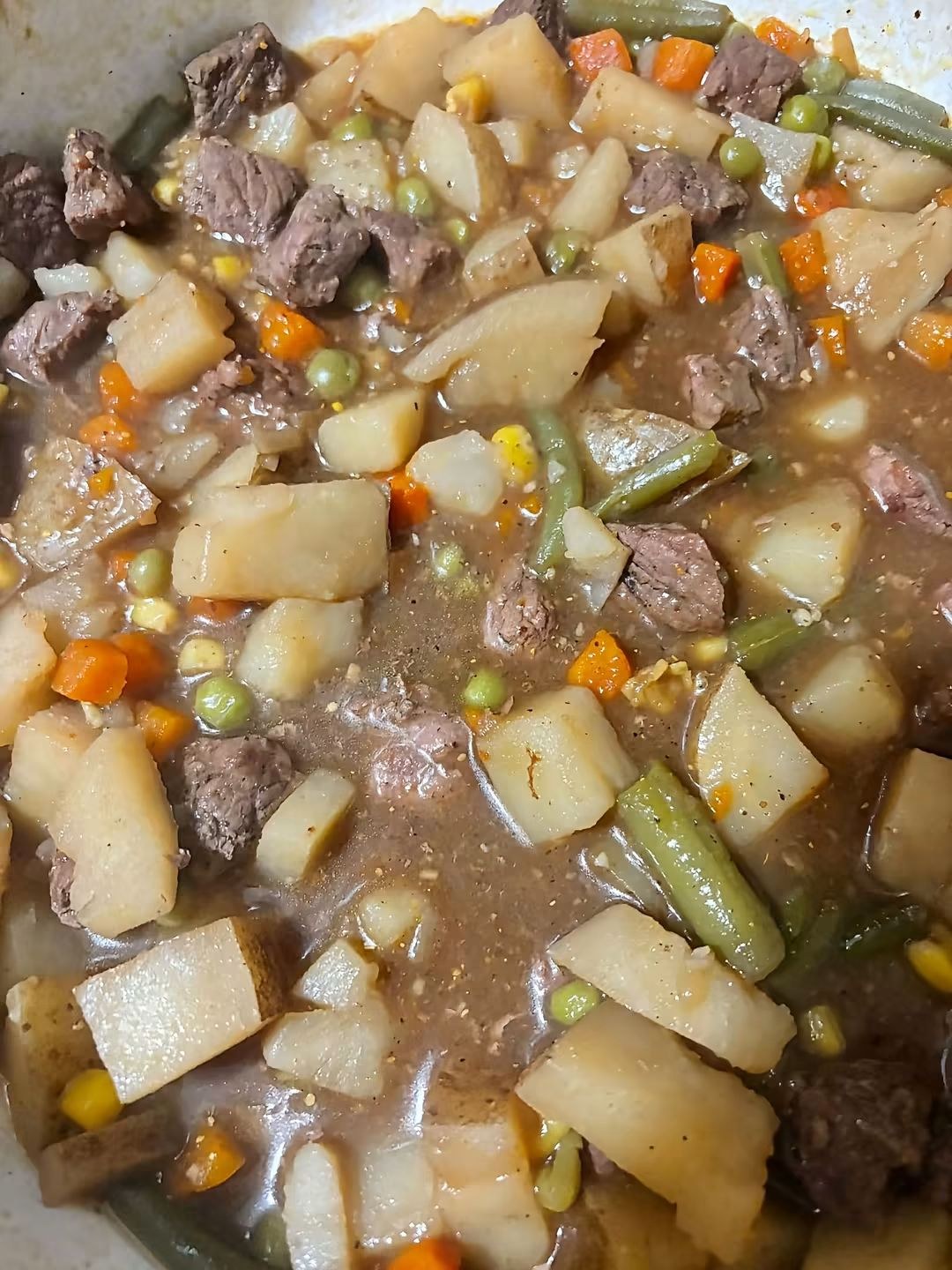
Beef Vegetable Stew is a timeless comfort dish that combines tender beef chuck with a medley of fresh vegetables simmered in a rich, savory broth. This stew is perfect for anyone looking for a satisfying, wholesome meal that warms you from the inside out. Whether you’re cooking for your family on a chilly evening or preparing meals ahead for busy days, this stew offers a hearty and nourishing option.
With about 20 minutes of prep and 2 hours of gentle cooking, this recipe yields six generous servings. Its long, slow simmering allows the beef to become melt-in-your-mouth tender while the vegetables soak up the rich flavors of the broth. This balance of protein, vegetables, and comforting flavors makes it an ideal choice for family dinners or meal prepping for the week.
Why you’ll love this Beef Vegetable Stew
- Rich, tender beef that melts in your mouth after slow simmering, providing a satisfying texture.
- A colorful variety of vegetables adding both nutrition and contrasting textures to each bite.
- Hearty broth infused with herbs and Worcestershire sauce for a deep, layered flavor profile.
- Thick, luscious gravy that perfectly coats the beef and vegetables, enhancing every mouthful.
- Simple ingredients and straightforward steps make this an accessible recipe for cooks of all levels.
Ingredients
- 2 lb beef chuck, cut into 1-inch cubes
- 2 tbsp vegetable oil
- 1 large onion, chopped
- 3 cloves garlic, minced
- 4 cups beef broth
- 2 tbsp tomato paste
- 2 tbsp Worcestershire sauce
- 1 tsp salt, plus more to taste
- 1/2 tsp black pepper
- 1 tsp dried thyme
- 2 bay leaves
- 4 medium potatoes, diced
- 3 carrots, diced
- 1 1/2 cups green beans, cut into 1-inch pieces
- 3/4 cup peas
- 3/4 cup corn kernels
- 3 tbsp all-purpose flour
- 3 tbsp water
This recipe uses classic, easy-to-find ingredients that deliver maximum flavor. Choose well-marbled beef chuck for tenderness and richness, as the fat content ensures the meat stays moist and flavorful during slow cooking. Fresh vegetables like potatoes, carrots, and green beans bring vibrant color and wholesome nutrition, providing a variety of textures and natural sweetness. Using beef broth as the base creates a deep, savory stew, while tomato paste and Worcestershire sauce add complexity and umami depth. The flour slurry is a simple but effective way to achieve a perfectly thickened gravy that clings to every bite.
Instructions
- Prepare the beef: Pat the beef cubes dry with paper towels and season lightly with salt and pepper to enhance their natural flavor.
- Brown the beef: Heat vegetable oil in a heavy pot or Dutch oven over medium-high heat. Brown the beef in batches to avoid overcrowding, then transfer the browned pieces to a plate.
- Sauté the aromatics: Add chopped onion to the pot and cook until softened, about 5 minutes. Stir in minced garlic and cook for an additional 30 seconds until fragrant.
- Add tomato paste and beef: Stir in tomato paste to coat the onions and garlic, then return the browned beef to the pot.
- Build the stew base: Pour in beef broth and add Worcestershire sauce, dried thyme, bay leaves, and the remaining salt and pepper. Stir to combine.
- Simmer gently: Bring the mixture to a simmer, cover, and cook on low heat for 1 to 1 1/4 hours until the beef starts to become tender.
- Add root vegetables: Add diced potatoes and carrots to the pot, then continue simmering uncovered for 20 minutes.
- Add remaining vegetables: Stir in green beans, peas, and corn kernels. Simmer for another 10 to 15 minutes until all vegetables and beef are tender.
- Thicken the stew: Mix all-purpose flour with water to form a smooth slurry. Stir this into the stew and simmer for 2 to 3 minutes until the gravy thickens nicely.
- Final seasoning and serve: Taste the stew and adjust salt and pepper as needed. Remove bay leaves and serve the stew hot.
Tips for the best results
- Pat the beef dry before browning to get a better sear and richer flavor. Moisture on the surface can cause steaming instead of browning, which prevents the development of those tasty caramelized crusts.
- Brown the beef in batches to prevent overcrowding and ensure caramelization. Overcrowding lowers the pan temperature, leading to steaming rather than searing, which affects both flavor and texture.
- Simmer gently to keep the beef tender and prevent the vegetables from becoming mushy. A low simmer breaks down connective tissue without toughening the meat or overcooking the veggies.
- Add vegetables in stages to avoid overcooking the more delicate ones like peas and corn. Root vegetables need longer cooking times, while softer vegetables retain their texture and color when added later.
- Use a flour slurry to thicken the stew gradually and avoid lumps. Mixing flour with cold water before adding it prevents clumping and allows smooth incorporation into the hot liquid.
- Let the stew rest for 10 minutes off the heat before serving to enhance flavors. Resting allows the ingredients to meld and the gravy to thicken slightly, improving the overall taste and texture.
Variations and substitutions
- Swap beef chuck with stew beef or brisket for similar tenderness and flavor, adjusting cooking times as needed based on cut thickness.
- Use sweet potatoes instead of regular potatoes for a sweeter twist and added nutritional benefits like beta-carotene.
- Replace green beans with asparagus or zucchini depending on seasonality to introduce different textures and fresh flavors.
- For a gluten-free version, thicken the stew with cornstarch mixed with water instead of flour, adding it gradually to avoid over-thickening.
- Add a splash of red wine or balsamic vinegar for extra depth and acidity, which brightens the rich stew and balances the flavors.
Serving suggestions
This Beef Vegetable Stew is delicious served on its own for a hearty and satisfying meal. For a more complete dinner, pair it with crusty bread or buttery mashed potatoes to soak up the luscious gravy and add complementary textures. A simple green salad or steamed greens like kale or spinach provide a fresh, vibrant contrast to the rich stew. Alternatively, use the stew as a filling for hearty pot pies or serve it over creamy polenta to create a comforting, elegant dish perfect for colder months.
Storage and reheating
Store leftover stew in an airtight container in the refrigerator for up to 3 days. The flavors actually improve after resting overnight as the ingredients meld together more fully. For longer storage, freeze the stew for up to 3 months in a freezer-safe container, leaving some space for expansion. When reheating, warm gently on the stovetop over medium heat, stirring occasionally to prevent sticking. Add a splash of broth or water if the stew thickens too much during reheating, ensuring it stays smooth and saucy.
Frequently asked questions
Can I use a different cut of beef for this stew?
Yes, while beef chuck is ideal for stewing due to its marbling and tenderness, other cuts like stew beef or brisket can also be used. These cuts have enough connective tissue to break down during slow cooking, resulting in tender, flavorful meat. Just be mindful of cooking times, as leaner cuts may dry out if cooked too long.
How do I prevent the vegetables from becoming mushy?
To keep vegetables from becoming mushy, add them to the stew in stages based on their cooking times. Root vegetables such as potatoes and carrots need longer cooking, so add them early. Softer vegetables like peas, corn, and green beans should be added closer to the end of cooking to retain their texture and vibrant color. Also, maintain a gentle simmer rather than a rapid boil to avoid breaking down the vegetables too quickly.
Can I make this stew in a slow cooker?
Absolutely. For best results, brown the beef and sauté the onions and garlic first to develop flavor. Then transfer everything to your slow cooker along with the remaining ingredients. Cook on low for 6 to 8 hours or on high for 3 to 4 hours until the beef and vegetables are tender. Add delicate vegetables like peas and corn during the last 30 minutes to maintain their texture.
What can I use instead of Worcestershire sauce?
If you don’t have Worcestershire sauce on hand, soy sauce is a good substitute as it provides umami and saltiness. To mimic the tangy complexity, add a small splash of vinegar or lemon juice along with the soy sauce. This combination helps to replicate the savory depth Worcestershire sauce adds to the stew.
How do I thicken the stew without flour?
You can use cornstarch mixed with cold water as a gluten-free thickener. Add the mixture gradually while stirring over low heat until the stew reaches your desired consistency. Alternatively, mashing some of the cooked potatoes directly in the stew can naturally thicken the broth and add body without any additional ingredients.
Final thoughts
Beef Vegetable Stew is a classic dish that delivers warmth, comfort, and nourishing flavors in every spoonful. Its tender beef, vibrant vegetables, and rich gravy combine to create a meal that’s both satisfying and wholesome. With simple ingredients and straightforward steps, this recipe is accessible for home cooks wanting a reliable, delicious stew. Give this recipe a try and enjoy a satisfying homemade stew that’s sure to become a family favorite for years to come.