
Introduction
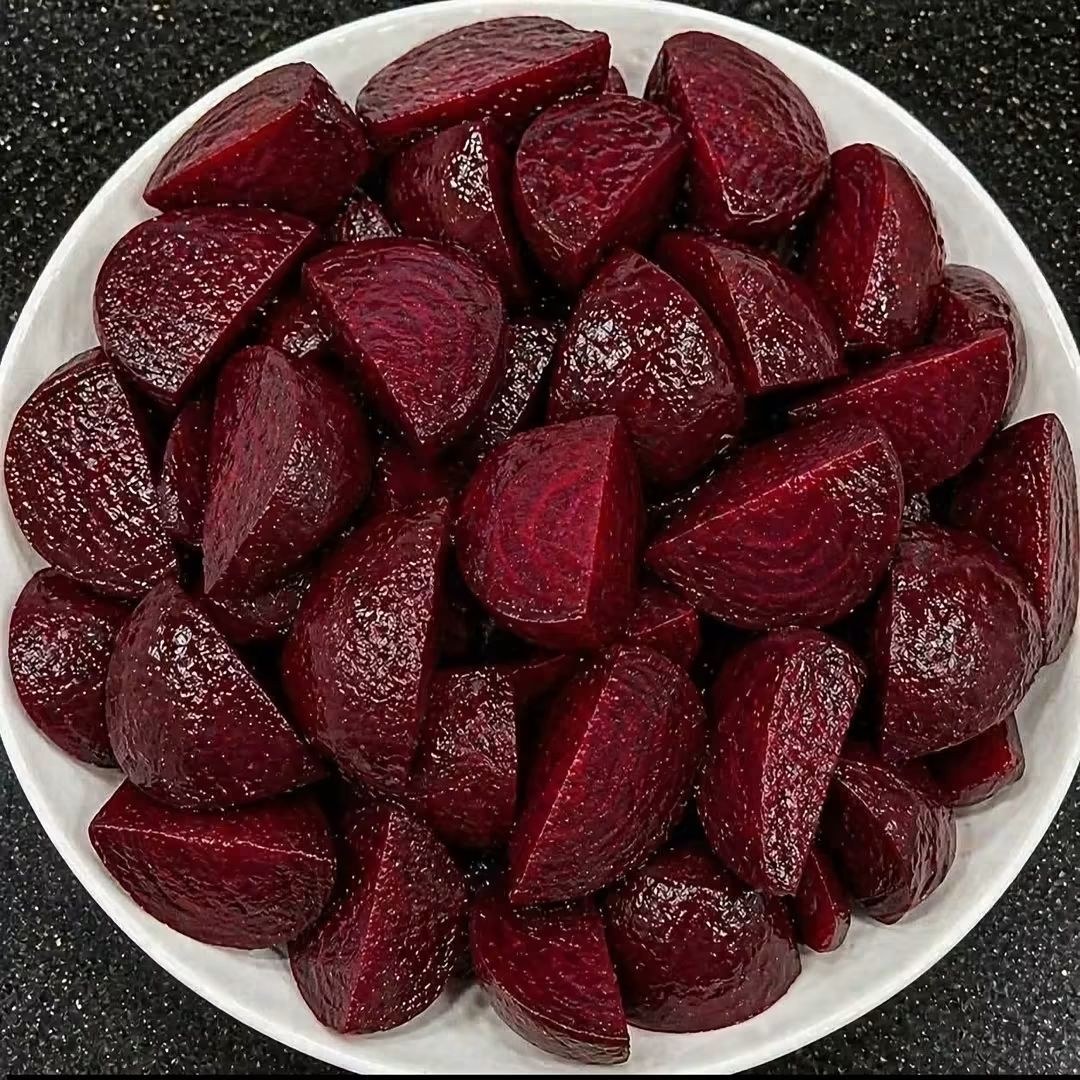
Boiled beets are a classic, simple vegetable side dish cherished for their tender texture and naturally sweet, earthy flavor. This boiled beets recipe highlights how gentle simmering brings out the best in fresh beets, making them a nutritious and delicious addition to any meal. Whether you’re a novice cook or someone looking for a reliable way to prepare beets, this method ensures consistently flavorful results without fuss.
This recipe yields 4 servings and involves about 10 minutes of prep time, followed by a slow simmer of 35 to 55 minutes depending on beet size. It’s ideal for home cooks seeking a straightforward, no-frills approach to enjoy beets, using minimal ingredients and simple kitchen techniques that preserve the vegetable’s vibrant color and taste.
Why you’ll love this boiled beets recipe
- Simple and straightforward method that even beginners can follow for perfect beets every time.
- Boiling softens beets evenly, enhancing their natural sweetness and earthy flavor.
- Minimal ingredients needed, making it an affordable and convenient vegetable side dish.
- Versatile serving options allow you to enjoy beets warm, chilled, or with a variety of dressings and toppings.
- Rich in nutrients like fiber and antioxidants, boiled beets add a healthy boost to your meals.
Ingredients
- 2 lb (900 g) medium beets
- Water, enough to cover
- 1 tsp salt, optional
- 1 tbsp butter or 1 tbsp olive oil, optional for serving
This recipe uses fresh medium-sized beets, which are ideal for boiling because they cook evenly and retain their natural flavor and vibrant color. When selecting beets, choose firm roots with smooth, unblemished skin and bright greens if still attached, indicating freshness and quality. The water is used to gently cover and cook the beets, ensuring even heat distribution. Adding salt to the water is optional but can subtly enhance the beets’ natural sweetness. Finishing with butter or olive oil adds richness and a smooth mouthfeel, elevating the simple boiled beets into a more satisfying side.
Instructions
- Trim the beet greens: Cut off the beet greens, leaving about 1 inch of stem attached to prevent excessive bleeding during cooking. Keep the roots on for the same reason.
- Wash the beets: Rinse the beets thoroughly under cold water to remove any dirt or debris. Place them in a large pot.
- Add water and salt: Pour enough water into the pot to cover the beets by about 1 inch. Add 1 teaspoon of salt if using to enhance flavor.
- Bring to a boil and simmer: Heat the pot over medium-high heat until the water boils. Reduce the heat to a gentle simmer and cook the beets until a knife easily pierces the center, about 35 to 55 minutes depending on their size.
- Drain and cool: Carefully drain the hot water and allow the beets to cool enough to handle.
- Peel the beets: Rub the skins off using your fingers or a paper towel; the skins should come away easily after boiling.
- Trim and cut: Remove the stems and roots completely, then slice the beets into halves or wedges.
- Serve: Enjoy warm as is or toss with a little butter or olive oil for added richness.
Tips for the best results
- Choose beets of similar size to ensure even cooking throughout. Uniform size prevents some beets from overcooking while others remain underdone.
- Keep the beet stems and roots attached during boiling to reduce color bleeding and help the beets hold their shape better during cooking.
- Simmer gently rather than boiling vigorously to avoid breaking the beets apart and to maintain a tender yet firm texture.
- Test doneness by inserting a knife or skewer; it should slide in easily without resistance, indicating the beets are fully cooked but not mushy.
- Peel beets while still warm for easier skin removal, as the heat loosens the skin, allowing it to slip off without scrubbing.
- Add a splash of vinegar or a drizzle of olive oil after cooking to balance the earthiness with acidity or add a silky richness, enhancing overall flavor complexity.
Variations and substitutions
- Roasted beets: Instead of boiling, roast whole beets wrapped in foil for a deeper, caramelized flavor and slightly chewy texture.
- Steamed beets: Steam beets to retain more nutrients and achieve a firmer texture compared to boiling.
- Pickled beets: Use boiled beets to make quick pickled beets by soaking them in vinegar, sugar, and spices for a tangy twist.
- Use different fats: Substitute butter with ghee or flavored oils like walnut or avocado oil to introduce unique, nutty or buttery notes.
- Add herbs and spices: Toss beet wedges with fresh herbs such as dill, parsley, or chives, or sprinkle with ground cumin, smoked paprika, or black pepper for enhanced flavor profiles.
Serving suggestions
Boiled beets are wonderfully versatile and can be served warm or chilled depending on preference. Simply enjoy them with a pat of butter or a drizzle of olive oil, seasoned lightly with salt to highlight their natural sweetness. For a refreshing salad, combine chilled beet wedges with creamy goat cheese, toasted walnuts or pecans, and mixed salad greens dressed with a citrus vinaigrette. Boiled beets also complement roasted meats, grilled fish, or hearty grain bowls, adding color and nutrition. A splash of balsamic vinegar or fresh lemon juice brightens the earthy flavor, making boiled beets an adaptable side that pairs well with many dishes.
Storage and reheating
Store boiled beets in an airtight container in the refrigerator for up to 4-5 days to preserve freshness and flavor. Chilled beets can be eaten cold in salads or gently reheated. To reheat, warm them in a covered skillet over low heat or microwave briefly until heated through, taking care not to overcook and soften them excessively. Peeled and sliced boiled beets also freeze well, though the texture may become slightly softer after thawing. For best results, freeze in a single layer on a baking sheet before transferring to a freezer-safe container.
Frequently asked questions
How do I know when boiled beets are done?
Boiled beets are done when a knife or skewer slides easily into their center without resistance. This usually takes between 35 and 55 minutes, depending on the size of the beets. Larger or older beets require longer cooking times. Checking periodically helps avoid overcooking, which can make beets mushy.
Can I boil beets without the stems and roots attached?
While it is possible to boil beets without stems and roots, leaving about an inch attached helps minimize color bleeding into the water and preserves the beet’s vibrant hue. Removing stems and roots before boiling may lead to some color loss and can slightly affect the texture, making the beets less firm.
Is it necessary to peel beets after boiling?
Yes, peeling boiled beets is recommended because their skins are tough and can have a bitter, earthy taste. After boiling, the skins loosen and can be easily rubbed off by hand or with a paper towel, revealing smooth, tender flesh that is pleasant to eat and blends well in recipes.
Can I add salt to the boiling water?
Adding salt to the boiling water is optional but beneficial. Salt enhances the natural sweetness and flavor of the beets by seasoning them from within during cooking. About 1 teaspoon per pot of water is sufficient to achieve this effect without making the beets overly salty.
How long can I store boiled beets in the fridge?
Boiled beets can be stored for up to 4-5 days in an airtight container in the refrigerator. Keeping them well covered helps maintain their moisture and prevents them from absorbing other odors. For longer storage, peeled and sliced beets can be frozen, though the texture softens somewhat after thawing.
Final thoughts
This boiled beets recipe offers a dependable, easy way to enjoy the natural sweetness and earthy goodness of beets with minimal effort. With just a few simple ingredients and straightforward steps, you can prepare a versatile vegetable side that complements a wide variety of meals. Whether served warm or chilled, plain or dressed up, tender boiled beets bring color, nutrition, and flavor to your table. Try this recipe and experience how effortless and rewarding cooking beets can be.