
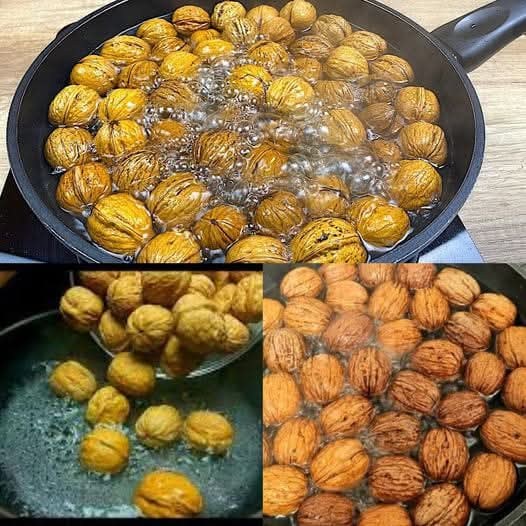
Boiled walnuts are a simple yet highly effective way to soften the tough shells of whole walnuts, making them significantly easier to crack open and enjoy. This traditional preparation method is ideal for walnut lovers who often find shelling fresh walnuts challenging and time-consuming. Whether you’re preparing walnuts for snacking or using them as an ingredient in your favorite recipes, boiling them offers a quick, practical technique that improves both texture and flavor.
This boiled walnuts recipe requires only a few basic ingredients and about 20 minutes from start to finish, including preparation and cooking time. It’s perfect for home cooks looking for an easy, no-fuss method to enhance walnut texture without complicated steps or special equipment. The process helps mellow any bitterness naturally present in raw walnuts, resulting in a more pleasant eating experience.
Why you’ll love this boiled walnuts recipe
- Softens walnut shells, making them easier to crack and reducing nut waste often caused by difficult shelling.
- Helps mellow the natural bitterness sometimes found in raw walnuts, improving overall flavor.
- Uses simple, common ingredients that you likely already have at home, requiring no specialty items.
- Quick and easy to prepare, requiring just about 20 minutes total, saving you time in the kitchen.
- Versatile preparation that can be used as a snack or a base for other walnut recipes, such as baking or salads.
Ingredients
- 500 g whole walnuts in shell
- 2 liters water
- 1 tablespoon salt (optional)
This recipe relies on whole walnuts still in their shells, fresh clean water, and optional salt to enhance the flavor subtly. When selecting walnuts, look for ones that feel firm and heavy for their size, indicating freshness and good quality. Avoid walnuts with cracked shells or any signs of mold or shriveling. Using fresh water ensures the best boiling results and prevents off-flavors. Salt is optional and can be adjusted to your taste preference; it gently seasons the nuts during boiling but can be omitted for pure walnut flavor.
Instructions
- Rinse the walnuts: Thoroughly wash the whole walnuts under running water to remove any dirt, dust, or debris from their shells. This step ensures cleanliness and prevents grit in the final product.
- Boil the water: Pour 2 liters of water into a wide pot and bring it to a rolling boil. Add 1 tablespoon of salt if you prefer a slightly seasoned nut, which enhances flavor during cooking.
- Add the walnuts: Carefully place the rinsed walnuts into the boiling water. Stir once or twice during cooking to ensure even heating and prevent any walnuts from sticking to the pot bottom.
- Boil the walnuts: Let them cook for 10 to 15 minutes until the shells soften slightly. This timing is crucial to soften the shells without overcooking the nutmeat inside.
- Drain and cool: Remove the walnuts from the boiling water using a slotted spoon or drain the pot. Allow them to cool just enough so they can be handled safely without burning your fingers.
- Serve or store: Serve the walnuts warm for easy cracking and eating, or use this boiling step as a preparation method before shelling them for other recipes, saving time and effort later.
Tips for the best results
- Use a wide pot: A wider pot allows the walnuts to spread out evenly, ensuring uniform cooking and preventing overcrowding that can lead to uneven softening.
- Do not overboil: Boiling walnuts for more than 15 minutes can cause the nut inside to become waterlogged and lose its texture. Keep the timing precise for optimal shell softening without compromising nut quality.
- Stir walnuts gently during boiling: Stirring prevents walnuts from sticking to the pot bottom and promotes even exposure to boiling water, which softens shells consistently.
- Cool walnuts slightly before handling: Allowing walnuts to cool briefly prevents burns and makes the shells easier to crack as the nuts firm up slightly after boiling.
- Omit salt for salt-free nuts: If you prefer to keep the natural walnut flavor pure or need to avoid sodium, simply skip the salt in the boiling water; the softening effect remains the same.
- Store boiled walnuts properly: Keep boiled walnuts in a cool, dry place or refrigerated if not eating immediately to maintain freshness and prevent mold or spoilage.
Variations and substitutions
- Add aromatic herbs or spices like cinnamon sticks, star anise, or cloves to the boiling water for subtle infused flavors that complement the nuttiness.
- Use sea salt, Himalayan salt, or flavored salts instead of regular table salt to add a gourmet touch and nuanced seasoning.
- Try boiling other nuts such as pecans, hazelnuts, or almonds to achieve a similar softening effect for easier shelling.
- For a sweeter option, add a splash of honey or maple syrup to the boiling water after cooking to lightly coat the walnuts and add sweetness.
- After boiling, roast the walnuts lightly in the oven to add crunch and deepen flavor complexity, balancing softness with a toasty finish.
Serving suggestions
Boiled walnuts can be served warm as a delightful snack by cracking open the softened shells and enjoying the nut inside. Their tender shells make them perfect for casual gatherings or as a nutritious nibble alongside cheese and fruit platters. They also work wonderfully as a prep step before incorporating walnuts into baking recipes, salads, or sauces. The softened shells save time and effort during shelling, making walnuts more accessible for everyday cooking and entertaining.
Storage and reheating
Store boiled walnuts in an airtight container at room temperature for up to one week to maintain their freshness and texture. For longer storage, refrigerate them where they can remain fresh for up to two weeks. When reheating, warm them gently in a microwave for about 15 to 20 seconds or briefly in a low oven (around 150°C or 300°F) to avoid drying out the nuts. Proper storage and reheating help preserve flavor and prevent the nuts from becoming stale or rubbery.
Frequently asked questions
Do boiled walnuts taste different from raw walnuts?
Yes, boiling walnuts softens their shells and slightly mellows their natural bitterness, resulting in a milder, less astringent flavor compared to raw walnuts. The nutmeat inside retains most of its original texture but may feel a bit moister due to the boiling process. This gentle flavor change makes boiled walnuts more palatable for those sensitive to raw walnut bitterness.
Can I boil walnuts without salt?
Absolutely. Salt is optional in this recipe and serves only to add subtle seasoning during boiling. Boiling walnuts in plain water effectively softens the shells without altering the nut’s natural flavor, making it an excellent choice for those avoiding sodium or preferring an unseasoned nut.
How long do boiled walnuts stay fresh?
When stored properly in an airtight container at room temperature, boiled walnuts stay fresh for about a week. Refrigeration can extend their freshness to two weeks or slightly longer. It’s important to avoid moisture exposure during storage, as excess humidity can lead to mold or spoilage. Always check for off smells or discoloration before consuming stored walnuts.
Is boiling walnuts the same as roasting?
No, boiling and roasting are different preparation methods with distinct effects. Boiling involves cooking the nuts in water to soften the shells, making them easier to crack. Roasting dries and crisps the nuts, enhancing flavor through caramelization and adding crunch. Boiled walnuts are softer and easier to shell, while roasted walnuts have a crunchy texture and intensified nutty aroma.
Can I use boiled walnuts in baking?
Yes, boiling walnuts before shelling can make the process easier and reduce bitterness, which benefits baked goods by providing a milder, more consistent walnut flavor. After boiling and shelling, you can chop and use the walnuts in cookies, cakes, breads, or other recipes just as you would with raw or roasted nuts. This method saves time and effort, especially when working with large quantities.
Final thoughts
Boiled walnuts offer a simple, effective way to soften tough shells and enjoy fresh walnuts with far less effort. This easy recipe is perfect for anyone looking to enhance their nut-eating experience using minimal ingredients and time. Whether you’re snacking, cooking, or baking, boiling walnuts can improve texture and flavor while making shelling much easier. Give boiled walnuts a try today and discover how this classic preparation can elevate your snacks and recipes.