
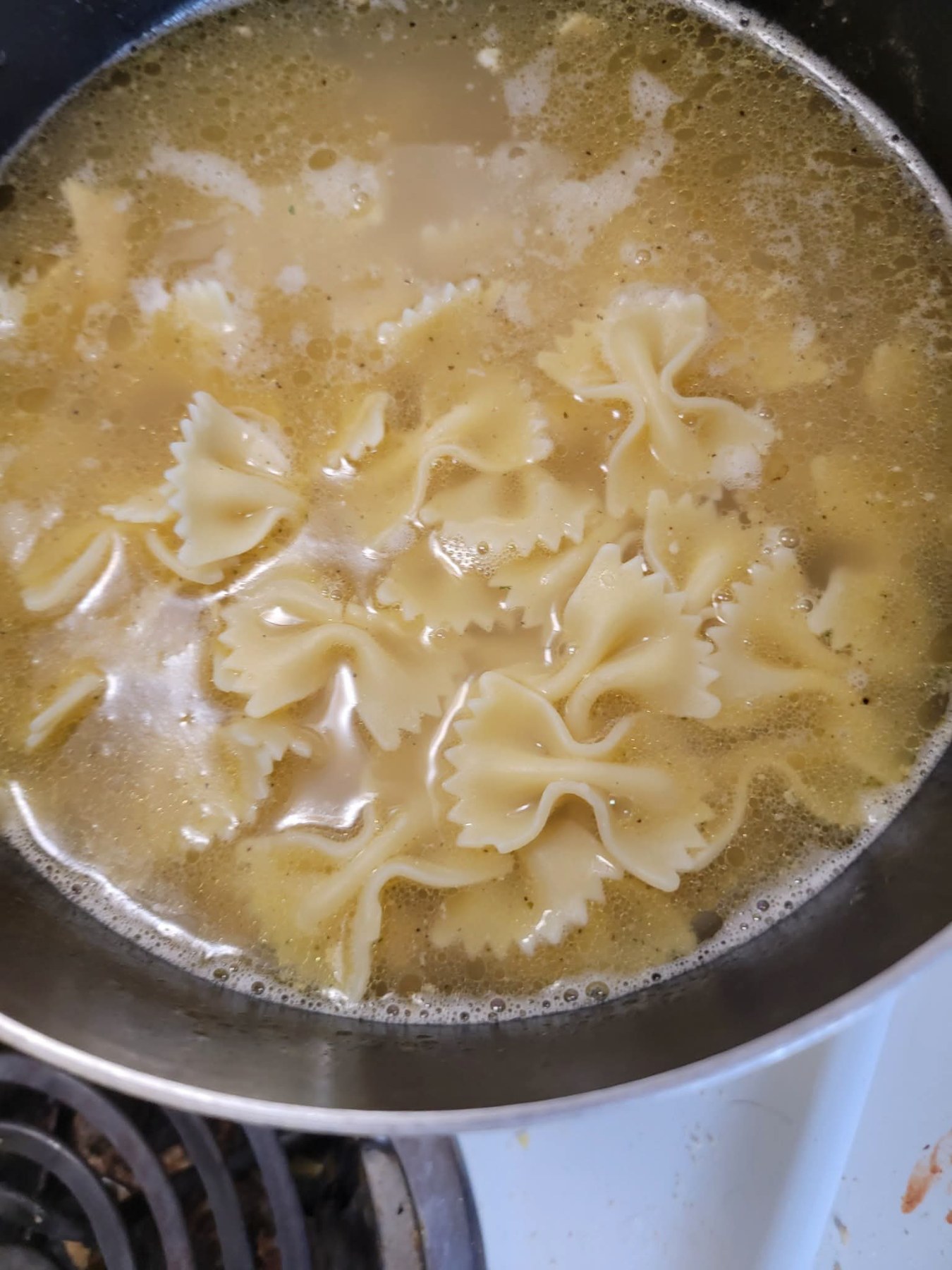
Bowtie pasta boiling is a fundamental cooking skill that every home cook should master. This delightful pasta, also known as farfalle, is not only visually appealing but also versatile, making it perfect for a variety of dishes. Whether you’re preparing a classic pasta salad, a creamy Alfredo, or simply serving it with a drizzle of olive oil, knowing how to cook bowtie pasta correctly ensures that you achieve the perfect texture and flavor.
This guide to boiling bowtie pasta is designed for anyone looking to elevate their pasta cooking game. With just a few simple steps and a couple of ingredients, you can create a delicious base for countless meals. This method is straightforward enough for beginners yet effective for seasoned cooks looking to refine their technique. Let’s dive into the essentials of boiling bowtie pasta.
Why you’ll love this Bowtie Pasta Boiling Guide
- Bowtie pasta’s unique shape holds onto sauces beautifully, enhancing the overall dish and providing a delightful eating experience.
- This boiling technique ensures your pasta is cooked to the perfect al dente texture, giving it a satisfying bite that complements various sauces.
- It’s a quick and simple method that can be completed in under 15 minutes, making it ideal for weeknight dinners when time is of the essence.
- Boiling bowtie pasta allows for endless variations and pairings, from salads to hearty meals, so you can always keep things interesting in the kitchen.
- Mastering this basic skill opens the door to countless delicious pasta recipes, giving you the confidence to experiment with different ingredients and flavors.
Ingredients
- Bowtie pasta – 8 ounces
- Water – 4 quarts
- Salt – 1 tablespoon
The key ingredients in this recipe are simple but essential for achieving the best flavor and texture. When selecting bowtie pasta, look for high-quality brands that use durum wheat semolina for the best results. The water should be at a rolling boil to ensure the pasta cooks evenly, and the salt enhances the pasta’s natural flavor, making each bite delicious.
Instructions
- Boil water: In a large pot, bring 4 quarts of water to a rolling boil over high heat. Using a large pot allows the pasta to move freely and cook evenly.
- Add salt: Once the water is boiling, add 1 tablespoon of salt. This enhances the flavor of the pasta and is crucial for seasoning it as it cooks.
- Add pasta: Carefully add 8 ounces of bowtie pasta to the boiling water, stirring gently to prevent sticking. Stirring right after adding the pasta helps keep it from clumping together.
- Cook pasta: Allow the pasta to cook for about 8-12 minutes, stirring occasionally, until it reaches your desired level of tenderness. Check the package instructions for specific timing, as cooking times can vary.
- Test for doneness: Taste a piece of pasta to ensure it is cooked al dente—firm to the bite but not hard. This texture is preferred as it holds up better in dishes.
- Drain pasta: Once cooked, pour the pasta into a colander to drain the water, but do not rinse unless using for a cold dish. Rinsing removes the starch that helps sauces adhere.
- Serve: Toss the pasta with your favorite sauce or ingredients and enjoy immediately. The warmth of the pasta will help meld the flavors together.
Tips for the best results
- Use a large pot to give the pasta plenty of room to cook evenly. This prevents sticking and ensures an even texture throughout.
- Always salt the water before adding pasta to enhance flavor. This is the only chance to season the pasta itself.
- Stir the pasta occasionally while cooking to prevent it from clumping together. This is especially important for shapes like bowtie pasta, which can stick to each other.
- Start checking for doneness a couple of minutes before the package suggests to avoid overcooking. This way, you can achieve the perfect al dente texture.
- Do not rinse the pasta unless making a cold pasta salad; this washes away flavor and starch that helps sauces cling to the pasta.
- Reserve a cup of pasta water before draining; it can be used to adjust the consistency of your sauce. The starchy water helps sauces adhere better.
Variations and substitutions
- Try adding olive oil to the boiling water for a subtle flavor enhancement. However, be cautious as it may prevent sauces from sticking.
- For added nutrition, incorporate vegetables or protein during the last few minutes of cooking. This can include peas, spinach, or diced chicken.
- Substitute bowtie pasta with other shapes like penne or fusilli for different textures. Each shape holds sauces differently, creating unique dishes.
- Use low-sodium salt or herbs for flavoring if you are watching your sodium intake. This allows you to control the flavor without adding excess salt.
- Experiment with flavored pasta, such as spinach or tomato, for an extra twist. These add color and nutritional benefits.
Serving suggestions
Bowtie pasta is incredibly versatile. Serve it with a classic marinara sauce for a simple meal, or toss it with sautéed vegetables and a light garlic sauce for a healthy option. For a creamy dish, mix with Alfredo sauce and grilled chicken. It also works well in cold pasta salads, combined with fresh veggies and a vinaigrette. The possibilities are endless! Consider adding grated cheese, fresh herbs, or a squeeze of lemon to elevate the dish further.
Storage and reheating
Store any leftover cooked bowtie pasta in an airtight container in the refrigerator for up to 3 days. To reheat, place it in a pot with a splash of water over low heat, or microwave it with a damp paper towel to retain moisture. If using it in a pasta salad, it can be served cold straight from the fridge. For best results, avoid reheating more than once to maintain texture and flavor.
Frequently asked questions
How long should I boil bowtie pasta?
The recommended cooking time for bowtie pasta is between 8-12 minutes, depending on your desired level of doneness. Always check the package instructions for specific timings as they can vary by brand. For a firmer texture, aim for the lower end of the time range.
Can I add oil to the boiling water?
While it’s not necessary to add oil to boiling water, some cooks do to prevent sticking. However, it can also prevent sauces from adhering to the pasta, so it’s generally best to skip this step. If you find your pasta sticking, focus more on stirring and using enough water.
What is al dente pasta?
Al dente pasta is cooked until it is firm to the bite, rather than soft. This texture is preferred as it holds up better in dishes and offers a more satisfying chew. It’s also thought to be more flavorful as it retains more of its natural pasta taste.
Should I rinse bowtie pasta after cooking?
It is not advisable to rinse bowtie pasta after cooking unless you are making a cold pasta dish. Rinsing removes the starch that helps sauces cling to the pasta, making your dish less flavorful. Instead, simply drain and toss with your sauce immediately.
How can I prevent pasta from sticking together?
To prevent sticking, use a large pot with plenty of water, stir occasionally during cooking, and ensure the water is at a rolling boil when you add the pasta. This helps the pasta cook evenly and prevents it from clumping together.
Final thoughts
Now that you know how to boil bowtie pasta perfectly, it’s time to get cooking! This skill will not only enhance your pasta dishes but also give you the confidence to create a variety of meals. Enjoy trying different sauces and ingredients to make each dish uniquely yours. Remember, practice makes perfect, so don’t hesitate to experiment and find your favorite combinations. Happy cooking!