
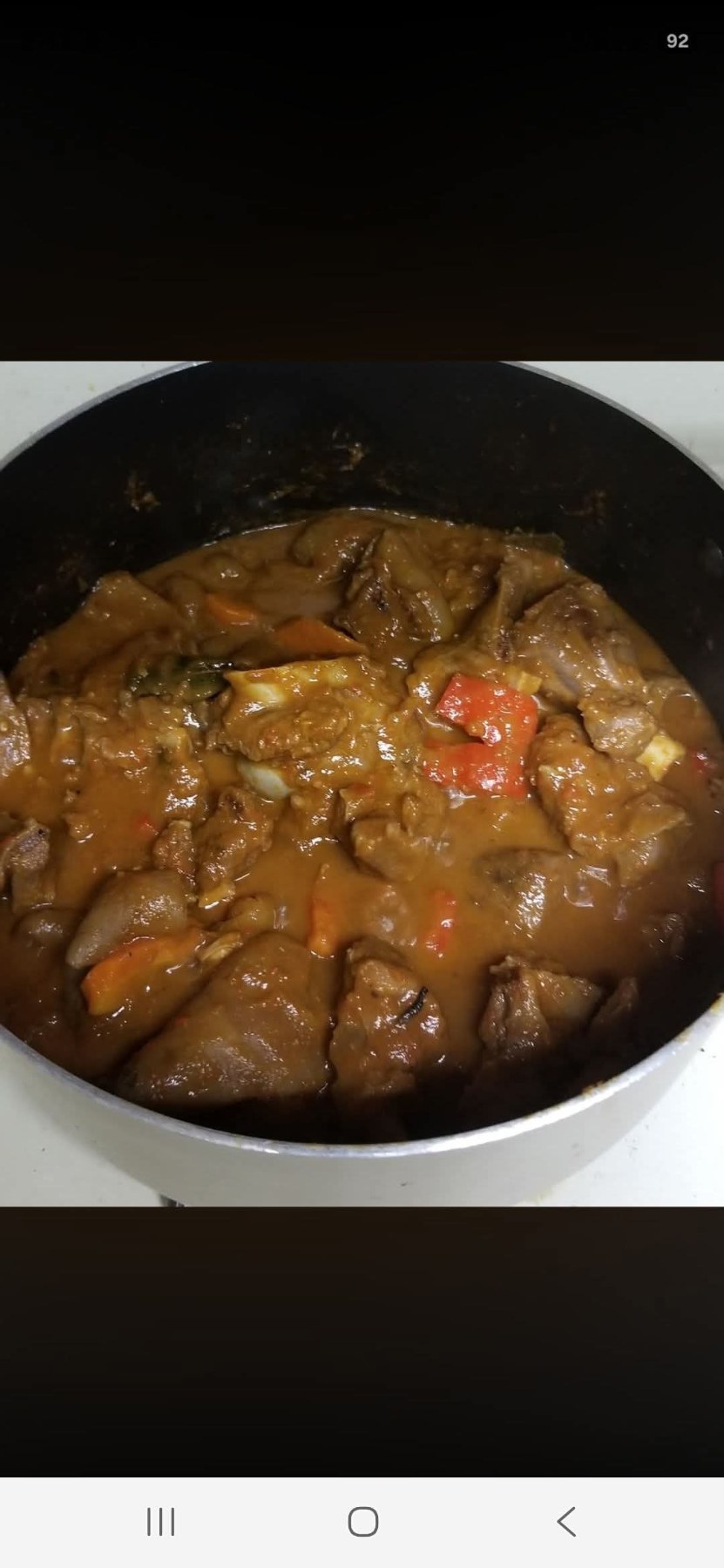
Braised Pig’s Feet Stew is a hearty and flavorful dish that brings out the best in slow-cooked pork. This stew is perfect for anyone who enjoys rich, comforting meals with tender meat and a deeply savory sauce. The long cooking process transforms pig’s feet into a melt-in-your-mouth delicacy, making it ideal for family dinners or special occasions.
This recipe combines aromatic vegetables, spices, and a savory brown gravy to complement the natural gelatinous texture of pig’s feet. Whether you’re a seasoned cook or new to braising, this recipe offers a straightforward approach to creating a delicious stew that highlights traditional flavors.
Why you’ll love this Braised Pig’s Feet Stew
- The slow braising method results in tender, flavorful meat that falls off the bone.
- Rich, savory gravy thickened naturally for an indulgent dining experience.
- Incorporates simple, widely available ingredients for easy preparation.
- Balanced blend of spices and vegetables enhances the stew’s depth and aroma.
- Perfect for warming up during cooler months or whenever comfort food is desired.
Ingredients
- 3 lb pig’s feet, cleaned and chopped
- 2 tbsp vegetable oil
- 1 large onion, chopped
- 4 garlic cloves, minced
- 1 inch ginger, minced (optional)
- 2 carrots, cut in chunks
- 1 red bell pepper, chopped
- 2 scallions, sliced
- 2 tbsp tomato paste
- 2 tbsp soy sauce
- 1 tbsp Worcestershire sauce
- 1 tsp paprika
- 1/2 tsp black pepper
- 1 tsp dried thyme
- 1 bay leaf
- 4 cups beef or chicken stock
- 1 tbsp browning sauce or 1 tsp kitchen bouquet (optional)
- 1-2 tsp salt, to taste
- 1 tbsp cornstarch mixed with 2 tbsp water (optional, for thickening)
This recipe serves 4 to 6 people and requires about 20 minutes of preparation time and approximately 2 hours and 45 minutes of cooking time. The key ingredients are pig’s feet, which provide a rich gelatinous texture when slow cooked. Choosing fresh, well-cleaned pig’s feet is essential. The vegetables and spices add layers of flavor, while soy sauce and Worcestershire sauce contribute umami depth. Using beef or chicken stock creates a robust base for the stew. Optional ingredients like ginger and browning sauce enhance the aroma and color, but can be omitted if preferred.
Instructions
- Prepare the pig’s feet: Rinse and scrub the pig’s feet thoroughly to ensure they are clean. Pat them dry with paper towels for better browning.
- Brown the pig’s feet: Heat vegetable oil in a heavy pot over medium-high heat. Brown the pig’s feet pieces on several sides until they develop a rich golden crust. Remove from the pot and set aside.
- Sauté aromatics: In the same pot, add chopped onion, minced garlic, and ginger if using. Cook until the onion softens and becomes translucent, stirring frequently to prevent burning.
- Add tomato paste and spices: Stir in the tomato paste and cook for about 1 minute to remove its raw taste. Then add soy sauce, Worcestershire sauce, paprika, black pepper, dried thyme, and browning sauce if using. Mix well to combine flavors.
- Simmer the stew: Return the browned pig’s feet to the pot. Pour in the beef or chicken stock and add the bay leaf. Bring the mixture to a gentle simmer, then cover the pot and reduce heat to low. Cook for 2 to 2 1/2 hours, until the skin and connective tissue become tender and gelatinous.
- Add vegetables: About 30 to 40 minutes before the end of cooking, add the chunked carrots and chopped red bell pepper. This timing allows them to cook through but retain some firmness.
- Reduce the sauce: Uncover the pot and let the stew simmer gently to thicken the sauce if needed. Taste and adjust salt seasoning according to preference.
- Thicken the gravy (optional): For a thicker consistency, stir in the cornstarch slurry (cornstarch mixed with water) and simmer for 2 to 3 minutes until the sauce has thickened nicely.
- Finish and serve: Stir in the sliced scallions just before serving to add a fresh, mild onion flavor. Serve the stew hot for the best taste and texture.
Tips for the best results
- Ensure the pig’s feet are thoroughly cleaned to avoid any unwanted odors or impurities.
- Browning the pig’s feet well adds depth and richness to the stew’s flavor.
- Maintain a low simmer during cooking to keep the meat tender and prevent toughening.
- Add vegetables late in the cooking process to preserve their texture and color.
- Adjust seasoning gradually, especially salt, as flavors concentrate during braising.
- Use a heavy-bottomed pot for even heat distribution and to avoid burning the ingredients.
Variations and substitutions
- Swap pig’s feet with pork hocks or trotters for a similar gelatinous texture and flavor.
- Use vegetable stock to make a lighter, meat-free broth base if desired.
- Add additional root vegetables like potatoes or parsnips for more hearty elements.
- Incorporate chili flakes or fresh chilies to introduce a spicy kick.
- Replace Worcestershire sauce with fish sauce for a different umami profile typical in Southeast Asian cuisine.
Serving suggestions
This Braised Pig’s Feet Stew pairs beautifully with steamed white rice or creamy mashed potatoes, which soak up the rich gravy. A side of sautéed greens or a simple green salad adds freshness and balances the hearty flavors. For a rustic touch, serve with crusty bread to mop up every bit of the savory sauce. This dish is ideal for a cozy family dinner or for entertaining guests who appreciate traditional comfort food.
Storage and reheating
Store leftovers in an airtight container in the refrigerator for up to 3 days. The flavors often deepen overnight, making reheated stew even more delicious. To reheat, warm gently on the stovetop over low heat, stirring occasionally to prevent sticking. You can also microwave portions in short bursts, stirring between intervals. If the sauce thickens too much during storage, add a splash of stock or water to loosen it while reheating.
Frequently asked questions
What do pig’s feet taste like in a stew?
Pig’s feet have a rich, gelatinous texture with a mild pork flavor. When slow-cooked in a stew, the connective tissues break down, creating a tender, flavorful meat with a luscious, thick sauce that is both hearty and comforting.
Do I need to clean pig’s feet before cooking?
Yes, it’s important to rinse and scrub pig’s feet thoroughly to remove any dirt or impurities. Cleaning helps eliminate odors and ensures the stew tastes fresh and clean. Some cooks also blanch them briefly before braising for extra cleanliness.
Can I make this stew without soy sauce?
While soy sauce adds umami and saltiness, you can substitute it with tamari for a gluten-free option or use extra Worcestershire sauce and salt. The stew will still be delicious but may have a slightly different flavor profile.
How long should I cook pig’s feet for tender results?
Cooking pig’s feet for 2 to 2 1/2 hours on low heat is ideal for tender, gelatinous results. This slow braising breaks down collagen and connective tissues, making the meat soft and flavorful without becoming tough.
Is it necessary to thicken the stew with cornstarch?
Thickening with cornstarch is optional and depends on your preferred sauce consistency. If you like a thicker gravy, adding a cornstarch slurry near the end of cooking helps achieve that. Otherwise, simmering uncovered can naturally reduce and thicken the sauce.
Final thoughts
Braised Pig’s Feet Stew is a rewarding dish that transforms humble ingredients into a rich, comforting meal. With tender meat, flavorful vegetables, and a savory brown gravy, it’s sure to become a favorite for cooler days and family gatherings. Give this recipe a try and enjoy the deep, satisfying flavors it brings to your table.