
Introduction
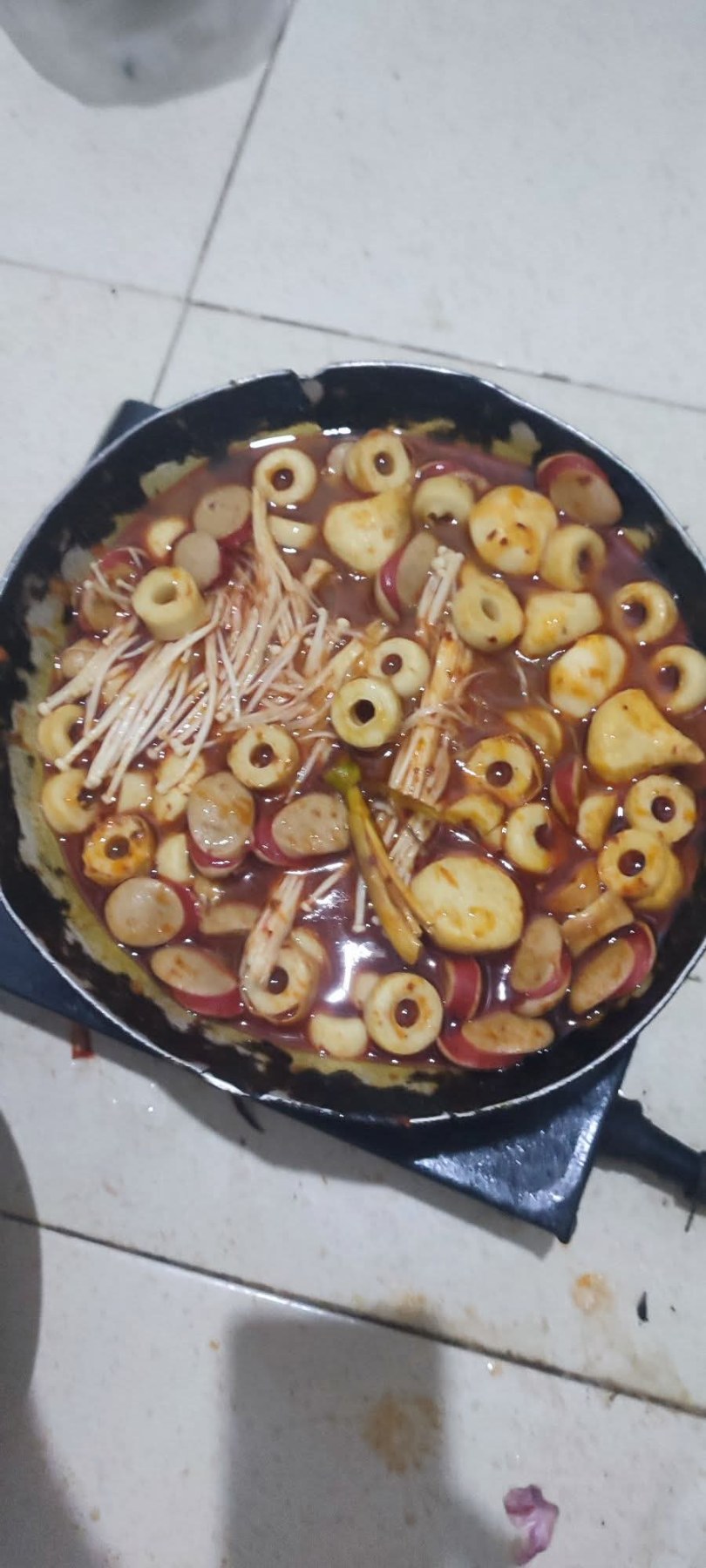
Budae Jjigae, also known as Korean Army Stew, is a hearty and spicy hot pot that combines a variety of ingredients like sausages, fish cakes, and rice cakes in a rich gochujang-based broth. This dish originated during post-war Korea, creatively mixing surplus processed foods with traditional Korean flavors, resulting in a comforting stew perfect for sharing.
Ideal for those who love bold, spicy flavors and communal dining, Budae Jjigae cooks quickly in about 30 minutes, making it a convenient weeknight meal. Its combination of textures and umami-rich broth makes it a favorite for anyone craving a warm, satisfying stew with a Korean twist.
Why you’ll love this Budae Jjigae recipe
- This recipe offers a perfectly balanced spicy and savory broth using gochujang and gochugaru for authentic Korean flavor.
- It’s a versatile hot pot that combines various proteins and vegetables, delivering a rich and satisfying meal in one pot.
- The quick 15-minute prep and 15-minute cook time make it an ideal choice for busy cooks craving comfort food.
- Including ingredients like rice cakes and enoki mushrooms adds delightful textures that enhance every bite.
- The recipe is easily customizable with optional instant noodles or glass noodles for extra heartiness.
Ingredients
- 300 g mixed sausages or hot dogs, sliced
- 200 g fish cake or chikuwa, sliced into rings
- 200 g Korean rice cakes (tteok) or firm fish tofu pieces
- 100 g enoki mushrooms, trimmed
- 1 green chili, slit
- 1/2 small onion, sliced
- 2 cloves garlic, minced
- 3 cups chicken or anchovy stock
- 2 tablespoons gochujang
- 1 tablespoon gochugaru
- 1 tablespoon soy sauce
- 1 teaspoon sugar
- 1 teaspoon kimchi juice or rice vinegar
- 1 teaspoon sesame oil
- 2 scallions, sliced
- Optional: 1 pack instant ramen or glass noodles
This recipe serves 3 to 4 people and requires about 15 minutes of preparation and 15 minutes of cooking time. The key ingredients include spicy gochujang and gochugaru which provide the characteristic Korean heat and depth. Sausages and fish cakes contribute savory protein, while rice cakes add a chewy texture. For the broth, chicken or anchovy stock offers a flavorful base. When selecting ingredients, choose fresh enoki mushrooms and high-quality rice cakes for the best texture, and use authentic Korean chili pastes for an authentic taste.
Instructions
- Prepare the broth: In a shallow pot or wide pan, combine the chicken or anchovy stock with gochujang, gochugaru, soy sauce, sugar, minced garlic, and sesame oil. Stir well to dissolve the chili pastes and evenly mix the flavors.
- Add the main ingredients: Place the sliced onion, sausages, fish cake rings, and rice cakes or fish tofu pieces into the pot. Bring the mixture to a simmer over medium heat, allowing the flavors to meld.
- Simmer until tender: Cook for 6 to 8 minutes, stirring occasionally, until the broth becomes flavorful and the rice cakes soften to a pleasant chewiness.
- Add mushrooms and chili: Introduce the trimmed enoki mushrooms and slit green chili to the stew. If you are using instant ramen or glass noodles, add them now, and continue simmering until the noodles are cooked through.
- Adjust seasoning and finish: Taste the stew and adjust seasoning with a little more soy sauce or sugar if desired. Scatter the sliced scallions on top and serve the stew hot directly from the pot.
Tips for the best results
- Use freshly prepared or thawed rice cakes for the best chewy texture; soak frozen rice cakes in warm water beforehand if needed.
- Maintain a gentle simmer to prevent the broth from boiling too vigorously, which can toughen the sausages and overcook the mushrooms.
- Adjust the spiciness by varying the amount of gochujang and gochugaru according to your heat preference.
- Adding kimchi juice or rice vinegar adds a subtle tang that brightens the stew’s rich flavors.
- For a richer broth, substitute chicken stock with anchovy stock or a combination of both for deeper umami.
- Serve the stew immediately once noodles are cooked to avoid sogginess and to enjoy the best texture.
Variations and substitutions
- Replace mixed sausages with sliced Spam or ham for a classic Korean army stew touch.
- Use tofu cubes instead of fish tofu for a vegetarian-friendly protein option.
- Swap enoki mushrooms with shiitake or oyster mushrooms for a different earthy flavor.
- Substitute rice cakes with sliced potatoes or sweet potatoes for a twist on texture.
- Try adding kimchi directly to the stew for extra spice and fermented depth.
Serving suggestions
Budae Jjigae is best served hot and fresh, accompanied by steamed white rice to balance the spicy broth. You can also offer a side of kimchi and pickled vegetables for added contrast. For a complete meal, include some simple banchan such as seasoned spinach or bean sprouts. Sharing this stew straight from the pot encourages a communal dining experience, perfect for family or friends.
Storage and reheating
Store any leftovers in an airtight container in the refrigerator for up to 2 days. When reheating, gently warm the stew on the stove over low heat to prevent the rice cakes from becoming too soft or mushy. You may want to add a splash of water or stock to loosen the broth as it thickens upon standing. Reheat only the portion you plan to consume to maintain the best texture.
Frequently asked questions
What is Budae Jjigae?
Budae Jjigae, or Korean Army Stew, is a spicy hot pot that originated after the Korean War, combining processed meats like sausages and ham with traditional Korean ingredients such as kimchi, rice cakes, and chili paste. It’s known for its bold flavors and communal style of eating.
Can I make Budae Jjigae vegetarian?
Yes, you can make a vegetarian version by substituting the sausages and fish cakes with tofu or mushrooms and using vegetable stock instead of chicken or anchovy broth. Adding extra vegetables enhances flavor and texture.
What type of noodles work best in Budae Jjigae?
Instant ramen noodles are commonly used, but glass noodles or udon can also be added depending on your preference. Add noodles towards the end of cooking to prevent overcooking and maintain their texture.
How spicy is Budae Jjigae?
The spiciness depends on the amount of gochujang and gochugaru used. The recipe provides a moderately spicy stew, but you can adjust the chili paste quantities to suit your heat tolerance, making it milder or hotter.
Can I prepare Budae Jjigae in advance?
While you can prep ingredients ahead of time, it’s best to assemble and cook the stew just before serving to preserve the texture of rice cakes and freshness of mushrooms. Reheating may soften some ingredients.
Final thoughts
Budae Jjigae is a flavorful, easy-to-make Korean stew that brings together a variety of ingredients in a spicy, comforting broth. Its quick preparation and flexible ingredients make it a great option for sharing with family or friends. Give this recipe a try to enjoy a taste of Korea’s unique culinary history right at your dining table.