
Introduction
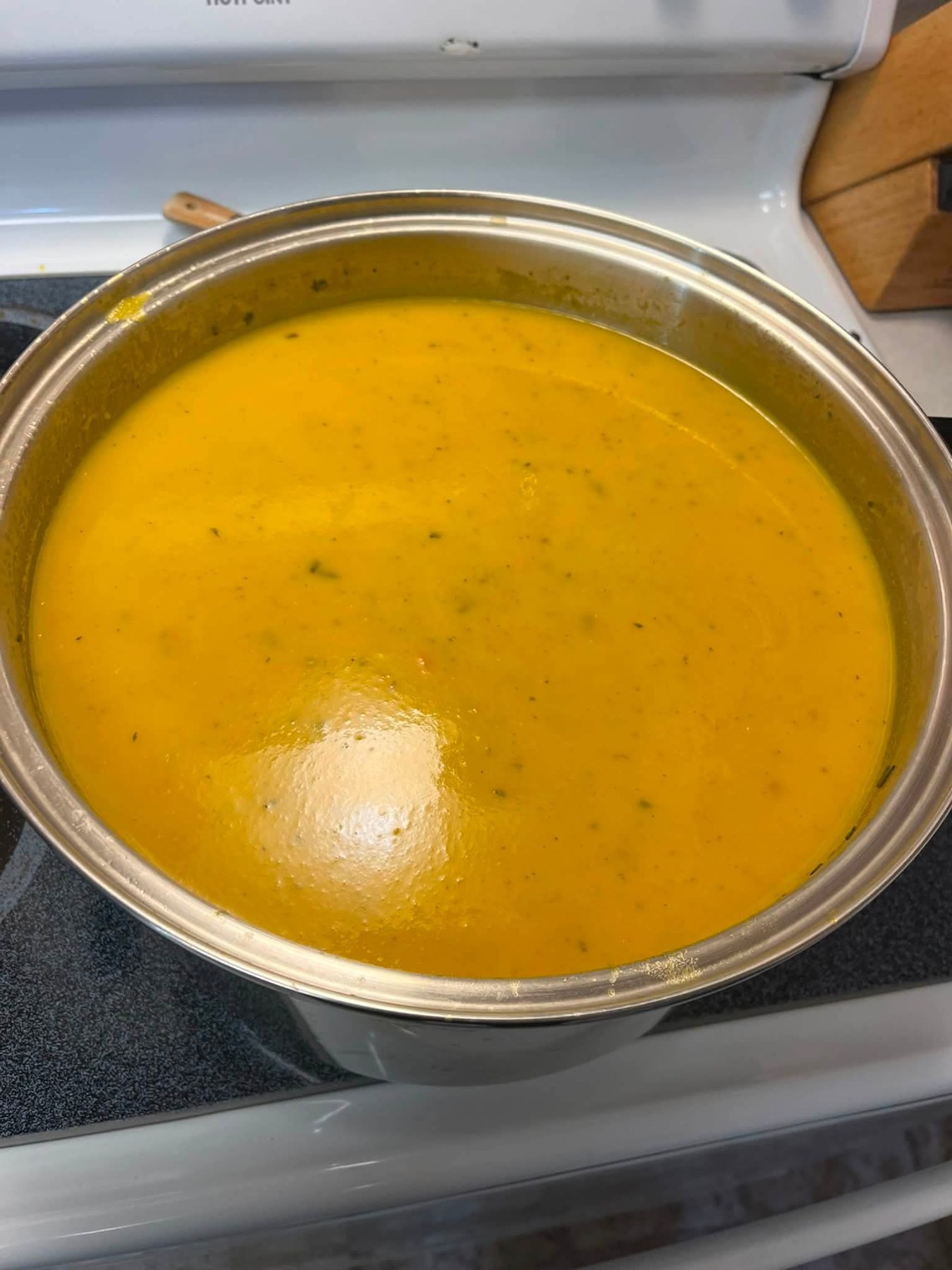
Butternut Squash Soup is a timeless, velvety dish that offers both comfort and nourishment in every spoonful. This easy recipe highlights the natural sweetness of butternut squash combined with fragrant herbs and rich cream, creating a harmonious blend that warms the soul. Whether you’re preparing a cozy dinner on a chilly evening or serving guests at a casual gathering, this soup brings a satisfying touch to any table.
With just 20 minutes of prep time and about 30 minutes of cooking, this soup comes together swiftly, making it accessible for cooks of all skill levels. It yields approximately six generous servings, ideal for families or small groups. The straightforward technique and wholesome ingredients ensure that even beginners can achieve a smooth, flavorful soup that tastes like it took hours to make.
Why you’ll love this Butternut Squash Soup
- This soup boasts a naturally sweet and creamy profile without heavy seasoning, making it appealing to a wide range of taste preferences.
- It relies on simple, wholesome ingredients that are easy to source from most grocery stores, keeping your shopping list straightforward.
- The recipe is efficient, requiring less than an hour from start to finish, perfect for busy weeknights or last-minute meals.
- Its silky texture and warming spices provide a comforting experience, especially suited for cold weather or whenever you crave a cozy meal.
- Flexibility in flavoring allows you to customize it with optional ingredients like maple syrup or cayenne pepper to suit your personal taste.
Ingredients
- 2 tbsp butter or olive oil
- 1 medium onion, chopped
- 2 cloves garlic, minced
- 1 large butternut squash, peeled, seeded, and cubed (about 3 lb / 1.4 kg)
- 1 medium carrot, chopped
- 4 cups chicken or vegetable broth
- 1/2 tsp dried thyme or 1 tsp fresh thyme
- 1/4 tsp ground nutmeg
- 1/2 cup heavy cream
- 1 tsp salt, plus more to taste
- 1/2 tsp black pepper
- Optional: 1 tbsp maple syrup or a pinch of cayenne
This recipe yields about 6 servings and requires 20 minutes of prep time and 30 minutes of cooking time. The key ingredients are the butternut squash, which provides a naturally sweet and creamy base, and the broth that adds depth of flavor. When selecting your butternut squash, choose one that feels heavy for its size with smooth, matte skin free of blemishes; this indicates freshness and sweetness. Fresh garlic and thyme bring vibrant aroma and complexity, while the heavy cream enriches the soup’s texture, lending a luscious mouthfeel without overpowering the natural flavors.
Instructions
- Heat the fat: Place the butter or olive oil in a large pot over medium heat. Add the chopped onion and cook until softened and translucent, about 5 minutes.
- Add garlic and carrot: Stir in the minced garlic and chopped carrot, cooking for an additional 1 minute to release their flavors.
- Add squash and seasonings: Incorporate the cubed butternut squash, broth, thyme, nutmeg, salt, and pepper. Bring the mixture to a boil.
- Simmer until tender: Reduce heat to low, cover the pot, and let the soup simmer until the squash is very tender, approximately 20 to 25 minutes.
- Puree the soup: Use an immersion blender to blend the soup directly in the pot until completely smooth. Alternatively, carefully transfer the soup in batches to a blender and puree until creamy.
- Finish with cream: Stir in the heavy cream and simmer gently for 2 to 3 minutes. Taste and adjust seasoning with additional salt or pepper as needed.
- Serve hot: Ladle the soup into bowls and garnish optionally with extra cream, cracked black pepper, or chopped fresh herbs.
Tips for the best results
- Use a sharp knife to peel and cube the butternut squash safely and evenly for uniform cooking. Uneven pieces can lead to inconsistent texture, with some cubes undercooked while others become mushy.
- Cook the onions slowly until translucent to develop a sweet, mellow base flavor. This gentle cooking helps to break down the onions’ natural sugars, enhancing the soup’s depth without bitterness.
- Puree the soup thoroughly for a silky, smooth texture without lumps. Using an immersion blender directly in the pot is convenient and reduces cleanup, but if using a countertop blender, blend in small batches for safety and even consistency.
- Adjust the consistency with extra broth if the soup is too thick after blending. Adding liquid gradually allows you to control the soup’s body, achieving a perfect balance between richness and pourability.
- Simmer gently after adding cream to avoid curdling or separating the dairy. High heat can cause cream to split, so keep the temperature low and stir gently to maintain a smooth texture.
- Try the optional maple syrup or cayenne to balance sweetness or add a subtle kick. Maple syrup complements the natural sugars in the squash, while cayenne introduces warmth without overpowering the dish.
Variations and substitutions
- Swap heavy cream for coconut milk to make the soup dairy-free with a subtle tropical note that pairs beautifully with the squash’s sweetness.
- Add a peeled apple along with the squash for extra sweetness and depth, introducing a gentle fruity undertone that complements the spices.
- Use sweet potatoes instead of butternut squash for a similar texture with a distinct, earthier flavor, offering a nice twist on the classic.
- Incorporate roasted garlic instead of raw garlic for a milder, sweeter taste that adds complexity without sharpness.
- Garnish with toasted pumpkin seeds or a drizzle of chili oil for texture and visual appeal, adding crunch or heat to elevate each bite.
Serving suggestions
Serve this butternut squash soup hot as a starter or a light main course. Its creamy richness pairs wonderfully with crusty artisan bread, perfect for dipping and soaking up every last drop. For a refreshing contrast, accompany the soup with a fresh green salad dressed lightly with lemon vinaigrette. To add protein and make the meal more substantial, serve alongside grilled chicken breast or a scoop of fluffy cooked quinoa. Garnishing with fresh herbs like parsley, chives, or even a sprinkle of toasted nuts adds brightness and texture, enhancing both flavor and presentation.
Storage and reheating
Store leftovers in an airtight container in the refrigerator for up to 3 days to maintain freshness and flavor. When reheating, warm the soup gently over medium-low heat, stirring occasionally to prevent it from sticking to the pan or scorching. For longer storage, this soup freezes well for up to 2 months. Transfer cooled soup into freezer-safe containers, leaving space for expansion. When ready to enjoy, thaw overnight in the refrigerator and reheat slowly on the stove, stirring to restore its creamy texture.
Frequently asked questions
Can I make butternut squash soup vegan?
Yes, you can easily make this soup vegan by substituting butter with olive oil and replacing the heavy cream with coconut milk or another plant-based cream alternative such as cashew cream. Be sure to use vegetable broth instead of chicken broth to keep the recipe fully plant-based. These swaps maintain the soup’s creamy texture and rich flavor while accommodating vegan diets.
How do I peel a butternut squash easily?
Peeling butternut squash can be challenging due to its tough skin. Use a sharp vegetable peeler or a sturdy chef’s knife to make the process safer and more efficient. Start by cutting off both ends to create stable surfaces. Then peel downward in long, even strokes. To soften the skin and make peeling easier, microwave the squash for 1-2 minutes before peeling, which loosens the skin without cooking the flesh.
Can I prepare this soup in advance?
Absolutely. Preparing butternut squash soup ahead of time is convenient and often enhances the flavor as the ingredients meld together overnight. Store the cooled soup in the refrigerator in an airtight container for up to three days. When ready to serve, reheat gently on the stovetop to preserve the creamy texture. If freezing, allow the soup to cool completely before transferring to freezer-safe containers; thaw overnight in the refrigerator before reheating.
What can I use instead of fresh thyme?
Dried thyme is a suitable and convenient substitute for fresh thyme and is included as an option in this recipe. If neither is available, consider using herbs like rosemary or sage, which offer different but complementary flavor profiles. Rosemary provides a pine-like aroma while sage adds earthiness; both work well with the natural sweetness of the squash.
Is it necessary to use an immersion blender?
While an immersion blender is highly convenient for pureeing soup directly in the pot, it is not strictly necessary. If you don’t have one, carefully transfer the soup in manageable batches to a countertop blender and puree until smooth. This method requires caution to avoid spills or burns. After blending, return the soup to the pot to finish cooking and adjust seasonings.
Final thoughts
Butternut Squash Soup is a wonderfully comforting dish that’s both simple to prepare and richly satisfying. Its creamy texture and delicate blend of spices make it a perfect choice for cozy meals throughout the year, especially during cooler seasons. The recipe’s flexibility allows you to tailor the flavors to your liking while relying on straightforward techniques and wholesome ingredients. Give this recipe a try and enjoy a delicious, warming bowl that’s sure to become a family favorite and a go-to comfort food.