
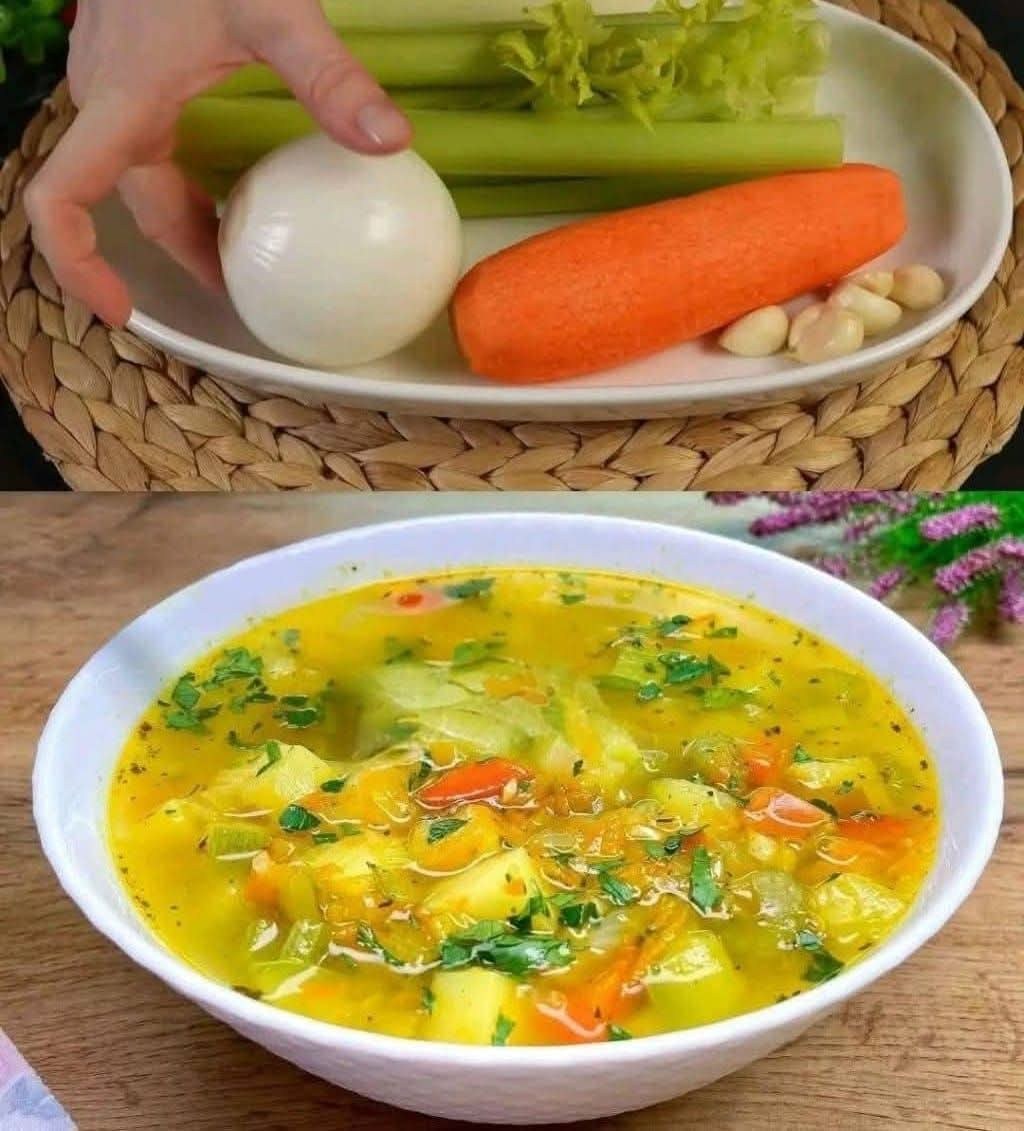
Cabbage Vegetable Soup is a wholesome, flavorful dish perfect for anyone seeking a nourishing and comforting meal. This easy soup combines fresh cabbage, potatoes, carrots, and aromatic herbs to create a satisfying bowl full of vibrant colors and textures. Whether you’re looking for a light lunch or a warming dinner, this recipe delivers both nutrition and taste in just under an hour.
Ideal for vegetarians, vegans, or anyone wanting to add more vegetables to their diet, this cabbage vegetable soup is simple to prepare and uses common pantry ingredients. The balanced blend of vegetables and herbs makes it a crowd-pleaser that’s perfect for colder days or anytime you crave a hearty, healthy soup that fills you up without heaviness.
Why you’ll love this Cabbage Vegetable Soup
- This soup is packed with nutrient-rich vegetables that support a balanced diet and provide essential vitamins and minerals.
- It’s incredibly easy and quick to prepare, requiring only about 50 minutes total, ideal for busy weeknights.
- The recipe is naturally vegan and gluten-free, suiting many dietary preferences and allergy needs.
- The mild seasoning allows the fresh flavors of cabbage and root vegetables to shine through without overpowering.
- It’s a budget-friendly meal that uses simple, accessible ingredients commonly found in most kitchens.
Ingredients
- 2 tablespoons olive oil
- 1 medium white onion, diced
- 3 garlic cloves, minced
- 4 celery stalks, sliced
- 2 medium carrots, sliced
- 3 medium potatoes, peeled and cubed
- 4 cups green cabbage, chopped
- 6 cups vegetable broth
- 1 teaspoon salt, or to taste
- 1/2 teaspoon black pepper
- 1 teaspoon dried oregano or Italian herbs
- 1/2 teaspoon turmeric or paprika for color (optional)
- 2 tablespoons chopped fresh parsley
This recipe yields 4 to 6 servings and requires about 15 minutes of prep time and 35 minutes of cooking time. The key ingredients such as fresh green cabbage, carrots, and potatoes are essential for texture and flavor. Choose firm, fresh vegetables with vibrant colors for the best taste and nutritional value. For example, select cabbage heads that feel heavy for their size with crisp leaves, carrots that are bright and firm without cracks, and potatoes without sprouts or soft spots. Using homemade or a high-quality vegetable broth enhances the soup’s depth and complexity, while fresh parsley added at the end brightens the final dish with a pop of herbal freshness.
Instructions
- Heat olive oil: Place a large pot over medium heat and warm the olive oil until shimmering, which usually takes about 1 to 2 minutes. This step prepares the base for sautéing the vegetables and helps release their flavors.
- Sauté vegetables: Add the diced onion, sliced celery, and carrots to the pot. Cook for 5 to 7 minutes, stirring occasionally, until the vegetables soften slightly and the onions turn translucent. This process develops the soup’s flavor foundation by gently caramelizing the natural sugars.
- Add garlic: Stir in the minced garlic and cook for 30 seconds until fragrant, being careful not to burn it as burnt garlic can add bitterness. Garlic adds a subtle aromatic note that complements the other vegetables.
- Add main ingredients: Incorporate the peeled and cubed potatoes, chopped cabbage, and vegetable broth into the pot. Season with salt, black pepper, and dried oregano or Italian herbs. Add turmeric or paprika if you want a warmer color and a hint of earthy or smoky flavor. Stir gently to combine all ingredients evenly.
- Bring to boil and simmer: Increase the heat to bring the soup to a boil. Once boiling, reduce heat to a gentle simmer to allow flavors to meld without breaking down the vegetables too quickly.
- Cook until tender: Let the soup simmer uncovered for 25 to 30 minutes, or until the potatoes and cabbage are tender when pierced with a fork. This slow simmering ensures the vegetables are cooked through but still retain some texture.
- Adjust seasoning: Taste the soup and add more salt or pepper if needed. Adjusting seasoning at the end prevents over-salting and balances the flavors perfectly.
- Finish and serve: Stir in the chopped fresh parsley just before serving. Ladle the hot soup into bowls and enjoy the fresh, vibrant flavors and comforting warmth.
Tips for the best results
- Use fresh, firm vegetables for the best texture and flavor in your soup; older or wilted vegetables can become mushy and dull in taste.
- Don’t rush the sautéing step; softening the onions, celery, and carrots builds a rich, flavorful base that enhances the entire soup.
- Adjust seasoning gradually, especially salt, to avoid over-seasoning early on, which can be difficult to fix later.
- Simmer gently to keep the vegetables intact and prevent the broth from reducing too quickly, which could make the soup too salty or concentrated.
- For a smoother texture, you can blend part of the soup before adding parsley; this creates a creamy consistency without cream or dairy.
- Adding turmeric or paprika is optional but enhances both color and subtle flavor notes, making the soup visually appealing and slightly more complex.
Variations and substitutions
- Swap green cabbage with savoy or red cabbage for a slightly different texture and color, adding visual interest and varied nutrient profiles.
- Replace potatoes with sweet potatoes or turnips for a sweeter or earthier taste, which changes the flavor balance and adds unique nutrients.
- Add other vegetables like green beans, zucchini, or bell peppers for extra variety, texture, and seasonal freshness.
- Use fresh herbs like thyme or rosemary instead of oregano for a different herb profile that can add fragrant, woody notes.
- For a protein boost, add cooked beans or lentils during the last 10 minutes of cooking, making the soup more filling and nutritionally complete.
Serving suggestions
This cabbage vegetable soup is delicious served hot with a crusty whole-grain bread or warm dinner rolls to soak up the flavorful broth. The bread adds a satisfying contrast in texture and makes the meal more substantial. It pairs well with a simple green salad dressed lightly with lemon vinaigrette for a refreshing balance. For extra richness and creaminess, add a dollop of plain yogurt or a sprinkle of grated cheese just before serving, if your diet allows. These additions enhance mouthfeel and introduce a tangy or savory element that complements the vegetables.
Storage and reheating
Store any leftover cabbage vegetable soup in an airtight container in the refrigerator for up to 3 days to maintain freshness and prevent spoilage. When reheating, warm it gently on the stove over medium-low heat to preserve the texture of the vegetables and prevent overcooking. Stir occasionally to heat evenly. You can also freeze the soup in portions for up to 2 months; thaw overnight in the fridge before reheating to ensure safe and even warming. Avoid microwaving directly from frozen to keep vegetables tender and broth clear.
Frequently asked questions
Can I make cabbage vegetable soup in a slow cooker?
Yes, you can prepare this soup in a slow cooker. Simply add all the ingredients except fresh parsley and cook on low for 6 to 8 hours or on high for 3 to 4 hours. This slow cooking method allows the flavors to meld deeply and the vegetables to become tender. Stir in fresh parsley before serving to maintain its bright, fresh flavor and vibrant color.
Is this soup suitable for a vegan diet?
Absolutely. This cabbage vegetable soup uses vegetable broth and no animal products, making it completely vegan and plant-based. Just ensure your broth is vegetable-based, as some store-bought broths may contain animal-derived ingredients. This makes the soup suitable for vegans, vegetarians, and anyone avoiding animal products.
Can I add meat or chicken to this soup?
Yes, if you’re not vegetarian, cooked shredded chicken or diced ham can be added to the soup during the last 10 minutes of cooking to warm through. This will add protein and a different flavor dimension, making the soup heartier and more filling. Be sure to adjust seasoning accordingly when adding meat.
How can I make the soup thicker?
To thicken the soup, you can mash some of the potatoes directly in the pot with a spoon or blend a portion of the soup and mix it back in. This creates a creamier texture without adding cream, flour, or other thickeners, keeping the dish light but satisfying. Thicker soup also holds up well as leftovers.
What is the best way to store leftover soup?
Cool the soup to room temperature before transferring it to airtight containers to avoid condensation and bacterial growth. Refrigerate for up to 3 days or freeze in portion-sized containers for up to 2 months to preserve freshness. When reheating, warm thoroughly on the stove or microwave until steaming hot, stirring occasionally to heat evenly and maintain texture.
Final thoughts
Cabbage Vegetable Soup is a versatile, comforting recipe that fits perfectly into any healthy eating plan. Its fresh ingredients, simple preparation, and satisfying flavors make it a go-to for busy weeknights or cozy weekend meals. The recipe’s flexibility allows you to customize it with your favorite vegetables or proteins, making it a reliable and nourishing choice. Give this recipe a try and enjoy a warm bowl of nourishing goodness that’s easy to customize and share with family and friends.