
Introduction
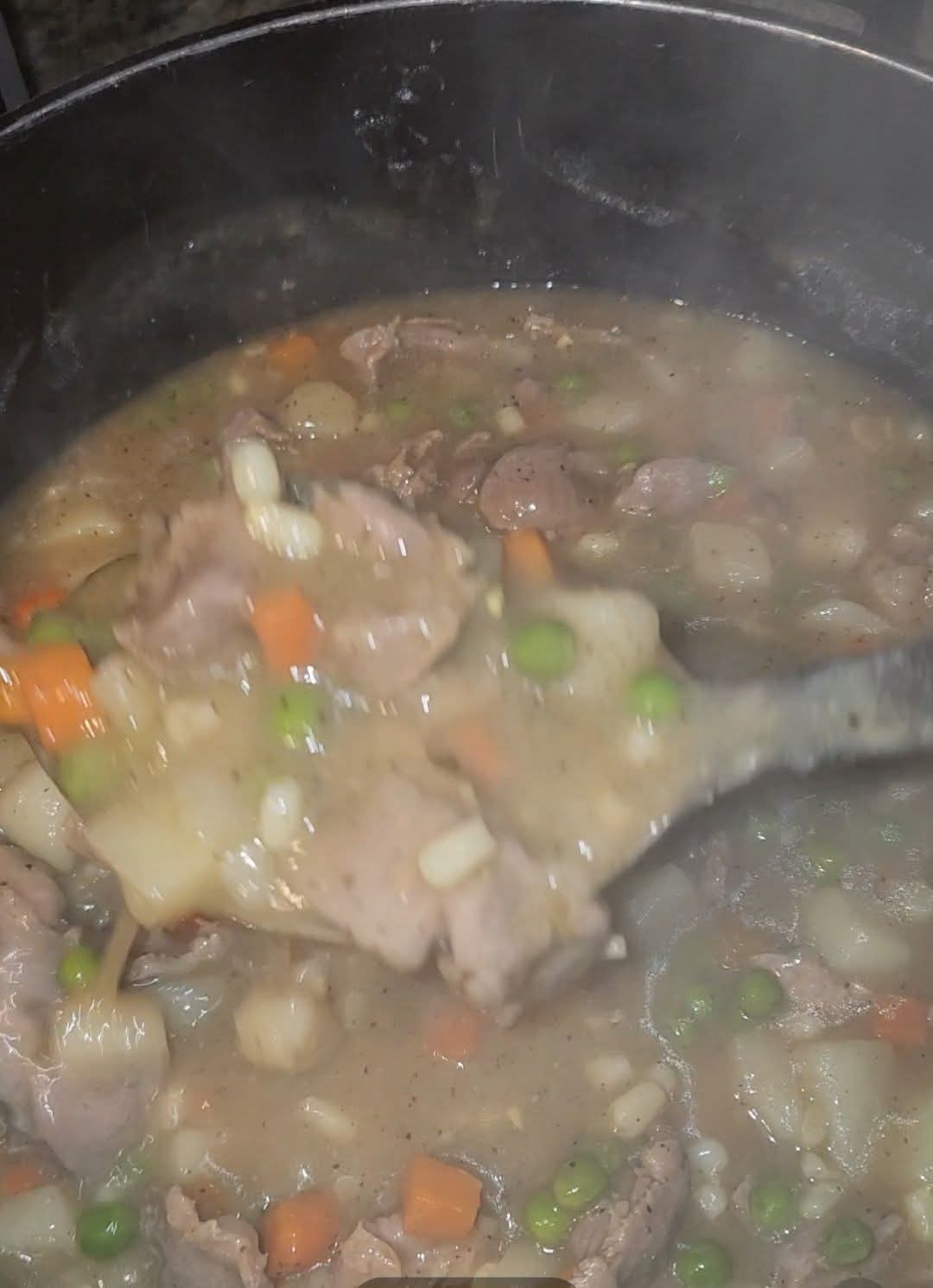
Chicken Pot Pie Filling is a classic comfort food that delivers hearty satisfaction with every bite. Featuring tender chunks of chicken, a medley of fresh vegetables, and a rich, creamy gravy, this filling is a versatile base for homestyle meals. Whether you’re preparing a traditional pot pie or a creamy chicken stew, this recipe offers a delicious, reliable option that suits both weeknight dinners and meal prep.
This recipe yields 6 generous servings and requires about 15 minutes of prep time plus 25 minutes of cooking. It’s designed for home cooks who want a straightforward, no-fuss approach using familiar ingredients. The balance of protein, vegetables, and creamy sauce ensures a filling dish that appeals to all ages and tastes.
Why you’ll love this Chicken Pot Pie Filling
- This filling combines tender chicken and a medley of vegetables for a wholesome, balanced meal that satisfies hunger and nourishes.
- The creamy gravy thickens perfectly, offering a rich texture without heaviness, making every spoonful smooth and comforting.
- It’s incredibly versatile—you can use it as a pie filling, serve it as a hearty stew, or even enjoy it over mashed potatoes or rice.
- The recipe uses simple pantry staples and fresh ingredients, making it easy to prepare anytime without special shopping.
- It’s a crowd-pleaser that works well for family dinners, potlucks, or meal prepping to enjoy throughout the week.
Ingredients
- 2 tablespoons butter
- 1 tablespoon vegetable oil
- 1 medium onion, diced
- 2 medium carrots, diced
- 2 medium potatoes, peeled and diced small
- 2 cups cooked chicken, cut into bite-size pieces
- 1/3 cup all-purpose flour
- 2 cups chicken broth
- 1 cup milk or half-and-half
- 3/4 cup frozen peas
- 3/4 cup corn kernels
- 1 teaspoon kosher salt
- 1/2 teaspoon black pepper
- 1/2 teaspoon dried thyme
This recipe makes 6 servings and requires about 15 minutes of prep time and 25 minutes of cooking time. The key ingredients include cooked chicken which provides tender protein and flavor, diced potatoes and carrots that add hearty texture and natural sweetness, and frozen peas and corn for bursts of color and subtle sweetness. Selecting fresh, firm vegetables ensures the best texture, while using a good-quality chicken broth enhances the depth of savory flavor in the gravy. Cooking the flour with the vegetables before adding liquids is essential to develop a smooth, thickened gravy that binds the filling ingredients beautifully and prevents lumps.
Instructions
- Heat butter and oil: In a pot over medium heat, melt the butter with the vegetable oil until shimmering.
- Cook onion and carrots: Add the diced onion and carrots to the pot. Sauté for about 5 minutes until they start to soften but are not fully cooked.
- Add potatoes: Stir in the diced potatoes and cook for an additional 2 minutes to combine flavors.
- Coat with flour: Sprinkle the all-purpose flour over the vegetables and stir well to coat everything evenly. Cook for 1 minute to remove the raw flour taste.
- Add liquids gradually: Slowly pour in the chicken broth while stirring constantly to prevent lumps. Then add the milk or half-and-half, mixing thoroughly.
- Simmer to thicken: Bring the mixture to a gentle simmer. Cook uncovered for 10 to 15 minutes, stirring occasionally, until the potatoes are tender and the gravy has thickened to a creamy consistency.
- Finish with chicken and vegetables: Stir in the cooked chicken, frozen peas, corn kernels, kosher salt, black pepper, and dried thyme. Simmer for 3 to 5 minutes until everything is heated through and flavors meld.
- Serve or use as filling: Use this filling immediately in a chicken pot pie crust or serve it as a thick, creamy chicken stew.
Tips for the best results
- Use cooked chicken from a roast or leftover chicken: This adds richer flavor and tender texture because the chicken is already cooked through and moist, preventing dryness during reheating.
- Cut vegetables uniformly: Ensures even cooking so that all pieces soften at the same rate and provide a consistent bite without some pieces being overcooked or underdone.
- Cook the flour well with the vegetables: This step eliminates the raw flour taste and helps the starches activate, creating a smooth, velvety gravy that clings well to the filling ingredients.
- Gradually add liquids while stirring: Prevents lumps from forming by incorporating the broth and milk slowly, allowing the flour to absorb liquids evenly for a creamy texture.
- Simmer gently: Cooking over medium-low heat keeps the milk from curdling and prevents the gravy from sticking or burning on the bottom of the pot, preserving flavor and texture.
- Adjust seasoning at the end: Taste before serving and add salt and pepper as needed because flavors deepen during cooking, and final adjustments ensure a perfectly balanced filling.
Variations and substitutions
- Swap chicken with turkey or cooked ham: For a different protein twist, use leftover turkey or diced ham, which adds unique flavors and variety.
- Use sweet potatoes instead of regular potatoes: This creates a sweeter, earthier flavor and a slightly different texture that pairs well with the creamy gravy.
- Replace frozen peas and corn with green beans or mushrooms: Customize the vegetable mix based on preference or what’s in season, adding fresh or frozen green beans or sautéed mushrooms for extra earthiness.
- Use heavy cream instead of milk or half-and-half: For an extra rich and indulgent filling, heavy cream adds lusciousness but increases calories and fat content.
- For a gluten-free version: Substitute the all-purpose flour with cornstarch or a gluten-free flour blend. When using cornstarch, mix it with cold water before adding to avoid lumps and thicken the sauce effectively.
Serving suggestions
This Chicken Pot Pie Filling is the perfect centerpiece for a classic pot pie topped with flaky, buttery pastry or biscuit dough for a comforting, nostalgic meal. Alternatively, spoon it over creamy mashed potatoes or fluffy rice to create a hearty, satisfying plate. Pair it with a crisp green salad dressed with a light vinaigrette or steamed green beans to add freshness and balance the richness of the filling. For a cozy presentation, serve the filling inside warm bread bowls, which soak up the creamy sauce and make a fun, rustic meal.
Storage and reheating
Store any leftover filling in an airtight container in the refrigerator for up to 3 days to maintain freshness and prevent spoilage. When reheating, warm gently over low heat in a saucepan, stirring occasionally to prevent sticking or curdling of the dairy. If the filling thickens too much during storage, add a splash of milk or chicken broth to loosen the gravy and restore creaminess. For longer storage, freeze the filling in a freezer-safe container for up to 2 months. Thaw overnight in the refrigerator before reheating gently to preserve texture and flavor.
Frequently asked questions
Can I use raw chicken in this filling?
This recipe calls for cooked chicken to ensure the filling cooks evenly and the chicken remains tender and juicy. Using raw chicken would require significantly longer cooking time to reach a safe internal temperature and could lead to uneven cooking or dryness. Pre-cooked chicken allows the filling to come together quickly and safely.
What can I substitute for half-and-half?
If you don’t have half-and-half on hand, you can substitute with whole milk or a combination of milk and cream to approximate the richness. Using milk alone will make the filling lighter but less creamy. For a dairy-free option, unsweetened plant-based milks like oat or cashew milk can work but may alter the flavor slightly.
How do I make this filling gluten-free?
To make a gluten-free version, replace the all-purpose flour with cornstarch or a gluten-free flour blend. When using cornstarch, be sure to mix it with a small amount of cold water before adding to the hot ingredients to prevent clumping. Cook until the sauce thickens fully to ensure the right texture without gluten.
Can I prepare this filling ahead of time?
Yes, this filling can be prepared up to two days in advance and stored in the refrigerator. Reheat gently before assembling into a pot pie or serving as a stew to maintain the best texture and flavor. Preparing ahead also makes meal prep easier and allows flavors to meld even more.
How thick should the gravy be for pot pie filling?
The gravy should be thick enough to coat the back of a spoon but still remain pourable. This consistency helps the filling hold together inside the pie crust during baking without becoming runny. If too thin, the filling may leak; if too thick, it can feel dry. Adjust with broth or milk as needed to reach the ideal texture.
Final thoughts
Chicken Pot Pie Filling is a timeless, comforting recipe that turns simple ingredients into a luscious, creamy dish perfect for family meals or casual gatherings. Whether baked inside a flaky crust or served as a cozy stew, this filling brings warmth and satisfaction to the table. Its ease, versatility, and familiar flavors make it a staple worth mastering. Try this recipe today and enjoy the delicious comfort of homemade chicken pot pie filling any day of the week.