
Introduction
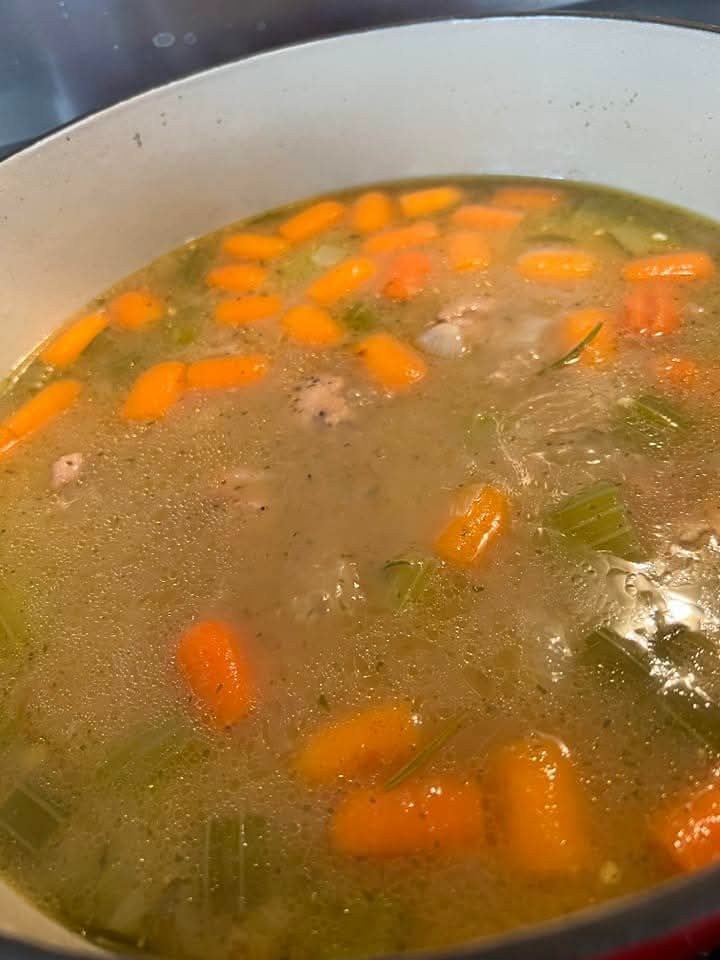
Chicken soup is a timeless comfort dish cherished across cultures for its nourishing qualities and rich, soothing flavors. This chicken soup recipe combines tender bone-in chicken thighs, fresh, crisp vegetables, and aromatic herbs to create a satisfying, wholesome meal that works beautifully any time of year.
Perfect for families, busy home cooks, or anyone craving a warm, hearty dish, this recipe is straightforward and takes just about an hour to prepare and cook. The outcome is a flavorful, clear broth with tender chicken and vibrant vegetables that provide both comfort and nutrition, making it ideal for lunch, dinner, or even as a restorative meal when you need some extra care and warmth.
Why you’ll love this Chicken Soup
- This recipe uses bone-in chicken thighs, which release collagen and marrow, enriching the broth with a deep, satisfying flavor and silky texture.
- Fresh vegetables like baby carrots, celery, and onion add natural sweetness, crunch, and a variety of textures that make each spoonful interesting.
- The blend of rosemary or bay leaves and fresh parsley infuses the soup with aromatic herbal notes that elevate the overall flavor profile without overpowering it.
- It’s a versatile soup that can be served as a light, nourishing meal on its own or as a hearty starter to a larger dinner.
- The recipe is easy to follow with simple, clear steps, making it accessible for home cooks of all experience levels and ensuring consistent results.
Ingredients
- 2 lb bone-in chicken thighs or a small cut-up chicken
- 10 cups water or low-sodium chicken broth
- 3 cups baby carrots
- 4 celery stalks, sliced
- 1 large onion, diced
- 3 cloves garlic, minced
- 2 sprigs rosemary or 2 bay leaves
- 2 tbsp chopped parsley
- 1 tsp kosher salt, plus more to taste
- 1/2 tsp black pepper
- 1 tbsp olive oil
Preparation and cooking time: 15 minutes prep, 1 hour cook time, serves 6 to 8 people.
The key ingredients in this chicken soup are thoughtfully chosen to create a rich, balanced dish. Bone-in chicken thighs provide the perfect balance of meat and connective tissue, which breaks down during cooking to create a flavorful, gelatinous broth that feels nourishing and luxurious. Fresh vegetables including carrots, celery, and onions contribute natural sweetness and depth while adding texture that contrasts nicely with the tender chicken. Choosing low-sodium broth or water as your base allows you to control seasoning precisely, preventing the soup from becoming overly salty. Aromatic herbs like rosemary or bay leaves gently perfume the broth with subtle, earthy notes, while fresh parsley added at the end brightens the soup with a fresh, herbal lift and vibrant green color.
Instructions
- Heat the olive oil: Warm the oil in a large pot over medium heat to prepare for sautéing.
- Sauté the aromatics: Add the diced onion, sliced celery, and minced garlic. Cook for 4 to 5 minutes until softened and fragrant, stirring occasionally.
- Add main ingredients: Place the chicken pieces, baby carrots, water or broth, rosemary or bay leaves, kosher salt, and black pepper into the pot.
- Bring to boil and simmer: Raise the heat to bring the liquid to a gentle boil, then reduce to a simmer. Skim off any foam or impurities that rise to the surface.
- Cook the chicken: Cover the pot loosely and let it simmer for 45 to 60 minutes until the chicken is fully cooked and the broth is flavorful.
- Remove and shred chicken: Carefully take out the chicken pieces and let them cool slightly. Remove skin and bones, then shred or chop the meat into bite-sized pieces.
- Return chicken to pot: Add the shredded chicken back into the soup and simmer for an additional 5 to 10 minutes.
- Finish with parsley: Stir in the chopped parsley, then taste and adjust seasoning with more salt and pepper if needed.
- Serve: Ladle the hot soup into bowls and enjoy immediately.
Tips for the best results
- Use bone-in chicken thighs to ensure a richer broth. The bones and connective tissue release gelatin during simmering, which gives the soup a silky mouthfeel and fuller flavor compared to boneless cuts.
- Simmer the soup gently rather than boiling vigorously. A gentle simmer helps keep the broth clear by preventing the proteins from breaking down too quickly and clouding the liquid.
- Skim off foam and impurities regularly during simmering. This removes coagulated proteins and fat that rise to the surface, resulting in a cleaner, clearer broth with a more refined taste.
- Add fresh parsley only at the end of cooking to preserve its bright green color and fresh, vibrant flavor. Prolonged cooking dulls the herb’s brightness and can turn it bitter.
- For a thicker soup texture, mash some of the cooked carrots and stir them back into the broth. This natural thickener adds body without overpowering the delicate flavors.
- Adjust salt gradually, especially if using store-bought broth, which can vary widely in sodium content. Adding salt in small increments helps avoid over-seasoning and balances the flavors perfectly.
Variations and substitutions
- Use boneless chicken breasts instead of thighs for a leaner option. The broth will be lighter and less rich, but the soup will still be delicious and tender.
- Substitute fresh rosemary with dried rosemary if fresh is unavailable. Use half the amount since dried herbs are more concentrated in flavor.
- Add noodles, rice, or barley near the end of cooking to make the soup heartier and more filling, perfect for a standalone meal.
- Include other vegetables such as diced potatoes, green beans, or peas to introduce different textures and flavors, enhancing the soup’s nutritional profile.
- For a spicier version, incorporate a pinch of red pepper flakes or a dash of hot sauce to add warmth and a subtle kick without overpowering the soup.
Serving suggestions
Serve this chicken soup warm and comforting, garnished with extra chopped parsley for color and freshness. It pairs exceptionally well with crusty artisan bread or simple crackers, perfect for dipping into the flavorful broth. A crisp green salad dressed lightly with lemon vinaigrette complements the meal by adding brightness and a refreshing contrast. This soup is also excellent as a starter for a larger dinner, setting a cozy tone and whetting the appetite. For an extra touch, offer freshly ground black pepper or a squeeze of lemon on the side to allow guests to customize their bowls.
Storage and reheating
Store any leftover chicken soup in an airtight container in the refrigerator, where it will keep well for up to 3 days. When reheating, warm the soup gently on the stovetop over medium heat, stirring occasionally to heat evenly. Avoid boiling the soup again to preserve the tender texture of the chicken and prevent the vegetables from becoming mushy. For longer storage, freeze the soup in freezer-safe containers for up to 3 months. Thaw overnight in the refrigerator before reheating gently. Note that if you’ve added noodles or rice, they may absorb more liquid during freezing and reheating, so you might want to add a splash of broth or water when warming.
Frequently asked questions
Can I use chicken breasts instead of thighs?
Yes, you can substitute boneless chicken breasts for thighs if you prefer a leaner option. However, chicken breasts tend to produce a lighter broth with less depth of flavor since they contain less fat and connective tissue. Thighs, especially bone-in, contribute collagen and fat that enrich the soup and create a more satisfying mouthfeel.
Is it better to use water or chicken broth?
Using low-sodium chicken broth will give your soup a richer, more developed flavor right from the start, as the broth adds depth and seasoning. However, water is a perfectly fine choice if you want a lighter soup or prefer to control the seasoning yourself. Starting with water allows you to adjust salt and herbs precisely to your taste, making it a versatile option for varying dietary needs.
Can I make this soup in a slow cooker?
Absolutely! Slow cooking is a convenient way to develop rich flavors without much hands-on time. Simply combine all ingredients in your slow cooker and cook on low for 6 to 8 hours or on high for 3 to 4 hours. Once the chicken is cooked, remove it to shred, then return the meat to the pot. Add fresh parsley and adjust seasoning just before serving to keep flavors bright and fresh.
How do I keep the soup clear and not cloudy?
To maintain a clear broth, simmer the soup gently rather than boiling vigorously. Vigorous boiling breaks down proteins and fats too quickly, causing cloudiness. Regularly skim off any foam or scum that rises to the surface during simmering; this foam consists of coagulated proteins and impurities that can cloud the soup if left in.
Can I add noodles or rice to this soup?
Yes, noodles or rice are excellent additions to make the soup more filling. Add them during the last 10 to 15 minutes of cooking, adjusting the time depending on the type and cooking instructions for the starch. This allows the noodles or rice to cook fully without becoming mushy or soaking up too much broth.
Final thoughts
This chicken soup recipe is a comforting classic that balances rich, tender chicken with fresh vegetables and fragrant herbs to create a nourishing, satisfying meal. Its simplicity and versatility make it a go-to recipe for any home cook seeking warmth and wholesome flavors. Try this recipe today and enjoy the cozy satisfaction of homemade chicken soup that brings both comfort and joy to your table.