
Introduction
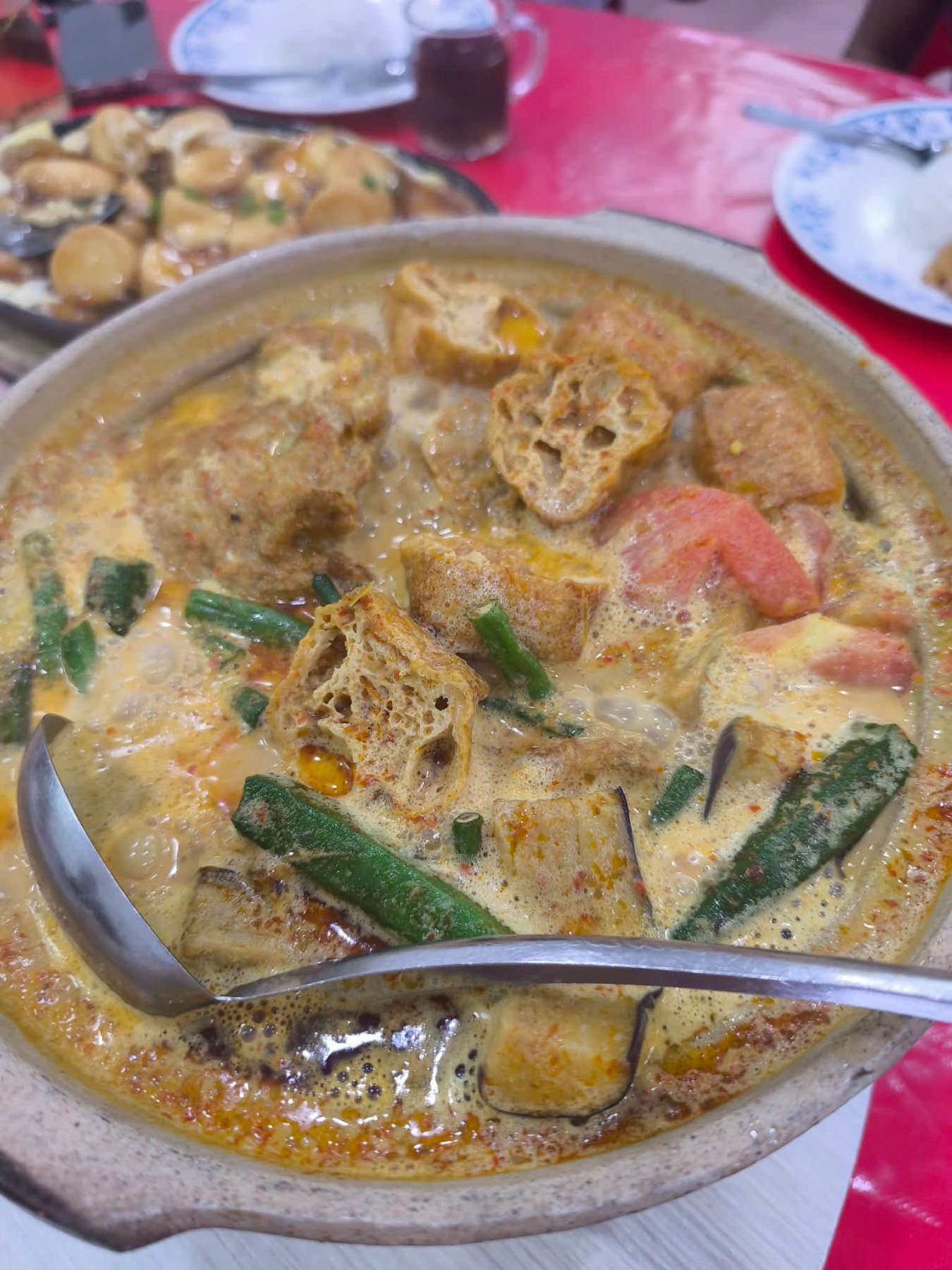
Claypot Curry Vegetables is a rich and aromatic dish that combines creamy coconut milk, vibrant curry paste, and a colorful medley of fresh vegetables and tofu. This comforting curry is perfect for anyone looking for a wholesome vegetarian meal packed with texture and flavor.
With just 15 minutes of prep and 20 minutes of cooking, this recipe is ideal for busy weeknights or leisurely weekend dinners. Cooking in a claypot or a deep saucepan helps develop deep flavors, making it a satisfying dish for the whole family.
Why you’ll love this Claypot Curry Vegetables
- This recipe is packed with nutritious vegetables and protein-rich tofu, making it a well-balanced vegetarian meal.
- The creamy coconut milk blends beautifully with the aromatic curry paste for a rich, comforting sauce.
- Cooking the curry in a claypot intensifies the flavors and creates a lovely texture in the vegetables.
- It’s quick and easy to prepare, requiring only about 35 minutes from start to finish.
- The dish is versatile and can be adapted with different vegetables or spice levels to suit your taste.
Ingredients
- 3 tbsp vegetable oil
- 4 tbsp curry paste
- 1 1/2 cups coconut milk
- 1 1/2 cups water or light stock
- 8 tofu puffs, halved
- 6 okra, trimmed
- 150 g long beans, cut into 5 cm pieces
- 1 small eggplant, cut into chunks
- 2 tomatoes, cut into wedges
- 200 g firm tofu, cubed
- 1 small onion, sliced
- 2 cloves garlic, minced
- 1 tsp sugar
- 1 tsp salt, or to taste
Serves 4 | Prep time: 15 minutes | Cook time: 20 minutes
This recipe relies on fresh, quality ingredients to build its bold flavors. Use full-fat coconut milk for a creamy texture and rich taste. Choose firm tofu and tofu puffs for hearty protein that absorbs the curry sauce well. Select fresh, crisp vegetables like okra, long beans, and eggplant with no blemishes for the best texture. Homemade or good-quality curry paste will greatly enhance the dish’s aroma and depth.
Instructions
- Heat the oil: Warm the vegetable oil in a claypot or a deep saucepan over medium heat to prepare for sautéing.
- Sauté aromatics: Add the sliced onion and minced garlic, cooking briefly until fragrant and translucent, about 1-2 minutes.
- Cook curry paste: Stir in the curry paste and fry for 1 to 2 minutes until it becomes aromatic and the oil starts to separate from the paste, intensifying the flavors.
- Add liquids: Pour in the coconut milk and water or light stock, stirring well to combine all ingredients evenly.
- Simmer with tofu: Bring the mixture to a gentle simmer, then add the halved tofu puffs and cubed firm tofu, allowing them to absorb the flavors.
- Add vegetables: Incorporate the eggplant chunks and long bean pieces, cooking for about 5 minutes until they begin to soften.
- Finish with okra and tomatoes: Add the trimmed okra and tomato wedges, simmering for an additional 4 to 6 minutes until all vegetables are tender but still hold their shape.
- Season the curry: Stir in the sugar and salt to taste, balancing the sweet and savory elements of the dish.
- Serve hot: Dish the curry directly from the claypot or saucepan, pairing it with steamed rice for a complete meal.
Tips for the best results
- Use a claypot if possible; it distributes heat evenly and enhances the curry’s depth of flavor.
- Do not overcook the vegetables to keep a pleasant texture and prevent them from becoming mushy.
- Adjust the curry paste quantity to control the spiciness according to your preference.
- Stir gently when adding tofu puffs to avoid breaking them apart.
- Use fresh garlic and onions to ensure a fragrant base for the curry.
- Let the curry simmer on low heat to allow flavors to meld beautifully without burning.
Variations and substitutions
- Add potatoes or sweet potatoes for extra heartiness and a subtle sweetness.
- Substitute long beans with green beans or snap peas for a different crunch.
- Use bell peppers of various colors to add sweetness and vibrant color.
- Replace tofu with tempeh or chickpeas for alternative protein sources.
- Try different curry pastes such as red, green, or yellow to change the flavor profile.
Serving suggestions
Serve Claypot Curry Vegetables hot, straight from the claypot, accompanied by steamed jasmine or basmati rice to soak up the flavorful sauce. A side of fresh cucumber salad or pickled vegetables adds a refreshing contrast. For a complete meal, pair with warm roti or naan bread. Garnish with fresh cilantro or a squeeze of lime for brightness just before serving.
Storage and reheating
Store any leftovers in an airtight container in the refrigerator for up to 3 days. The curry may thicken when chilled; add a splash of water or coconut milk while reheating to loosen the sauce. Reheat gently on the stove over low heat until warmed through, stirring occasionally to prevent sticking. Avoid microwave reheating as it can unevenly heat the curry and affect texture.
Frequently asked questions
Can I use regular curry powder instead of curry paste?
While curry paste provides a more concentrated and complex flavor, you can use curry powder as a substitute. Use about 2 tablespoons of curry powder and sauté it with the onions and garlic to release its aroma before adding liquids. The texture and taste may differ slightly but will still be delicious.
What can I use instead of tofu puffs?
If tofu puffs are unavailable, you can substitute with extra firm tofu or fried tofu cubes. Tofu puffs absorb the curry sauce well due to their porous texture, so using firm tofu will give a less spongy but still satisfying result.
Is it necessary to cook in a claypot?
Cooking in a claypot is traditional and enhances the flavor by distributing heat evenly and retaining moisture. However, a heavy-bottomed deep saucepan works well as an alternative, producing a similar result.
How spicy is this curry?
The spice level depends on the curry paste used. Most curry pastes are moderately spicy; you can adjust the heat by reducing or increasing the amount of curry paste. Adding coconut milk also helps mellow the spiciness.
Can I make this curry vegan?
Yes, this recipe is naturally vegan as it uses plant-based ingredients like tofu and vegetables. Ensure your curry paste does not contain shrimp paste or other animal products by checking the label or making your own vegan curry paste.
Final thoughts
Claypot Curry Vegetables is a delightful blend of creamy coconut milk, fragrant curry spices, and fresh vegetables that comes together quickly for a nourishing meal. Its versatility and rich flavors make it a must-try recipe for both beginners and seasoned cooks alike. Give this recipe a try and enjoy a comforting bowl of vibrant, homemade curry in your own kitchen.