
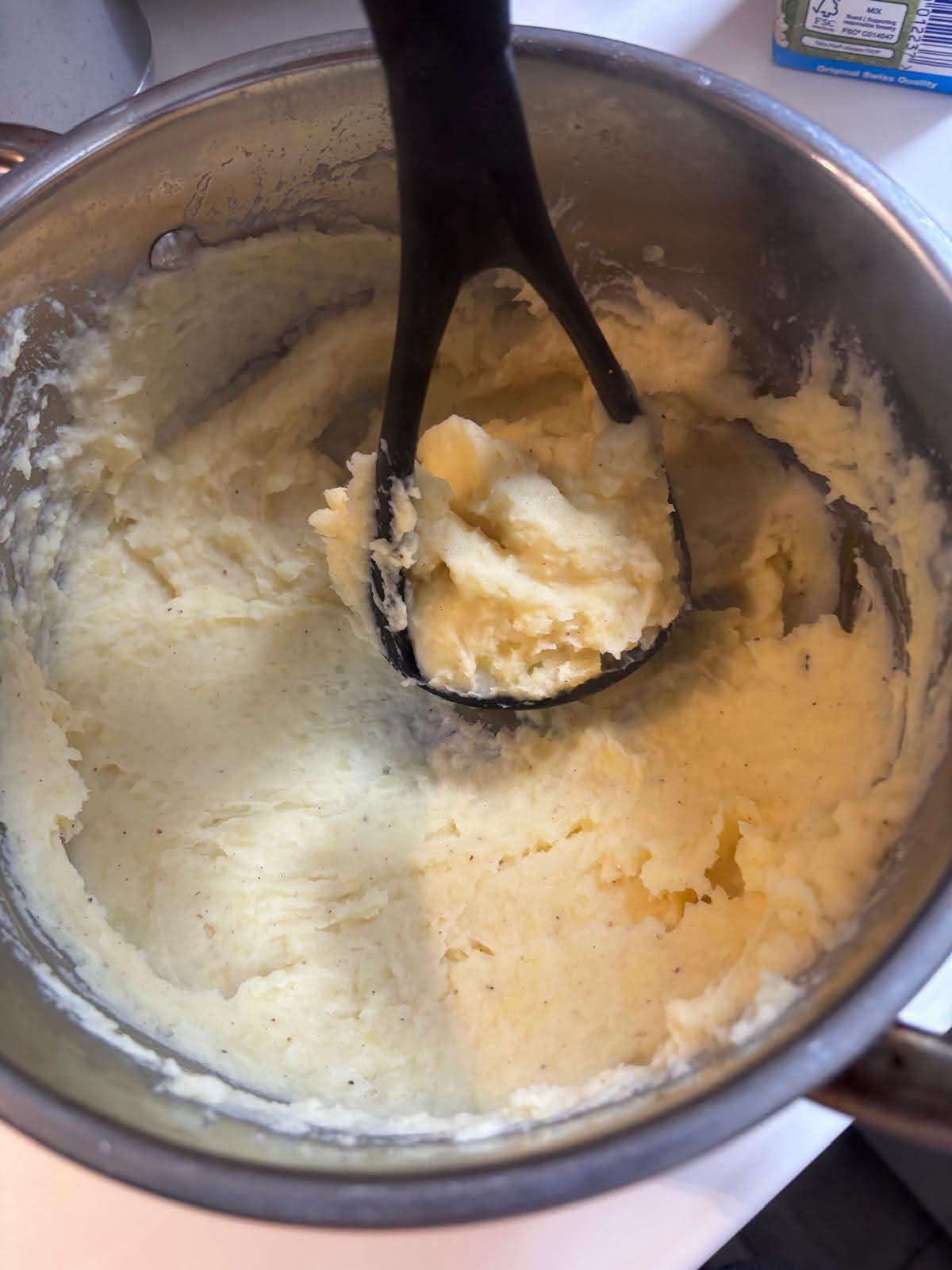
Creamy mashed potatoes are the comforting side dish that makes almost any meal feel like a celebration. Silky, buttery and rich without being heavy, they are the perfect partner for roast chicken, grilled steak, a holiday turkey or a simple weeknight dinner of sausages and gravy. This recipe for creamy mashed potatoes serves six and is designed for home cooks who want reliable results without fancy equipment, just a good pot, a colander and a potato masher.
The secret to great mashed potatoes lies in three simple choices: choosing the right variety, adding warm dairy and mashing gently. Floury potatoes such as Maris Piper, Russet or Yukon Gold break down into light, fluffy flesh, while warm butter and milk blend in smoothly without cooling the mash. Follow the steps below and you will have a bowl of creamy mashed potatoes that tastes like it came from a restaurant kitchen.
Why you’ll love this creamy mashed potatoes recipe
- The potatoes turn out fluffy and smooth because they are cooked until tender and mashed while still hot.
- Only six simple ingredients are needed, most of which you probably already have in your kitchen.
- The method is forgiving, so beginners can make a great result on their very first try.
- The recipe is easy to scale up for a crowd or down for a small family dinner.
- Each spoonful is rich and comforting, and the dish pairs well with almost any main course.
Ingredients for creamy mashed potatoes
Servings: 6 | Prep time: 10 minutes | Cook time: 25 minutes
- 1.5 kg (3 lb) floury or all-purpose potatoes (Maris Piper, Russet or Yukon Gold), peeled and cut into even chunks
- 60 g (4 tbsp) unsalted butter, cubed
- 150 ml (2/3 cup) whole milk or cream, warmed
- 1 1/2 tsp salt for the cooking water, plus more to taste
- 1/2 tsp freshly ground black pepper
- A pinch of freshly grated nutmeg (optional)
Choosing the right potato makes a real difference. Floury varieties such as Russet, Maris Piper and Yukon Gold have a higher starch content, which gives you a light, fluffy texture. Waxy potatoes, like new potatoes or red-skinned salad varieties, hold their shape too well and can turn out dense. Use unsalted butter so you control the seasoning, and choose whole milk or cream for the richest finish. Warming the dairy before adding it keeps the mash hot and helps everything blend into a smooth, velvety texture.
Instructions for creamy mashed potatoes
- Start the potatoes in cold water. Place the potato chunks in a large saucepan, cover with cold water by 2.5 cm (1 inch) and add 1 tsp salt. Starting in cold water lets the potatoes cook evenly from the outside in.
- Bring to a boil, then simmer. Bring the pot to a boil, then reduce the heat to a gentle simmer and cook for 15-20 minutes, until a knife slides into the largest piece with no resistance.
- Drain and steam-dry. Drain the potatoes well in a colander and let them sit for 2-3 minutes so excess moisture can evaporate. Dry potatoes absorb butter and milk better and avoid a watery mash.
- Mash the potatoes. Return the potatoes to the warm pot over low heat and mash with a potato masher until they are mostly smooth, with just a few small lumps remaining.
- Add the butter. Add the cubed butter and mash until it has melted and is fully incorporated into the potatoes.
- Stir in the warm milk or cream. Pour in the warm milk or cream a little at a time, stirring gently after each addition until the mash is creamy and fluffy.
- Season and serve. Season with salt, black pepper and nutmeg if using. Taste, adjust the seasoning as needed, and serve the mashed potatoes hot.
Tips for the best results
- Cut the potatoes evenly. Uniform chunks cook at the same rate, so you won’t end up with a mix of mushy and hard pieces.
- Warm your dairy. Cold milk can cool the potatoes and make the mash stiff, so heat it gently in a small pan or microwave before adding.
- Dry the potatoes well. Steaming off the excess water after draining prevents a thin, soupy texture.
- Mash by hand. A masher or ricer keeps the starch intact; a food processor or blender will turn the potatoes gluey.
- Don’t overwork the mash. Stop mashing as soon as the potatoes are smooth, since overworking releases too much starch.
- Season in stages. Add salt a little at a time and taste as you go, because butter and cream can make the mash taste blander than expected.
Variations and substitutions
- Garlic mashed potatoes: Simmer 3-4 whole garlic cloves with the potatoes, then mash them in for a mellow, sweet garlic flavor.
- Cheesy mashed potatoes: Stir in 60-80 g (about 1/2 cup) of grated sharp cheddar or Parmesan at the end for a richer, savory version.
- Dairy-free: Use a plant-based milk and a dairy-free butter alternative, or a splash of olive oil, for a lighter and still creamy result.
- Herb mashed potatoes: Fold in chopped chives, parsley or thyme just before serving to add freshness and color.
- Sour cream version: Replace half the milk with sour cream for a tangy finish that pairs well with grilled meats.
Serving suggestions
Creamy mashed potatoes are the classic companion to roast chicken, pot roast, meatloaf and grilled sausages. Spoon them onto the plate and make a shallow well in the center to hold a generous pool of gravy. They also work beautifully alongside steamed green beans, roasted carrots or braised red cabbage for a balanced plate. For a casual meal, serve them in a big bowl with a sprinkle of chives and a knob of extra butter on top, letting everyone help themselves. Mashed potatoes also make a wonderful base for shepherd’s pie, where they are spread over a savory meat and vegetable filling and baked until golden.
Storage and reheating
Leftover mashed potatoes keep well in an airtight container in the refrigerator for up to three days. Let them cool to room temperature first, then refrigerate promptly. To reheat, place the potatoes in a saucepan over low heat and add a splash of warm milk or a small knob of butter, stirring until hot and creamy again. You can also microwave them in short bursts, stirring between each one. Mashed potatoes can be frozen for up to two months, though their texture may become slightly grainy after thawing, so a little extra milk and vigorous stirring usually restores them well.
Frequently asked questions
Which potatoes are best for creamy mashed potatoes?
Floury potatoes such as Russet, Maris Piper and Yukon Gold are the best choice because their high starch content makes the mash light and fluffy. Waxy potatoes, like red-skinned or new potatoes, hold their shape too firmly and tend to produce a dense, heavy texture. If you are unsure, Yukon Gold is a great all-purpose option that is both creamy and flavorful.
Can I make mashed potatoes ahead of time?
Yes, you can prepare mashed potatoes a day in advance. Store them in the refrigerator, then reheat gently on the stove or in a covered dish in the oven with a splash of warm milk. Keeping them covered helps prevent a dry crust from forming, and stirring well when reheating brings the texture back to smooth and creamy.
Why are my mashed potatoes gluey?
Gluey mashed potatoes are usually caused by overworking the starch, most often by using a blender, food processor or electric mixer for too long. Mash by hand with a potato masher or ricer and stop as soon as the potatoes are smooth. Using waxy potatoes or adding too much cold liquid can also contribute to a sticky texture.
Should I peel the potatoes before boiling?
Peeling is recommended for the smoothest result, since skins can leave small flecks in the finished mash. If you prefer a more rustic style, you can leave the skins on, scrub the potatoes thoroughly and mash them with the peels for extra texture and flavor. Just be sure the potatoes are well washed before cooking.
Can I use milk instead of cream?
Absolutely. Whole milk gives a lighter but still creamy mash, while cream produces an even richer, more indulgent result. You can also mix the two for a balance of flavor and texture. Always warm the liquid before adding it to keep the potatoes hot and smooth.
Final thoughts
Creamy mashed potatoes are one of those simple dishes that reward a little care: choose floury potatoes, cook them evenly, dry them well, and mash gently with warm butter and milk. Once you have the method down, you can easily adapt it with garlic, cheese or fresh herbs to suit your mood. Gather your ingredients this week, put a pot of potatoes on the stove, and give this recipe a try. We think you’ll be reaching for the masher again and again.