
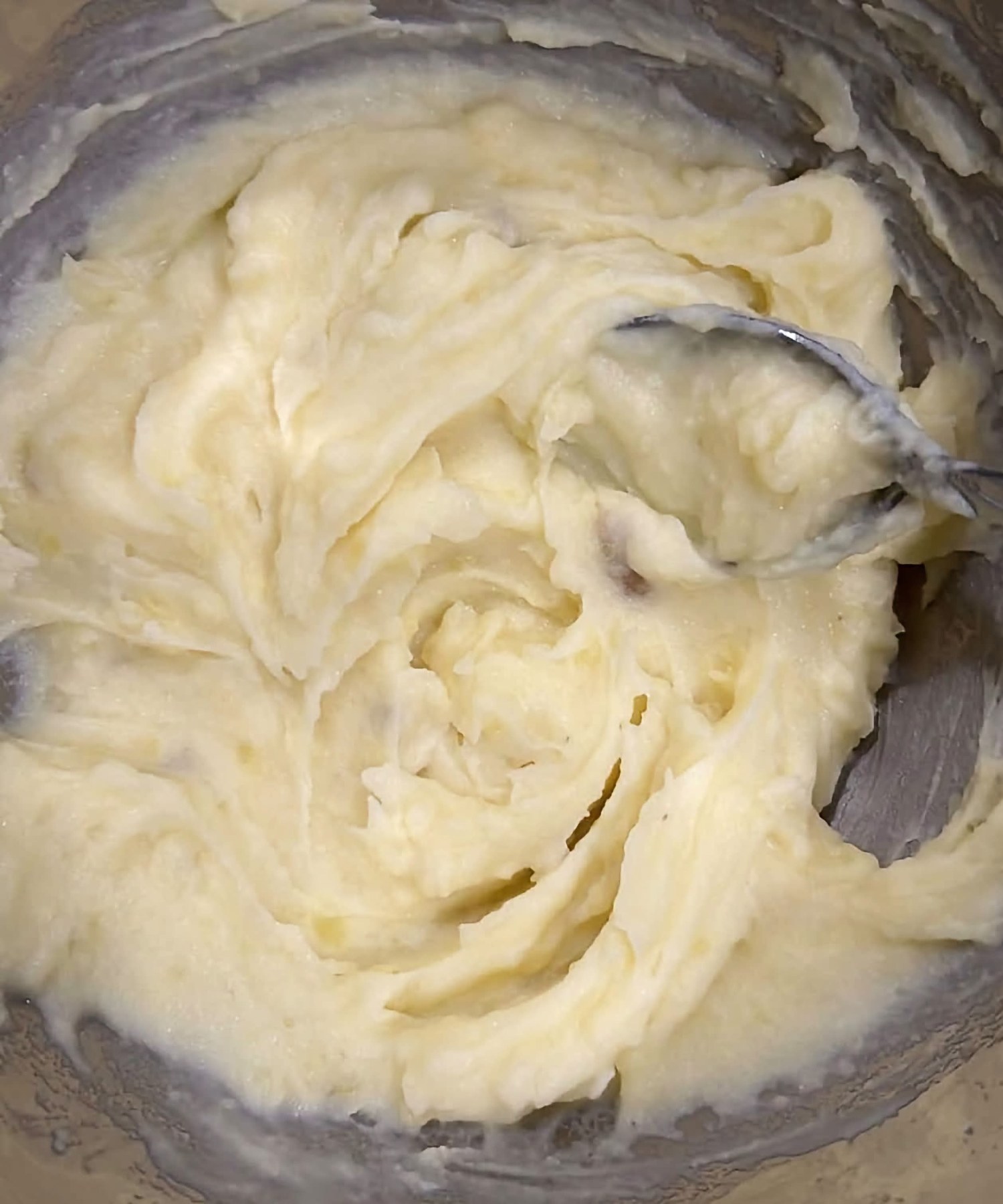
Creamy mashed potatoes are the kind of side dish that makes almost any meal feel complete. Smooth, rich and gently seasoned, they pair beautifully with roast chicken, meatloaf, pot roast or a simple weeknight dinner of pan-seared pork chops. This recipe is built around Yukon Gold potatoes, which have a naturally buttery flavor and a fine, creamy texture that holds up well to mashing.
This version is designed for home cooks who want reliable results without fuss. You need only five ingredients, and the method is straightforward: boil the potatoes until tender, mash them with softened butter, and fold in warm milk until the texture is light and fluffy. It serves four to six people and takes about 35 minutes from start to finish, so it is practical for holiday dinners as well as busy weeknights.
Why you’ll love this creamy mashed potatoes recipe
- Yukon Gold potatoes give you a naturally rich, buttery flavor, so you need less butter to get a luxurious result.
- The recipe uses only five simple ingredients that are likely already in your kitchen.
- Warming the milk before adding it keeps the potatoes hot and helps them absorb the liquid evenly.
- The texture is smooth and fluffy rather than dense, which makes the potatoes a satisfying base for gravy.
- Because the method is quick and forgiving, it is an easy recipe to master and to repeat for family meals.
Ingredients
- 2 lb (900 g) Yukon Gold potatoes, peeled and cut into chunks
- 4 tbsp (60 g) unsalted butter, softened
- 1/2 cup (120 ml) warm whole milk or half-and-half
- 1 1/2 tsp salt, plus more for the cooking water
- 1/4 tsp freshly ground black pepper
Yukon Gold potatoes are the best choice here because they are medium-starchy and have thin skins, so they mash into a creamy, velvety texture. Russet potatoes also work and produce an even fluffier result, though they can feel slightly drier. For the butter, unsalted is preferred so you control the total salt. Whole milk gives a balanced richness, while half-and-half makes the mash even more indulgent. Always warm the dairy before adding it, as cold milk can cool the potatoes and make them heavy.
Instructions
- Start the potatoes in cold water. Place the potato chunks in a large pot, cover them with cold water, and add a generous pinch of salt. Starting in cold water ensures the outside and inside cook at the same rate.
- Boil until very tender. Bring the pot to a boil, then reduce the heat to a simmer. Cook for 15-20 minutes, until the potatoes are very tender when pierced with a fork and offer no resistance.
- Drain and steam dry. Drain the potatoes well and return them to the hot pot for about 1 minute. This lets excess moisture evaporate, which prevents a watery mash.
- Mash the potatoes. Mash with a potato masher, a ricer, or an electric mixer on low speed until smooth. A ricer gives the silkiest texture, while a masher leaves a more rustic finish.
- Add the butter. Add the softened butter and mix until it is melted and fully incorporated into the potatoes.
- Stir in the warm milk. Gradually pour in the warm milk while mixing, stopping when the potatoes are creamy and fluffy. Add it slowly so you can control the consistency.
- Season and serve. Season with the salt and black pepper, taste, and adjust as needed. Serve warm while the texture is at its best.
Tips for the best results
- Cut the potatoes into evenly sized chunks so they cook at the same rate and none are left hard in the middle.
- Always start the potatoes in cold water rather than dropping them into boiling water, which can leave the edges overcooked and the centers firm.
- Warm the milk gently in a small saucepan or microwave before adding it, so the potatoes stay hot and absorb the liquid smoothly.
- Avoid overmixing, especially with an electric mixer or food processor, because the starch can become gluey and heavy.
- Use softened butter, not melted, so it blends evenly without making the mash greasy.
- Taste before serving and add salt in small pinches, since the flavor intensifies as the potatoes cool slightly.
Variations and substitutions
- Garlic mashed potatoes: Simmer two or three peeled garlic cloves with the potatoes, then mash them in for a mellow, aromatic flavor.
- Herb mashed potatoes: Stir in chopped chives, parsley or thyme at the end for a fresh, bright note.
- Cheesy mashed potatoes: Fold in a half cup of grated sharp cheddar or Parmesan once the milk is incorporated for a richer, savory version.
- Sour cream version: Replace up to a quarter cup of the milk with sour cream for a tangy finish that suits hearty meals.
- Dairy-free option: Use olive oil or a plant-based butter alternative and unsweetened oat or soy milk, keeping the same measurements for a similarly creamy texture.
Serving suggestions
Creamy mashed potatoes are a classic partner for roast turkey, baked ham, grilled steak and crispy-skinned roast chicken. Spoon them onto the plate and make a well in the center for a pool of gravy or pan juices. They also work well alongside green vegetables like roasted broccoli, green beans or buttered peas, creating a balanced plate. For a casual meal, serve them in a large bowl topped with a pat of butter and a sprinkle of chives so everyone can help themselves.
Storage and reheating
Leftover mashed potatoes keep well in an airtight container in the refrigerator for up to three days. Let them cool to room temperature first, then refrigerate promptly. To reheat, place them in a saucepan over low heat and stir in a splash of warm milk or a small knob of butter to restore their creamy texture. You can also microwave them in short bursts, stirring between each one, until heated through.
Frequently asked questions
Can I make creamy mashed potatoes ahead of time?
Yes, you can prepare them up to two days in advance. Cool them, refrigerate in an airtight container, and reheat gently on the stove with extra warm milk, stirring until smooth and hot. Adding a little butter during reheating helps restore the richness and prevents them from drying out.
Why are my mashed potatoes gluey?
Gluey potatoes are almost always caused by overmixing or by using a food processor or high-speed mixer, which overworks the starch. Mash gently and only until the potatoes are smooth. Using a potato masher or ricer reduces the risk considerably.
Should I peel the potatoes before boiling?
Peeling gives the smoothest, most traditional texture, which is why this recipe calls for it. However, you can leave the skins on for a rustic style. Just scrub the potatoes well and choose thin-skinned varieties such as Yukon Gold or red potatoes.
What is the best potato for mashed potatoes?
Yukon Gold potatoes are an excellent all-round choice because they are naturally creamy and flavorful. Russet potatoes are fluffier and absorb more butter and milk, while waxy potatoes like red potatoes hold their shape more and can feel slightly denser.
How do I keep mashed potatoes warm for a holiday dinner?
Keep the finished mash in a heatproof bowl set over a pot of barely simmering water, or in a slow cooker on the warm setting. Stir occasionally and add a splash of warm milk if the mash begins to thicken too much while it waits.
Final thoughts
Creamy mashed potatoes are a simple recipe with a big payoff, and once you have made them a few times you will know exactly how you like them. Try this version with Yukon Gold potatoes and warm milk, adjust the seasoning to your taste, and enjoy a side dish that feels comforting and special. We hope it becomes a favorite at your table.