
Introduction
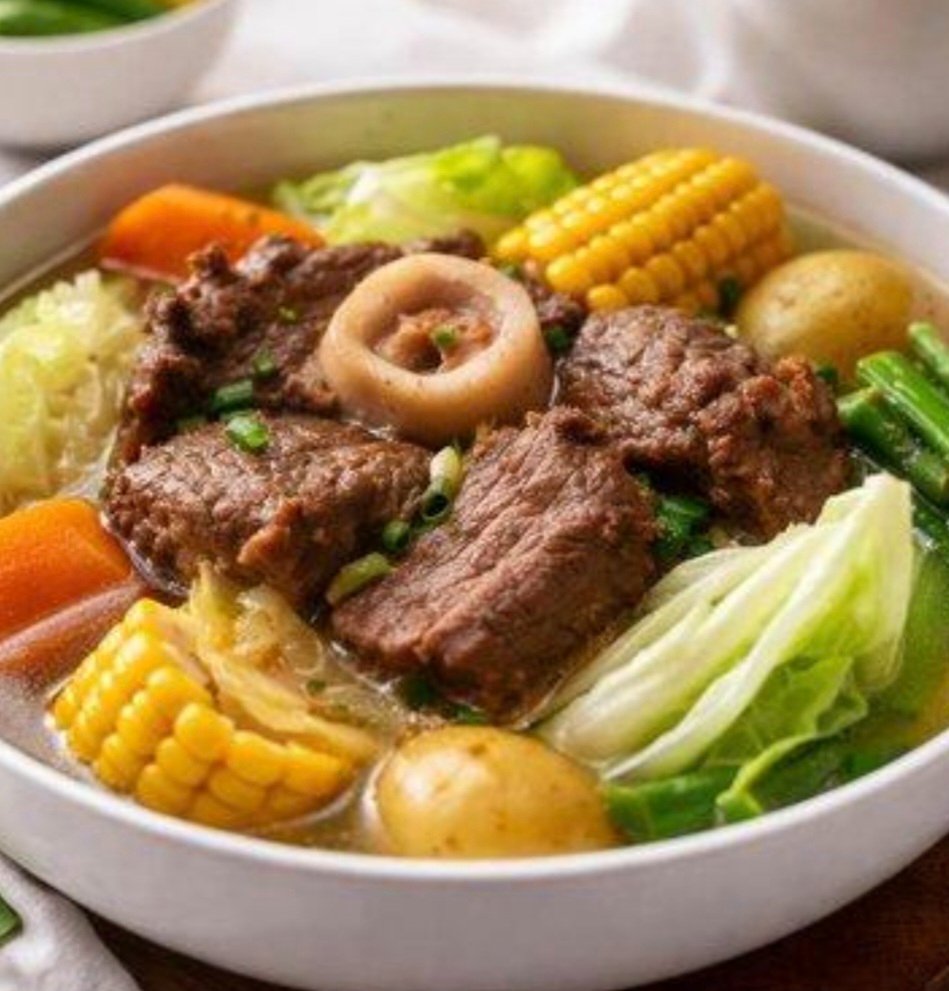
Cabbage Vegetable Soup is a wholesome and comforting dish that perfectly balances nutrition and flavor. This easy-to-make soup combines a variety of fresh vegetables simmered in a savory broth, delivering a light yet satisfying meal that nourishes the body and soothes the soul. Whether you’re looking for a healthy lunch or a cozy dinner, this recipe offers a delicious way to enjoy seasonal produce in one hearty bowl.
Designed to serve 6, this recipe requires just 15 minutes of preparation and about 35 minutes of cooking, making it an ideal choice for busy weeknights or relaxed weekend meals. Its simplicity and versatility appeal to cooks of all skill levels, while the colorful mix of vegetables ensures every spoonful is packed with flavor and nutrients. This soup works well as a standalone meal or as part of a larger menu, offering a satisfying experience without heaviness.
Why you’ll love this Cabbage Vegetable Soup
- It’s packed with a colorful mix of fresh vegetables that provide essential vitamins and minerals, supporting a balanced diet.
- The recipe is easy to prepare, making it perfect for cooks of all skill levels who want a quick, nutritious meal.
- The broth-based soup is light yet hearty, ideal for warming up without feeling overly filling or greasy.
- It’s versatile and can be customized with your favorite vegetables or herbs to suit personal tastes and seasonal availability.
- Serves 6, making it great for families or meal prepping for the week to save time and reduce waste.
Ingredients
- 2 tbsp olive oil
- 1 large onion, chopped
- 3 cloves garlic, minced
- 3 carrots, sliced
- 2 celery stalks, chopped
- 1/2 small green cabbage, chopped
- 2 medium potatoes, peeled and diced
- 1 cup cut green beans
- 1 cup corn kernels
- 1 can (14 oz) diced tomatoes
- 2 tbsp tomato paste
- 6 cups vegetable broth
- 1 bay leaf
- 1 tsp dried oregano
- 1/2 tsp dried thyme
- 1 tsp kosher salt, plus more to taste
- 1/2 tsp black pepper
This recipe makes 6 servings and takes about 50 minutes in total, including preparation and cooking time. The ingredients combine staple vegetables like cabbage, potatoes, and carrots with flavorful herbs and tomato elements to create a rich yet light soup. When selecting your vegetables, opt for fresh, firm produce: look for crisp cabbage leaves free from discoloration or wilting, choose potatoes that are firm and free of sprouts or green spots, and pick bright green beans that snap easily. Using a high-quality vegetable broth, preferably homemade or low-sodium store-bought, will enhance the soup’s depth of flavor without overpowering the delicate vegetable notes.
Instructions
- Heat olive oil: Warm 2 tablespoons of olive oil in a large pot over medium heat to start building the soup’s flavor base. Heating the oil slowly allows it to infuse with the aromatics added next.
- Sauté aromatics: Add chopped onion, sliced carrots, and chopped celery. Cook for 5 to 7 minutes, stirring occasionally, until the vegetables soften and become fragrant. This step develops sweetness and complexity in the soup’s foundation.
- Add garlic: Stir in minced garlic and cook for 30 seconds, releasing its aroma without burning. Garlic cooks quickly, so watch closely to avoid bitterness.
- Add vegetables and liquids: Stir in chopped cabbage, diced potatoes, cut green beans, corn kernels, diced tomatoes, tomato paste, and pour in 6 cups of vegetable broth. Add the bay leaf, dried oregano, thyme, salt, and pepper. Combining these ingredients now allows the flavors to meld during simmering.
- Bring to boil and simmer: Increase heat to bring the soup to a boil, then reduce to a gentle simmer. Partially cover the pot to let steam escape while cooking. This method prevents the soup from becoming too watery or evaporating too much liquid.
- Cook until tender: Let the soup simmer for 25 to 35 minutes, or until the potatoes and cabbage are tender and flavors meld. Testing the vegetables for doneness ensures the perfect texture without overcooking.
- Adjust seasoning and serve: Taste and add more salt or pepper if needed. Remove the bay leaf before ladling the soup into bowls. Proper seasoning at the end enhances all the layered flavors in the soup.
Tips for the best results
- Use fresh vegetables for the best texture and flavor; avoid soggy or wilted produce which can make the soup taste bland or mushy.
- Don’t skip sautéing the onions, carrots, and celery first—it builds a richer base by caramelizing natural sugars and deepening flavor complexity.
- Simmer gently to avoid overcooking the vegetables and turning them mushy, which can affect both texture and appearance.
- Adjust the seasoning at the end since flavors develop during cooking; adding salt too early can concentrate and overpower the soup.
- For a thicker soup, mash a few potatoes in the pot to create natural creaminess without adding dairy or thickeners.
- Remove the bay leaf before serving to prevent any bitter or woody notes that can detract from the soup’s balance.
Variations and substitutions
- Replace green beans with zucchini or bell peppers for different textures and flavors that add freshness and color.
- Use sweet potatoes instead of regular potatoes for a subtle sweetness and slightly different nutrient profile.
- Add cooked beans or lentils to boost protein content and make the soup heartier for a more filling meal.
- Swap vegetable broth with chicken broth if you prefer a non-vegetarian version, adding richness and depth.
- Include fresh herbs like parsley or basil at the end for a bright herbal finish that lifts the soup’s flavor.
Serving suggestions
Serve this Cabbage Vegetable Soup hot, accompanied by crusty bread, warm dinner rolls, or garlic toast to soak up the flavorful broth. A sprinkle of freshly grated Parmesan or a drizzle of good-quality olive oil adds a touch of richness and enhances mouthfeel. For a more balanced meal, pair the soup with a light green salad dressed simply with lemon and olive oil. This combination provides a variety of textures and flavors, making it perfect for lunch or dinner, especially during cooler months when warm comfort food is most welcome.
Storage and reheating
Store any leftover soup in an airtight container in the refrigerator for up to 4 days to maintain freshness and prevent spoilage. When reheating, warm gently on the stovetop over medium-low heat, stirring occasionally to heat evenly and avoid scorching. If the soup has thickened during storage, add a splash of water or broth to loosen it to your desired consistency. This soup also freezes well for up to 2 months; be sure to cool it completely before transferring to freezer-safe containers. Thaw overnight in the fridge before reheating gently to preserve texture and flavor.
Frequently asked questions
Can I make this soup vegan or vegetarian?
Yes, this Cabbage Vegetable Soup is naturally vegetarian and vegan when using vegetable broth. To keep it vegan, ensure that the broth is plant-based and no animal products such as dairy or meat are added during cooking. This makes it suitable for a wide range of dietary preferences, offering a nutritious and flavorful option without compromise.
Can I prepare this soup in advance?
Absolutely. This soup actually tastes better the next day, as allowing it to rest lets the flavors meld and deepen. Prepare it a day ahead, refrigerate it in an airtight container, and gently reheat when ready to serve. This makes it a convenient option for meal planning or busy schedules, providing a wholesome meal with minimal effort.
What can I add to make this soup more filling?
To increase the soup’s heartiness, consider adding cooked beans like cannellini or chickpeas, lentils, or whole grains such as barley or quinoa. These ingredients boost protein and fiber content, making the meal more satisfying and nutritionally balanced. They also complement the vegetables well, adding texture and depth without overpowering the soup’s light base.
Is it possible to freeze Cabbage Vegetable Soup?
Yes, freezing this soup works well and is a great way to extend its shelf life. Cool the soup completely before transferring it to freezer-safe containers to prevent ice crystals and maintain texture. It can be frozen for up to 2 months. When ready to eat, thaw it overnight in the refrigerator and reheat gently on the stovetop to preserve the integrity of the vegetables and flavors.
Can I use fresh tomatoes instead of canned diced tomatoes?
Fresh tomatoes can be used as a substitute, though they will require a longer cooking time to break down and release their juices fully. Use about 2 cups of chopped fresh tomatoes to replace the canned version. This option adds a fresher, lighter flavor but may slightly alter the soup’s texture and color. Cooking the soup a bit longer helps achieve the desired consistency.
Final thoughts
This Cabbage Vegetable Soup is a simple, healthy, and comforting recipe that brings nourishment and warmth in every spoonful. Its combination of fresh vegetables, herbs, and a savory broth makes it a versatile dish suitable for any season. Easy to prepare and customizable, it’s perfect for family meals or batch cooking. Try this recipe to enjoy a delicious bowl of homemade goodness that will quickly become a staple in your kitchen.