
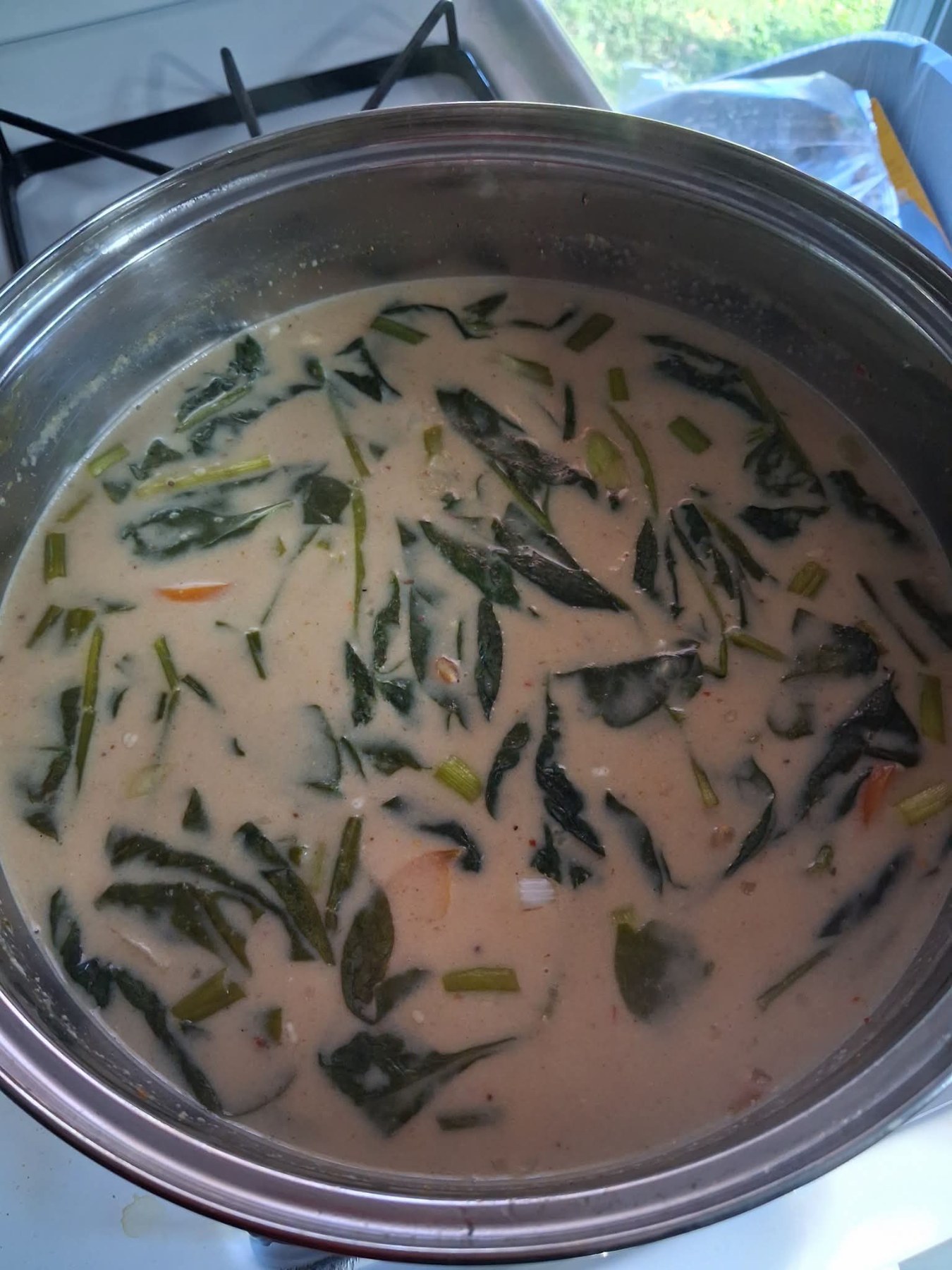
Ginataang Kangkong is a beloved Filipino vegetable stew featuring fresh water spinach simmered in rich, creamy coconut milk. This dish combines simple ingredients like garlic, onion, and chili to create a comforting meal that’s perfect for vegetable lovers and those seeking authentic Filipino flavors. Its creamy texture and aromatic spices make it a standout dish in Filipino home cooking.
With just 10 minutes of preparation and 10 minutes of cooking, Ginataang Kangkong is both accessible and satisfying. Whether you’re new to Filipino cuisine or a longtime fan, this dish showcases how humble ingredients can come together to make a flavorful and creamy stew that’s naturally dairy-free and vegetarian-friendly. It’s ideal for busy weeknights when you want something nourishing, quick, and delicious.
Why you’ll love this Ginataang Kangkong recipe
- It’s a quick and easy vegetable stew that can be prepared in just 20 minutes, making it perfect for busy schedules.
- The creamy coconut milk adds a rich, smooth texture that perfectly complements the fresh and tender kangkong.
- This recipe is naturally dairy-free and vegan-friendly when using salt instead of fish sauce, accommodating various dietary preferences.
- The balance of garlic, onion, and chili creates a flavorful and aromatic dish that excites the palate without overpowering the greens.
- It’s a healthy and comforting way to enjoy leafy greens with a unique Filipino twist, combining nutrition and taste effortlessly.
Ingredients
- 2 bunches kangkong (water spinach), tough ends trimmed and cut into 2-inch lengths
- 2 cups coconut milk
- 1 cup thin coconut milk or water
- 1 small onion, sliced
- 4 cloves garlic, minced
- 1-2 red chilies, sliced
- 1 tablespoon cooking oil
- 1 tablespoon fish sauce or 1 teaspoon salt, to taste
- 1/4 teaspoon ground black pepper
This recipe features kangkong, also known as water spinach, a tender leafy green that cooks quickly and absorbs flavors well. When selecting kangkong, look for fresh, vibrant stems that are firm and leaves that are bright green without yellowing or wilting. The freshness of the kangkong greatly impacts the texture and flavor of the dish. The coconut milk is key for the creamy base, so opt for canned or fresh coconut milk with a good fat content to ensure richness and smoothness. The thin coconut milk or water helps balance the stew’s consistency, preventing it from becoming too thick or heavy. Fresh garlic, onion, and chilies add essential aroma and gentle heat, while fish sauce or salt provides the umami seasoning that rounds out the flavor profile beautifully.
Instructions
- Prepare the kangkong: Wash the kangkong thoroughly and cut into 2-inch pieces, including both leaves and tender stems.
- Sauté aromatics: Heat the cooking oil in a pot over medium heat. Add the sliced onion and minced garlic, sautéing until softened and fragrant, about 2-3 minutes.
- Add chilies: Stir in the sliced red chilies and cook briefly for about 30 seconds to release their flavor.
- Simmer thin coconut milk: Pour in the thin coconut milk or water, then bring to a gentle simmer.
- Season the broth: Add the fish sauce or salt and ground black pepper, stirring to combine.
- Add thick coconut milk: Pour in the thicker coconut milk and simmer gently for 3 to 5 minutes. Avoid boiling vigorously to prevent the coconut milk from splitting.
- Cook kangkong stems: Add the kangkong stems first and cook for about 1 minute to soften.
- Wilt the leaves: Add the kangkong leaves and cook just until wilted, about 1 to 2 minutes more.
- Adjust seasoning and serve: Taste and adjust seasoning if needed. Serve hot for the best flavor and texture.
Tips for the best results
- Use fresh kangkong with tender stems for a pleasant texture and flavor; older, tougher stems can become fibrous and diminish the dish’s tenderness.
- Simmer coconut milk gently to prevent curdling or splitting of the sauce; high heat causes the fat to separate, resulting in an unappealing texture.
- Adjust the number of chilies to control the spiciness according to your preference; starting with fewer allows you to gradually add heat without overpowering the dish.
- Cook stems first as they take longer to soften than the leaves, ensuring even cooking and a balanced texture throughout.
- Use fish sauce for authentic umami, or salt to keep it vegan-friendly; fish sauce adds depth but salt maintains simplicity and accommodates dietary restrictions.
- Serve immediately after cooking to enjoy the vibrant texture of the kangkong; prolonged sitting causes the greens to become soggy and lose their bright color.
Variations and substitutions
- Replace kangkong with other leafy greens like spinach or bok choy if unavailable; these greens offer similar textures and absorb flavors well.
- Use shrimp or small pieces of pork for a non-vegetarian version with more protein, adding heartiness to the stew.
- Swap fish sauce with soy sauce or tamari for a different umami flavor profile, suitable for those avoiding seafood.
- Add sliced tomatoes for a tangy twist and extra color, enhancing the stew’s complexity and brightness.
- Include grated ginger or lemongrass for additional aromatic layers, enriching the flavor with subtle warmth and citrus notes.
Serving suggestions
Ginataang Kangkong is best served hot alongside steamed white rice, which soaks up the creamy coconut sauce and balances the dish’s richness. It pairs wonderfully with grilled or fried fish, such as tilapia or bangus, as well as classic Filipino dishes like adobo or sinigang to create a varied and satisfying meal. For a lighter option, enjoy Ginataang Kangkong as a standalone vegetable stew, perfect for a nutritious lunch or dinner. Adding crusty bread can also provide a delightful way to dip into the luscious sauce. Complement the meal with a side of pickled vegetables or a fresh cucumber salad to add a refreshing contrast and brighten the palate against the richness of the coconut milk.
Storage and reheating
Store any leftovers in an airtight container in the refrigerator for up to 2 days to preserve freshness and flavor. When reheating, warm the stew gently on the stove over low heat, stirring occasionally to prevent the coconut milk from separating or curdling. Avoid reheating on high heat as excessive temperature can cause the sauce to split and affect texture. If the sauce thickens too much after refrigeration, add a splash of water or thin coconut milk to loosen it before serving, restoring the creamy consistency. Proper storage and careful reheating ensure you enjoy the dish’s full flavor and texture even as leftovers.
Frequently asked questions
What is kangkong and where can I find it?
Kangkong, also known as water spinach, is a leafy green vegetable popular in Southeast Asian cuisine. It features tender, hollow stems and delicate leaves with a mild, slightly earthy flavor. You can find fresh kangkong in Asian grocery stores, farmers markets, or specialty produce shops. If fresh kangkong is unavailable, frozen or canned versions may be an alternative, though fresh is preferred for best texture and flavor.
Can I use canned coconut milk for this recipe?
Yes, canned coconut milk works well and is convenient for making Ginataang Kangkong. Use the thicker coconut milk portion for richness and the thinner coconut milk (or dilute the thick coconut milk with water) for the liquid base to achieve the right consistency. It’s best to shake the can or stir the coconut milk before using to combine the cream and liquid evenly, ensuring a smooth stew.
Is Ginataang Kangkong spicy?
The dish’s spiciness depends on how many red chilies you add. Typically, it has a mild to moderate heat that enhances the flavors without overwhelming the dish. You can easily adjust the chili amount to suit your personal taste, from omitting them completely for a mild stew to adding a couple of chilies for a gentle kick.
Can I make this dish vegan?
Absolutely! To make Ginataang Kangkong vegan, simply replace the fish sauce with salt or a vegan fish sauce alternative. This adjustment maintains the savory umami flavor while keeping the dish entirely plant-based and suitable for vegan diets.
How long does it take to cook Ginataang Kangkong?
The total cooking time for Ginataang Kangkong is about 10 minutes, with an additional 10 minutes for preparation, making it a quick and easy meal to prepare in roughly 20 minutes. Its fast cooking time makes it ideal for weeknights or when you want a nutritious meal without spending too much time in the kitchen.
Final thoughts
Ginataang Kangkong is a delicious and comforting Filipino vegetable stew that highlights the creamy richness of coconut milk paired with fresh water spinach. Its simplicity, speed, and flavorful ingredients make it a wonderful addition to any weeknight dinner rotation. Whether you are exploring Filipino cuisine for the first time or looking to enjoy a traditional dish, this recipe offers a nourishing and satisfying experience. Give this easy recipe a try and enjoy a taste of Filipino home cooking that’s both wholesome and flavorful.