
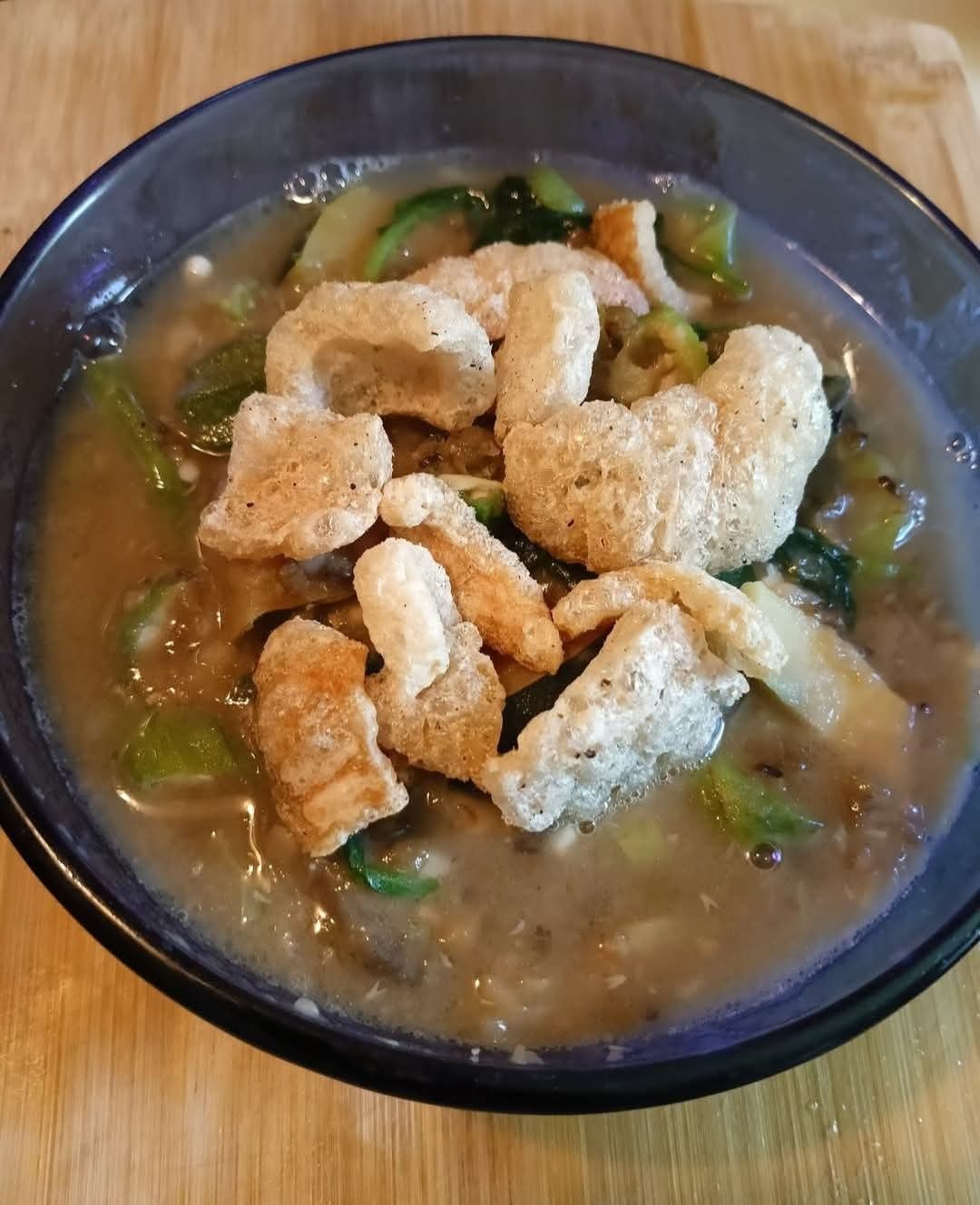
Ginisang Monggo with Chicharron is a beloved Filipino stew featuring tender mung beans simmered to perfection and topped with crispy pork cracklings. This dish offers a comforting, hearty meal ideal for family dinners or whenever you crave something warm and nourishing. Its combination of savory flavors and textures makes it a standout in Filipino cuisine.
Whether you’re an experienced home cook or new to Filipino dishes, this recipe is straightforward and rewarding. Using simple ingredients like mung beans, garlic, and leafy greens, along with the irresistible crunch of chicharron, results in a delicious stew that’s both filling and flavorful.
Why you’ll love this Ginisang Monggo with Chicharron
- This stew is packed with protein and fiber from mung beans, making it nutritious and satisfying.
- The addition of chicharron provides a delightful contrast in texture with its crispy, savory crunch.
- It’s versatile—easily adapted with or without pork, and you can add various leafy greens or bitter melon for extra flavor.
- The recipe is budget-friendly and uses common pantry ingredients, perfect for everyday cooking.
- Ginisang Monggo is a warm, comforting dish that brings a taste of traditional Filipino home cooking to your table.
Ingredients
- 1 cup mung beans
- 5 cups water
- 2 tbsp oil
- 1 small onion, chopped
- 4 cloves garlic, minced
- 2 medium tomatoes, chopped
- 150 g pork belly or 1/2 cup cooked pork bits (optional)
- 2 tbsp fish sauce
- 1-2 cups leafy greens such as spinach or malunggay
- 1 small bitter melon (ampalaya), thinly sliced, optional
- salt, to taste
- ground black pepper, to taste
- 1 cup chicharron, for topping
Prep time: 15 minutes | Cook time: 50 minutes | Servings: 4
The key ingredient in this dish is mung beans, prized for their mild flavor and creamy texture once cooked. Choose good-quality mung beans that are fresh and free from debris. Pork belly adds richness and depth, but you can also use cooked pork bits or skip pork altogether for a vegetarian-friendly option. Fresh leafy greens like spinach or malunggay brighten the stew and provide nutrients. Bitter melon adds a unique slightly bitter taste that balances the richness—use it if you enjoy bold flavors.
Instructions
- Prepare the mung beans: Rinse the mung beans thoroughly and place them in a pot with 5 cups of water. Simmer gently for 35 to 45 minutes until the beans are very soft. Lightly mash some of the beans to create a thickened stew base.
- Sauté aromatics: In a separate pot, heat 2 tablespoons of oil over medium heat. Add the chopped onion, minced garlic, and chopped tomatoes. Cook until softened and fragrant, about 5 minutes.
- Add pork (optional): If using pork belly or cooked pork bits, add them to the pot and cook until lightly browned, releasing their savory flavors.
- Season with fish sauce: Stir in 2 tablespoons of fish sauce to enhance the stew’s umami profile.
- Combine mung beans and simmer: Pour the cooked mung beans along with their cooking liquid into the pot with the sautéed mixture. Simmer for 10 to 15 minutes, allowing the flavors to meld and the stew to thicken but remain spoonable.
- Add greens and bitter melon: Stir in 1 to 2 cups of leafy greens and the thinly sliced bitter melon if using. Cook just until the greens are tender, about 3 to 5 minutes.
- Season to taste: Add salt and ground black pepper according to your preference to balance the flavors.
- Serve with chicharron: Ladle the stew into bowls and top generously with 1 cup of chicharron just before serving to keep it crisp and crunchy.
Tips for the best results
- Soak mung beans for 30 minutes before cooking to reduce cooking time and achieve creamier texture.
- Adjust the amount of water during simmering to control stew thickness based on your preference.
- Use fresh garlic and ripe tomatoes for the most aromatic sauté base.
- If you prefer less bitterness, blanch the bitter melon slices briefly before adding them to the stew.
- Cook pork belly thoroughly until browned to develop deeper flavors and render some fat for richness.
- Add chicharron just before serving to maintain its crisp texture and avoid sogginess.
Variations and substitutions
- Vegetarian: Omit pork and fish sauce, use soy sauce or salt for seasoning instead.
- Seafood twist: Replace pork with shrimp or small fish for a lighter version.
- Different greens: Substitute spinach or malunggay with kale, bok choy, or mustard greens.
- Spicy kick: Add sliced chili peppers or a dash of chili flakes to the sauté for heat.
- Crunch alternative: Use fried garlic or toasted nuts instead of chicharron for a different texture.
Serving suggestions
Ginisang Monggo with Chicharron is best served hot and pairs beautifully with steamed white rice, which helps soak up the flavorful stew. A side of pickled vegetables or a simple fresh salad complements the rich and hearty flavors. For a complete meal, serve with grilled or fried fish to add another protein element. This stew also makes a satisfying lunch or dinner dish on its own.
Storage and reheating
Store leftover Ginisang Monggo in an airtight container in the refrigerator for up to 3 days. The stew may thicken as it cools; add a splash of water when reheating to restore its consistency. Reheat gently over medium heat, stirring occasionally until warmed through. To keep chicharron crispy, add it fresh after reheating just before serving.
Frequently asked questions
Can I make Ginisang Monggo without pork?
Absolutely! You can omit the pork belly or cooked pork bits and still enjoy a delicious vegetarian version. Substitute fish sauce with soy sauce or salt to maintain the savory flavor.
What leafy greens work best in this dish?
Spinach and malunggay (moringa leaves) are traditional choices, but kale, bok choy, or mustard greens can be used as well. Choose tender greens that cook quickly to maintain texture and color.
How long should I cook mung beans for this recipe?
Mung beans should be simmered for about 35 to 45 minutes until very soft. Soaking them beforehand can reduce cooking time. Some beans can be lightly mashed to thicken the stew.
What is the role of chicharron in Ginisang Monggo?
Chicharron adds a crispy, savory topping that contrasts with the creamy texture of the stew. Adding it just before serving keeps it crunchy and enhances the overall flavor experience.
Can I freeze Ginisang Monggo with Chicharron?
It is possible to freeze the stew without the chicharron. Freeze in airtight containers for up to 2 months. Thaw and reheat gently, adding fresh chicharron when ready to serve for best texture.
Final thoughts
Ginisang Monggo with Chicharron is a comforting Filipino classic that balances creamy mung beans with savory pork and crispy toppings. Its hearty, wholesome qualities make it perfect for family meals and special occasions alike. Give this recipe a try to bring a taste of Filipino tradition into your kitchen and enjoy a satisfying dish that’s both simple and flavorful.