
Introduction
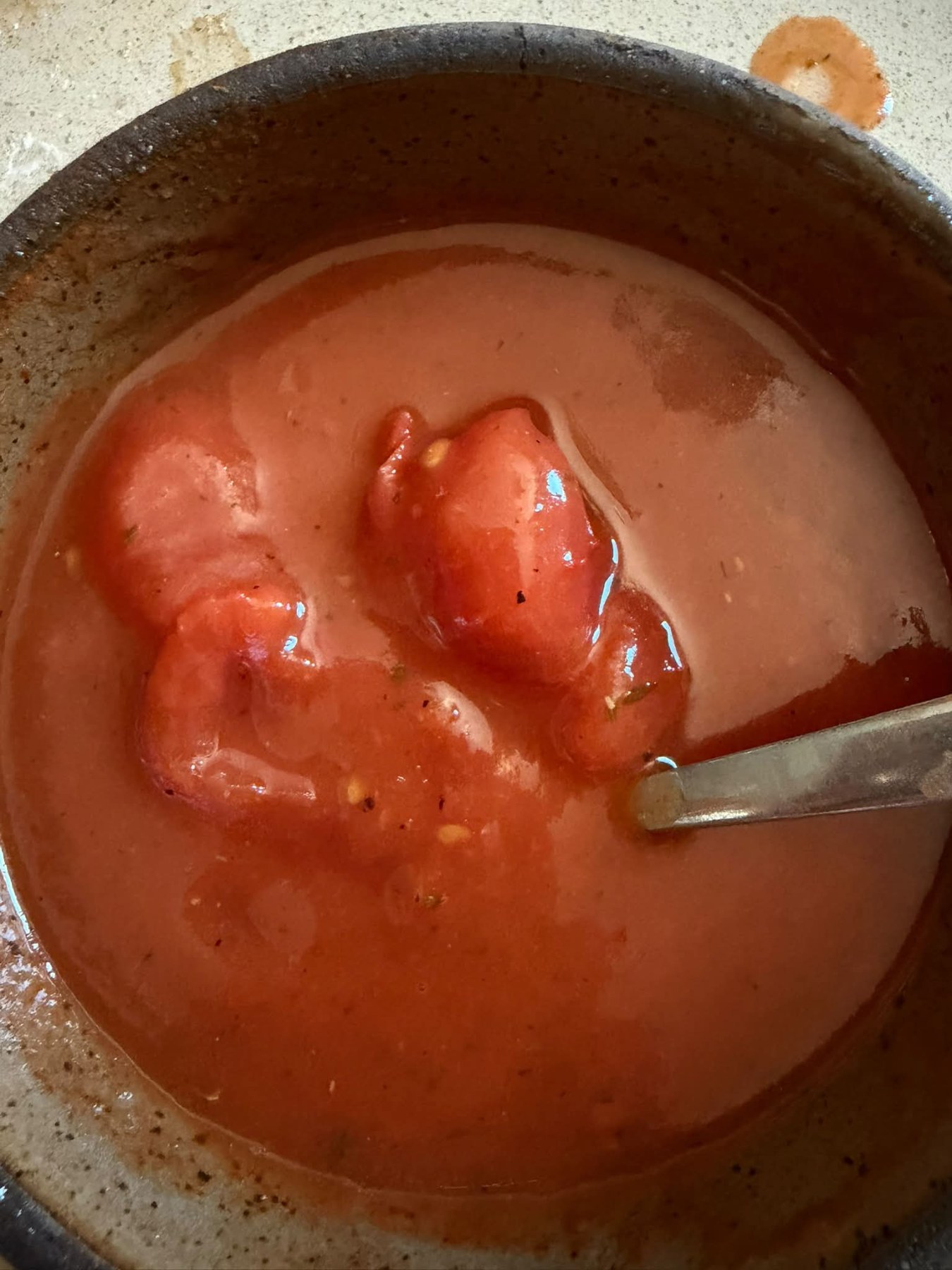
Home-canned whole peeled tomatoes in tomato juice is a classic method for preserving the rich flavor of ripe tomatoes all year round. This recipe captures the essence of fresh tomatoes by peeling and packing them in flavorful tomato juice, making them perfect for sauces, soups, and stews.
Ideal for home cooks who want to enjoy garden-fresh tomatoes beyond the harvest season, this canning process is straightforward and rewarding. With about 30 minutes of prep and 45 minutes of cooking time, you can create about six pint jars of delicious preserved tomatoes that retain their bright taste and texture.
Why you’ll love this Home-Canned Whole Peeled Tomatoes in Tomato Juice
- Preserves the fresh, natural flavor of ripe tomatoes for use all year round.
- Provides a versatile base ingredient for many dishes, including pasta sauces, soups, and stews.
- Uses simple, natural ingredients without preservatives or additives.
- Allows you to control the salt and acidity levels for better taste and safety.
- Offers a satisfying home-canning experience that results in pantry-ready jars you can be proud of.
Ingredients
- 3 kg ripe plum or other meaty tomatoes
- 1.5 liters tomato juice
- 2 tsp canning salt, plus more to taste if serving warm
- 6 tbsp bottled lemon juice (or 1/2 tsp citric acid per pint jar)
- Water, for blanching and ice bath
This recipe relies on ripe, meaty tomatoes like plum tomatoes to provide the best texture and flavor. Tomato juice acts as a flavorful liquid to pack the tomatoes in, infusing them with additional depth. Canning salt enhances the taste and preserves freshness without overpowering. Lemon juice or citric acid is essential to ensure safe acidity during canning. When selecting tomatoes, choose firm, ripe fruits with no blemishes for the best results.
Instructions
- Prepare boiling water and ice bath. Bring a large pot of water to a rolling boil. Meanwhile, fill a large bowl with ice and cold water for an ice bath to stop the cooking process.
- Score and blanch tomatoes. Using a sharp knife, score a small “X” on the bottom of each tomato. Blanch them in the boiling water for 30 to 60 seconds, or until the skins start to loosen.
- Cool and peel. Immediately transfer the tomatoes to the ice bath to cool. Once cooled, peel off the skins carefully. Leave the tomatoes whole or halve very large ones as preferred.
- Heat tomato juice. Pour the tomato juice into a pot and heat it until hot but not boiling. Keep it warm for filling jars.
- Pack jars with tomatoes and lemon juice. Sterilize your pint jars. Pack the peeled tomatoes into each jar, adding 1 tablespoon bottled lemon juice or 1/2 teaspoon citric acid per pint jar, along with 1/2 teaspoon salt if desired.
- Fill jars with hot tomato juice. Pour the hot tomato juice over the tomatoes, leaving about 1/2 inch of headspace. Use a non-metallic utensil to remove any air bubbles and adjust the liquid level as needed.
- Seal and process jars. Wipe the rims of the jars clean, apply sterilized lids, and process them in a boiling-water canner. Processing time is typically about 40 minutes for pint jars and 45 minutes for quart jars, adjusted for altitude.
- Cool jars completely. Allow the jars to cool undisturbed until fully set. When ready to use, empty a jar into a bowl or pot and warm gently if serving warm.
Tips for the best results
- Use fully ripe, firm tomatoes for the best texture and flavor retention after canning.
- Ensure your jars and lids are properly sterilized to prevent spoilage.
- Don’t skip the ice bath after blanching; it stops the cooking and makes peeling easier.
- Maintain the proper headspace to allow for expansion during processing and avoid jar breakage.
- Use bottled lemon juice or food-grade citric acid to ensure consistent acidity and safe preservation.
- Adjust salt according to your taste preference, especially if you plan to use the tomatoes warm or fresh.
Variations and substitutions
- Use different tomato varieties: Try Roma or beefsteak tomatoes for a slightly different texture and flavor.
- Spiced tomato juice: Add herbs like basil or oregano to the tomato juice before heating for a flavored variation.
- Low-sodium option: Omit or reduce salt for a low-sodium version, adjusting seasoning when cooking.
- Citric acid substitute: Use vinegar as an alternative acidifying agent if lemon juice or citric acid is unavailable.
- Chunked tomatoes: Instead of whole, chop tomatoes into chunks for quicker use in recipes.
Serving suggestions
Home-canned whole peeled tomatoes in tomato juice are incredibly versatile. Use them as a base for homemade pasta sauces, simmer them with herbs for rich soups, or add them to stews and chili for a burst of fresh tomato flavor. They can also be blended into smoothies or salsas. Warm gently before serving to preserve their texture and taste, or add directly to dishes during cooking.
Storage and reheating
Store your sealed jars in a cool, dark place for up to one year. Once opened, refrigerate the contents and use within 5 to 7 days. To reheat, gently warm the tomatoes in a saucepan on low heat to avoid breaking down their texture. Avoid boiling to maintain the best flavor and consistency.
Frequently asked questions
Can I use fresh lemon juice instead of bottled lemon juice?
It’s best to use bottled lemon juice for canning because it has a consistent acidity level, which ensures safe preservation. Fresh lemon juice can vary in acidity and may not provide the necessary safety margin.
How do I know if my canned tomatoes are safe to eat?
Check that the jars have sealed properly with lids that do not flex up or down when pressed. Look for any signs of spoilage such as off smells, mold, or discoloration. When in doubt, discard the contents to stay safe.
Can I freeze whole peeled tomatoes instead of canning?
Yes, freezing is an option but the texture changes; canned tomatoes retain firmness better. Freezing is quicker and easier but may result in softer tomatoes once thawed.
What is the purpose of blanching the tomatoes?
Blanching loosens the tomato skins, making them easy to peel. It also helps preserve the tomatoes’ color and texture during canning.
Why is it important to add lemon juice or citric acid?
Adding acid ensures the tomatoes are safely preserved by lowering the pH, preventing the growth of harmful bacteria during the canning process.
Final thoughts
Making home-canned whole peeled tomatoes in tomato juice is a rewarding way to enjoy the taste of summer tomatoes year-round. This simple recipe provides a pantry staple that enhances countless dishes with fresh tomato flavor. Give it a try and savor the satisfaction of homemade preserved tomatoes ready for your next meal.