
Introduction
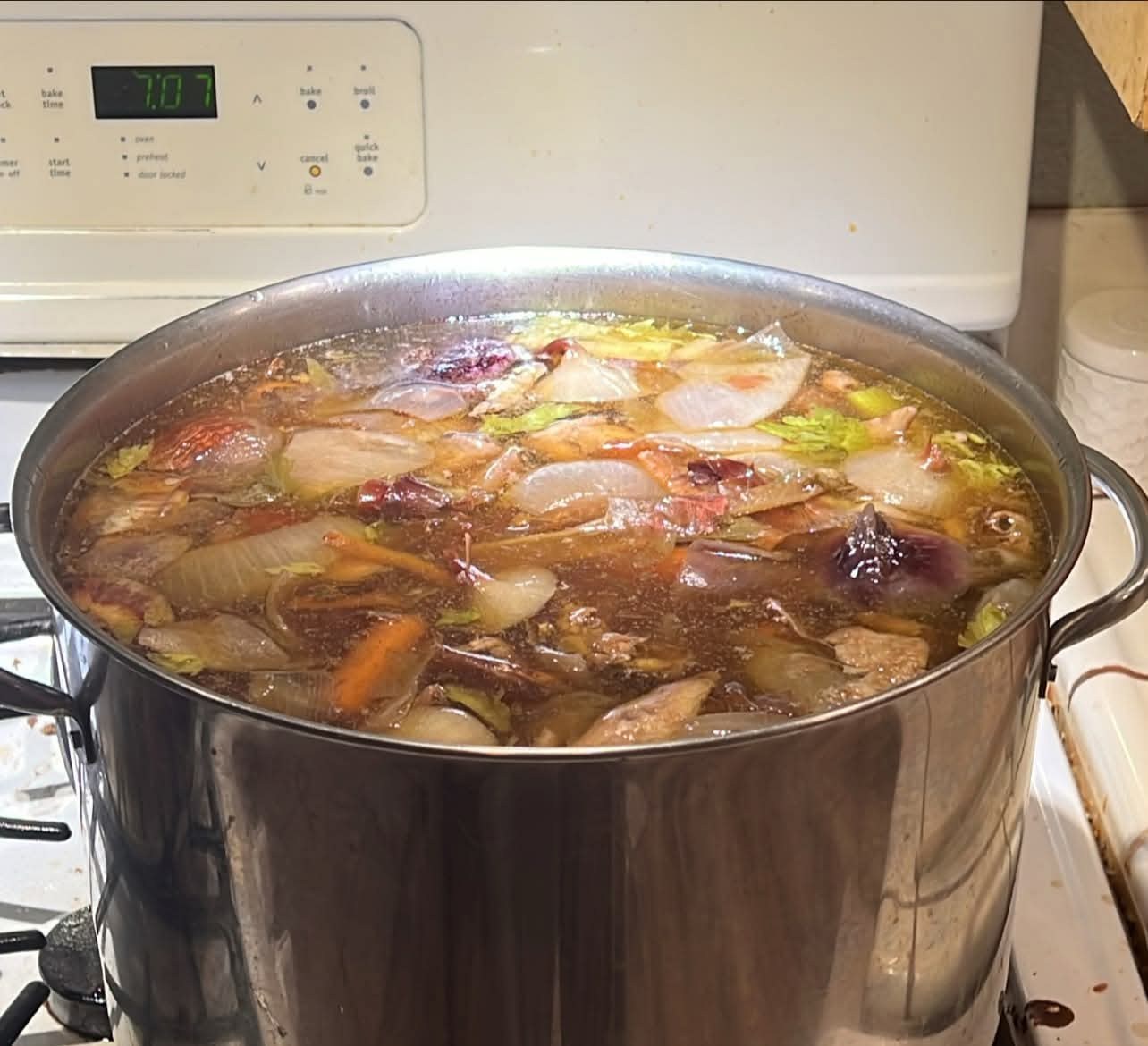
Homemade brown stock is a deeply flavorful and richly textured base made by roasting bones and vegetables before simmering them slowly to extract maximum taste and gelatin. This foundational recipe is indispensable for home cooks who want to elevate their soups, stews, sauces, and braises with a natural, complex broth that adds depth and body.
Whether you prefer beef bones for a robust, hearty stock or chicken carcasses for a lighter yet still richly flavored version, this homemade brown stock recipe delivers versatility and satisfaction. Ideal for cooks who appreciate authentic, from-scratch cooking, it requires just about 20 minutes of active prep and then a long simmering period of 4 to 8 hours, allowing patience to transform simple ingredients into a luscious liquid gold that enhances any dish.
Why you’ll love this Homemade Brown Stock
- Roasting the bones before simmering creates a deep, caramelized flavor and a beautiful dark color that basic stocks lack.
- Using whole, natural ingredients guarantees a clean and pure taste free from artificial additives or preservatives.
- This stock serves as a versatile base that enriches a wide variety of dishes including soups, stews, gravies, sauces, and braises.
- Slow, gentle simmering over several hours develops complex, layered flavors and a velvety mouthfeel from extracted gelatin.
- Making your own stock gives you full control over the salt and fat content, enabling a healthier, customized broth tailored to your preferences.
Ingredients
- 4 to 5 lb beef bones or chicken carcasses, wings, or backs
- 2 large onions, quartered
- 3 carrots, cut into large chunks
- 3 celery stalks, cut into large chunks
- 2 bay leaves
- 1 tsp whole black peppercorns
- 1 small bunch parsley stems or a few thyme sprigs
- 1 tbsp tomato paste (optional, for darker brown stock)
- 12 to 16 cups cold water
- 1 tsp kosher salt (optional; many stocks are left unsalted)
This recipe yields approximately 3 to 4 quarts of rich, flavorful stock. The most important components are the bones or carcass pieces, which contribute gelatin and a deep meaty flavor essential for body and mouthfeel. Aromatic vegetables such as onions, carrots, and celery provide natural sweetness and complexity, balancing the stock’s richness. Fresh herbs like parsley stems or thyme add subtle herbal notes that enhance the overall profile. When selecting bones, choose those with some marrow and connective tissue, as these parts release collagen that thickens and enriches the stock. Tomato paste is optional but highly recommended for a darker color and intensified savory flavor characteristic of classic brown stock.
Instructions
- Roast the bones: Preheat your oven to 425°F (220°C). Arrange the bones in a single layer in a roasting pan and roast for 35 to 45 minutes until they develop a deep brown crust. For the last 20 minutes of roasting, add the quartered onions, carrot chunks, and celery to the pan to lightly brown them alongside the bones, enhancing the stock’s flavor with caramelized aromatics.
- Transfer to stockpot: Carefully move the roasted bones and vegetables into a large stockpot. Pour off any excess fat collected in the roasting pan, then deglaze the pan by adding a small amount of water and scraping up the browned bits stuck to the bottom. These browned bits are packed with flavor, so add this liquid to the stockpot to enrich the stock.
- Add herbs and liquids: Add the bay leaves, whole black peppercorns, parsley stems or thyme sprigs, and the optional tomato paste to the pot. Pour in 12 to 16 cups of cold water, just enough to cover the bones and vegetables by 1 to 2 inches. If desired, add 1 teaspoon kosher salt, but many cooks prefer to leave the stock unsalted to control seasoning later in recipes.
- Bring to a simmer: Place the pot over medium heat and slowly bring the liquid to a gentle simmer. Avoid boiling, as vigorous boiling can emulsify fat and create a cloudy stock. During the first 30 minutes, skim off any foam or impurities that rise to the surface using a ladle or skimmer; this helps keep the stock clear and clean-tasting.
- Simmer gently: Reduce the heat to low to maintain a bare simmer. Let the stock cook gently for 4 to 6 hours if using chicken bones, or 6 to 8 hours for beef bones. Throughout cooking, check occasionally and add small amounts of water as needed to keep the bones and vegetables submerged, ensuring consistent extraction.
- Strain and cool: After simmering, carefully strain the stock through a fine-mesh sieve into a clean pot or large bowl to remove all solids including bones, vegetables, and herbs. Discard the solids. To preserve freshness and safety, cool the stock rapidly by placing the container in an ice bath or dividing into smaller portions. Once cooled, refrigerate. After chilling, you may remove any solidified fat on top if you prefer a leaner stock.
Tips for the best results
- Roast bones until deeply browned but not burnt: This caramelization develops complex Maillard flavors that form the backbone of a rich brown stock.
- Start with cold water: Using cold water allows the gradual extraction of gelatin and minerals from the bones as the temperature slowly rises, resulting in a fuller-bodied stock.
- Maintain a gentle simmer: Avoid boiling, which agitates the liquid and emulsifies fat and impurities, causing cloudiness and off-flavors in the finished stock.
- Skim foam and fat early and regularly: Removing scum and excess fat during the first hour keeps the stock clear, improves taste, and prevents bitterness from impurities.
- Incorporate tomato paste: Adding tomato paste before simmering boosts the stock’s color and adds subtle acidity and umami that deepen the flavor.
- Cool stock quickly after cooking: Rapid cooling inhibits bacterial growth and preserves freshness and flavor integrity, especially important if storing for several days.
Variations and substitutions
- Combine beef and veal bones for an even more gelatinous, flavorful stock with a delicate sweetness.
- Add roasted garlic cloves or leeks alongside the vegetables for an aromatic boost and additional savory complexity.
- Swap parsley stems for thyme sprigs depending on your herb preference; thyme adds earthier notes while parsley offers freshness.
- Include dried mushrooms such as porcini during simmering to impart a deep, earthy umami flavor that complements the rich stock.
- For a lighter stock, use only chicken bones and reduce the simmering time to 4 to 6 hours for a delicate but flavorful broth.
Serving suggestions
Homemade brown stock is a cornerstone ingredient for countless classic and modern dishes. Use it as the flavorful foundation for hearty beef stews, where its rich depth enhances tender meat and vegetables. It forms the base for luxurious gravies and classic French sauces like demi-glace, adding body and complexity. Incorporate it into braised dishes or risottos to impart subtle meaty undertones and moisture. When serving, the confidence of knowing your dishes start with a deeply satisfying, homemade stock will elevate your cooking to the next level.
Storage and reheating
Store homemade brown stock in airtight containers in the refrigerator for up to 4 days. For longer storage, freeze the stock in portioned containers or ice cube trays, allowing you to thaw just the amount needed for recipes. Properly frozen stock retains its flavor and quality for 3 to 6 months. When reheating, warm gently over low heat and stir occasionally to ensure even heat distribution. Avoid boiling after reheating, as this can break down the gelatin and degrade the delicate flavors, resulting in a less appealing texture and taste.
Frequently asked questions
What is the difference between brown stock and white stock?
Brown stock is made by roasting the bones and vegetables before simmering, which creates a darker color and a richer, more complex flavor profile due to caramelization and Maillard reactions. White stock skips the roasting step, resulting in a lighter-colored, more delicate broth that is often used when a subtler flavor is desired.
Can I use leftover bones from a roast?
Yes, leftover roasted bones are excellent for making brown stock since they already have developed some roasted flavors. To ensure balance, add fresh vegetables and herbs during simmering for brightness and complexity. Simmer gently to extract maximum flavor without bitterness.
Why is it important to skim foam during cooking?
Skimming foam removes impurities, coagulated proteins, and excess fat that rise to the surface during simmering. This process results in a clearer, cleaner-tasting stock by preventing off-flavors and cloudiness. Regular skimming early in cooking also improves the stock’s appearance and texture.
How long can I store homemade stock in the freezer?
When stored properly in airtight containers or freezer bags, homemade stock can maintain its quality for 3 to 6 months in the freezer. Label containers with the freezing date to keep track. For convenience, freezing in ice cube trays allows you to thaw small amounts as needed.
Can I make brown stock in a slow cooker?
Absolutely. Roast the bones first as directed, then transfer them with vegetables and aromatics to a slow cooker. Cook on low for 8 to 12 hours to develop rich, concentrated flavors without constant attention. This method is especially convenient for busy cooks wanting hands-off slow simmering.
Final thoughts
Crafting homemade brown stock is a rewarding culinary tradition that adds remarkable depth and authenticity to your cooking. With straightforward ingredients and slow simmering, you unlock a rich, gelatinous broth that enhances countless dishes from simple soups to elegant sauces. Embrace this recipe to experience the satisfaction of creating your own flavorful foundation and elevate your meals with the unmistakable taste of homemade stock.