
Introduction
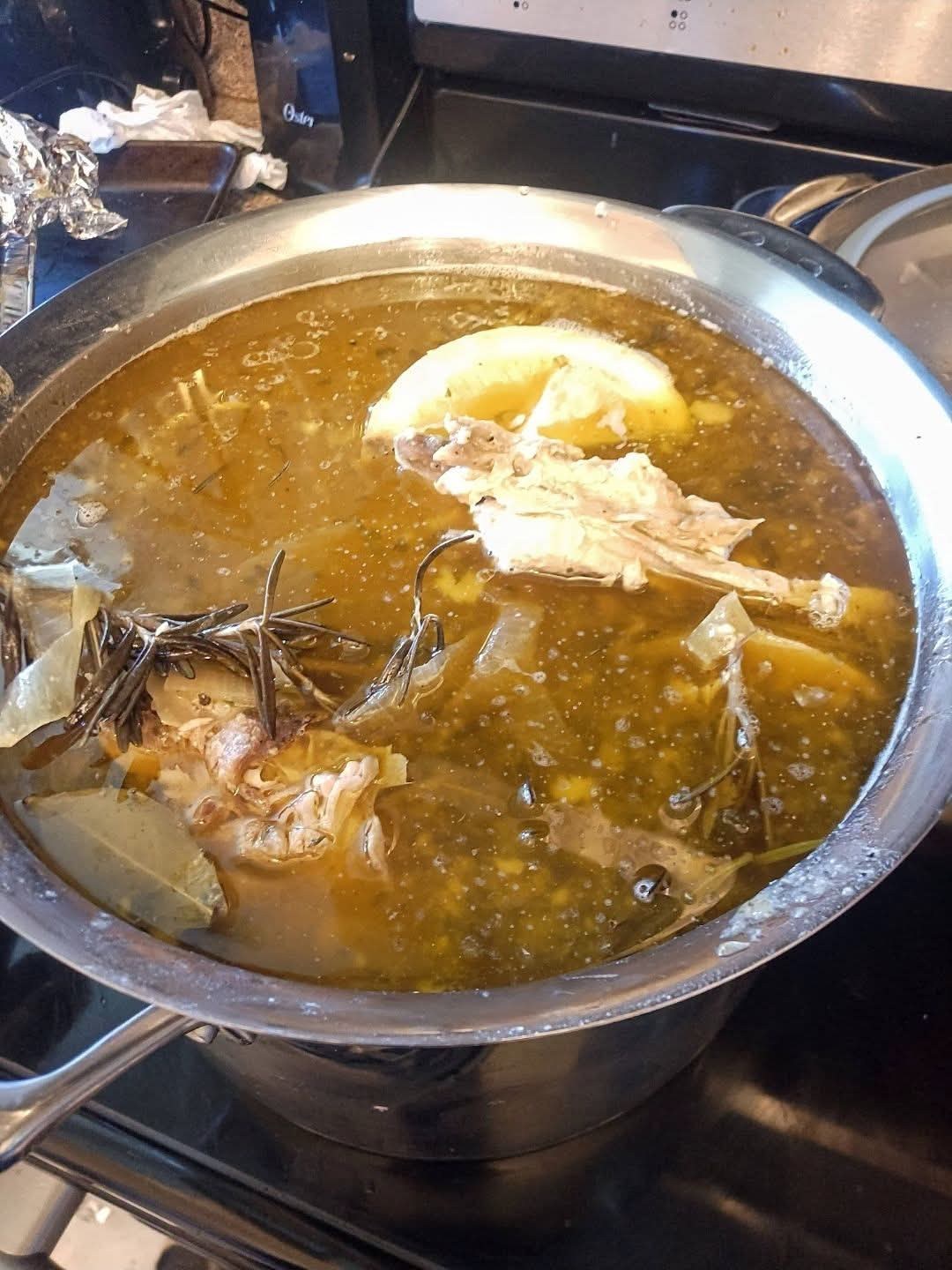
Homemade chicken stock is a fundamental kitchen staple that can elevate everyday cooking by adding deep, savory flavor and richness. This recipe guides you through creating a rich, flavorful chicken stock from scratch using basic, wholesome ingredients like a chicken carcass, fresh vegetables, and fragrant herbs. Whether you’re a novice cook or an experienced home chef, making your own stock allows you to control the quality and taste, resulting in a superior base for countless dishes.
With just about 15 minutes of prep time and 4 hours of slow simmering, this recipe yields approximately 10 cups of versatile stock. This homemade stock is ideal for soups, stews, risottos, gravies, and sauces, giving you the freedom to adjust salt and seasoning levels to your liking. Let’s explore a detailed, step-by-step method that’s straightforward and delivers rewarding results.
Why you’ll love this Homemade Chicken Stock
- It uses simple, affordable ingredients you likely have on hand, reducing food waste and saving money.
- The long, slow simmer draws out maximum flavor and gelatin from the chicken bones and vegetables, creating a rich, silky texture.
- You can personalize the herbs and seasoning to perfectly complement your recipes and taste preferences.
- Making your own stock ensures no additives or preservatives, providing a clean, natural flavor that store-bought versions lack.
- The resulting stock freezes exceptionally well, allowing you to prepare large batches and have flavorful broth ready anytime.
Ingredients
- 1 chicken carcass plus 1-2 lb chicken backs/wings
- 1 large onion, quartered
- 2 celery stalks, roughly chopped
- 2 carrots, roughly chopped
- 4 cloves garlic, smashed
- 3 bay leaves
- 2 sprigs rosemary
- 6 sprigs parsley
- 1 tsp black peppercorns
- 1 lemon half (optional)
- 12 cups cold water
- 1 tsp kosher salt (optional, or leave unsalted for stock)
Prep time: 15 minutes | Cook time: 4 hours | Yields about 10 cups
The cornerstone of this stock is the chicken carcass combined with backs or wings, which provide essential collagen and rich flavor that give the stock body and mouthfeel. Fresh vegetables such as onion, celery, and carrots add natural sweetness and aromatic depth, balancing the savory notes. The herbs—bay leaves, rosemary, and parsley—layer in subtle complexity and freshness. Starting with cold water is crucial as it helps extract flavors gradually during the simmering process, resulting in a clearer broth. For best results, choose fresh, organic vegetables and a good quality chicken carcass. For a deeper, more intense flavor, consider roasting the bones and vegetables before simmering to develop caramelized notes.
Instructions
- Combine chicken and vegetables: Place the chicken carcass and backs or wings into a large stockpot. Add the quartered onion, chopped celery, carrots, smashed garlic, bay leaves, rosemary, parsley, peppercorns, and the optional lemon half.
- Add cold water: Pour in 12 cups of cold water, covering the solids by about an inch to ensure even extraction during cooking.
- Bring to a gentle simmer: Heat over medium heat until the stock just begins to simmer gently. Avoid boiling vigorously to keep the stock clear.
- Skim impurities: During the first 20 to 30 minutes, skim off any foam or excess fat that rises to the surface to keep the stock clean and flavorful.
- Simmer slowly: Reduce the heat to low and let the stock simmer gently for 3 to 4 hours, partially covered. Add a little water if needed to keep all ingredients submerged.
- Strain the stock: Use tongs to remove the large bones and herbs, then strain the liquid through a fine-mesh sieve into a clean container.
- Cool and store: Cool the stock quickly, refrigerate, and remove the hardened fat if desired before use. Use within 4 days or freeze for longer storage.
Tips for the best results
- Start with cold water: Using cold water slows the extraction process, allowing flavors and collagen to infuse gradually. This prevents the stock from becoming cloudy and ensures a cleaner taste.
- Regularly skim the surface: Removing foam and impurities during the first 30 minutes prevents unwanted flavors and keeps the stock clear and bright in appearance.
- Maintain a gentle simmer: A low, steady simmer avoids agitation that can break down fats and proteins excessively, which would cloud the stock and create a greasy texture.
- Partially cover the pot: Leaving the pot partially covered balances evaporation and moisture retention, concentrating flavors without drying out the ingredients.
- Top up with water as needed: Keeping the bones and vegetables submerged ensures even flavor extraction and prevents any drying or burning on the bottom of the pot.
- Cool rapidly after cooking: Placing the pot in an ice bath or dividing the stock into smaller containers cools it quickly, reducing the risk of bacterial growth and preserving freshness.
Variations and substitutions
- Roast the chicken bones and vegetables: This adds a deep, caramelized flavor and darker color to your stock, perfect for heartier dishes.
- Add thyme or sage: Including these herbs alongside rosemary and parsley introduces different herbal layers, enhancing complexity.
- Use other chicken parts: Incorporate necks or feet which are rich in collagen, resulting in a gelatinous, silky stock.
- Substitute lemon with apple cider vinegar: A splash of vinegar helps draw minerals from the bones, boosting the stock’s nutritional value and flavor.
- Make a vegetable stock: Omit chicken and increase quantities of carrots, celery, and onion for a vegetarian-friendly broth.
Serving suggestions
Homemade chicken stock is an incredibly versatile base that can transform many dishes. Use it as the foundation for classic chicken soup, adding noodles or vegetables for a comforting meal. It makes risottos creamier and more flavorful by cooking the rice in stock instead of water. Incorporate it into gravy or pan sauces to enrich the taste and depth. You can also serve the stock simply as a warm, nourishing broth—garnished with fresh herbs and a sprinkle of cracked black pepper—for a light starter or a soothing drink after a long day. Its rich flavor and natural gelatin provide a satisfying mouthfeel that enhances any recipe.
Storage and reheating
Store homemade chicken stock in airtight containers in the refrigerator for up to 4 days to maintain freshness. For longer storage, freeze the stock in portion-sized containers or ice cube trays, making it easy to thaw just what you need. When reheating, warm the stock slowly over medium-low heat to preserve its clarity and flavor; avoid boiling as it can break down the gelatin and cause cloudiness. After chilling, you may notice a layer of fat solidified on top—this can be skimmed off for a leaner stock or stirred back in for added richness.
Frequently asked questions
Can I use raw chicken instead of carcass for stock?
Yes, you can use raw chicken parts such as wings, backs, or necks for stock. However, a carcass or bones provide more collagen and gelatin, which give the stock body and a richer mouthfeel. Raw meat adds flavor but typically results in a lighter, less gelatinous broth. Combining both bones and meat can yield a well-rounded stock.
Do I need to add salt to homemade chicken stock?
Adding salt to your stock is optional. Leaving it unsalted allows you to control seasoning more precisely when using the stock in recipes later. If you prefer a lightly seasoned stock, adding about a teaspoon of kosher salt during cooking can enhance the natural flavors. Just be mindful of salt content if you plan to reduce the stock or use it in dishes that will be salted separately.
Why should I avoid boiling the stock?
Boiling the stock causes fats and impurities to emulsify into the liquid, resulting in a cloudy appearance and greasy texture. Vigorous boiling can also break down delicate flavors and proteins, making the stock taste flat or harsh. Maintaining a gentle simmer extracts flavors slowly and keeps the stock clear, clean, and balanced.
How long can I store chicken stock safely?
Refrigerated homemade chicken stock can be safely stored for up to 4 days. For longer storage, freezing is recommended and the stock will maintain quality for 3 to 4 months. Always cool the stock quickly before refrigerating or freezing to minimize bacterial growth and preserve freshness.
Can I add other vegetables or herbs?
Absolutely. Adding vegetables like leeks, parsnips, or fennel can introduce unique flavor nuances. Herbs such as thyme, sage, or tarragon complement the classic herb mix well. However, avoid strong-flavored vegetables like cabbage or broccoli, which can overpower the delicate balance of the stock.
Final thoughts
Making homemade chicken stock is a simple yet deeply rewarding process that enhances your cooking with natural, rich flavors and wholesome ingredients. This easy-to-follow recipe empowers you to create a flavorful, versatile base that brings depth and warmth to soups, sauces, and many other dishes. Take the time to prepare your own stock and discover how it elevates everyday meals into something truly special.