
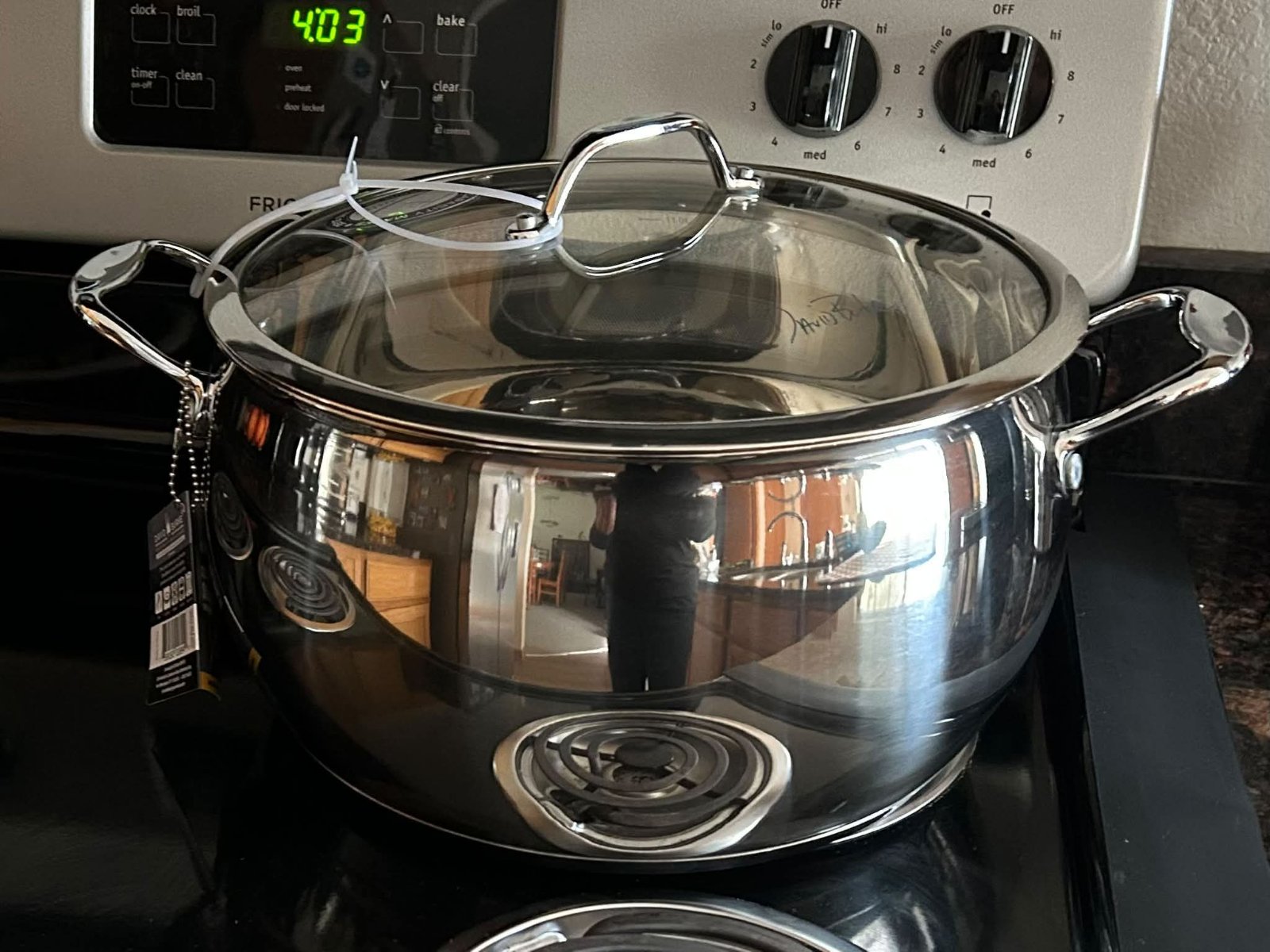
How to Make a Delicious Homemade One-Pot Stew
Creating a delicious homemade one-pot stew is not only an enjoyable culinary experience but also a practical way to prepare a hearty meal. This article will guide you through the essential steps and ingredients needed to make a flavorful one-pot stew that your family and friends will love. We will also explore various variations and tips to help you customize the recipe to your taste. Whether you’re a seasoned cook or a novice, this guide offers valuable insights.
Ingredients for a Basic One-Pot Stew
To start, gather these fundamental ingredients which are easy to find and packed with flavor:
Proteins
1. Beef: Choose cuts like chuck, brisket, or round for a tender result.
2. Chicken: Bone-in pieces like thighs or drumsticks impart richer flavor.
3. Vegetarian Option: Use mushrooms, lentils, or chickpeas as protein alternatives.
Vegetables
1. Root Vegetables: Carrots, potatoes, and parsnips add texture.
2. Onions and Garlic: Essential for building flavor.
3. Celery: Provides a crisp texture and enhances the overall taste.
4. Bell Peppers: For added sweetness and color.
Liquids
1. Broth or Stock: Beef, chicken, or vegetable stock acts as the base.
2. Tomato Paste: Adds depth and a slight acidity to balance flavors.
3. Wine: A splash of red wine can elevate the stew flavor profile.
Seasonings
1. Herbs: Fresh or dried herbs like thyme, rosemary, and bay leaves work wonderfully.
2. Spices: Salt, black pepper, and paprika for extra warmth.
3. Other Enhancements: Worcestershire sauce and soy sauce can amplify umami flavors.
Step-by-Step Guide to Making One-Pot Stew
Step 1: Prepare Your Ingredients
Before you start, ensure that all the ingredients are prepped. Chop the vegetables into uniform pieces for even cooking, and cut your choice of protein into bite-sized chunks.
Step 2: Sauté the Aromatics
In a large pot or Dutch oven, heat 2 tablespoons of olive oil over medium heat. Add chopped onions and minced garlic, then sauté until they are soft and translucent, approximately 5 minutes. This step creates a flavor base for your stew.
Step 3: Brown the Protein
Increase the heat to medium-high, then add your choice of protein. Season with salt and pepper, and cook until browned on all sides, about 5-7 minutes. This browning adds a rich flavor. If using vegetarian options, skip this step and proceed directly to the vegetables.
Step 4: Add Vegetables
Once the protein is browned, stir in the root vegetables (carrots, potatoes, celery, bell peppers). Sauté for another 5 minutes, letting the vegetables absorb some of the delicious flavors.
Step 5: Deglaze the Pot
Pour in a splash of wine (optional) and scrape any browned bits from the bottom of the pot. This process, known as deglazing, adds depth to your stew.
Step 6: Incorporate Liquids and Seasonings
Add enough broth or stock to cover the ingredients, usually around 4 cups. Mix in a tablespoon of tomato paste, along with your chosen herbs and spices. Bring the mixture to a simmer.
Step 7: Simmer
Cover the pot and reduce the heat to low. Let the stew simmer for 1-2 hours. The low and slow cooking allows the flavors to meld and the meat (if using) to become tender. You may need to check occasionally and stir to prevent sticking.
Step 8: Adjust Seasoning
Taste your stew as it simmers, and adjust the seasoning as needed. If you desire a bit more acidity, you can add a splash of vinegar or lemon juice just before serving.
Variations of One-Pot Stew
One of the beautiful aspects of making a one-pot stew is its versatility. Here are some variations to spark your creativity:
1. Mediterranean Vegetable Stew
Incorporate zucchini, eggplant, and chickpeas with classic Mediterranean spices like oregano and basil. Use vegetable broth as the base for a lighter stew.
2. Spicy Chicken and Bean Stew
Add diced tomatoes, black beans, and chili powder for a kick. Serve with fresh cilantro for a zestful finish.
3. Creamy Mushroom Stew
Opt for a creamy base by stirring in heavy cream or coconut milk towards the end of cooking. This version pairs wonderfully with crusty bread.
4. Irish Beef Stew
Use Guinness stout for a rich flavor, complemented by a mix of root vegetables and herbs. Serve this hearty dish with soda bread for a traditional touch.
Tips for the Perfect One-Pot Stew
– Choose the Right Pot: A heavy-bottomed pot helps distribute heat evenly, preventing burning.
– Don’t Rush the Cooking: Allow time for the flavors to develop by simmering adequately.
– Leftovers are Key: Stews often taste better the next day as flavors continue to meld.
– Stir Occasionally: To prevent the ingredients from sticking and ensure even cooking, remember to stir periodically.
Conclusion
Making a delicious homemade one-pot stew is an art that can be mastered with time and practice. This versatile dish not only provides warmth and comfort but also allows you to experiment with various ingredients and flavors. Whether you prefer a classic beef stew or a vibrant vegetarian option, the principles outlined in this article can guide you to create a memorable meal. Enjoy the process, and relish the delightful aromas filling your kitchen—there’s nothing quite like a steaming pot of stew to bring family and friends together. Happy cooking!