
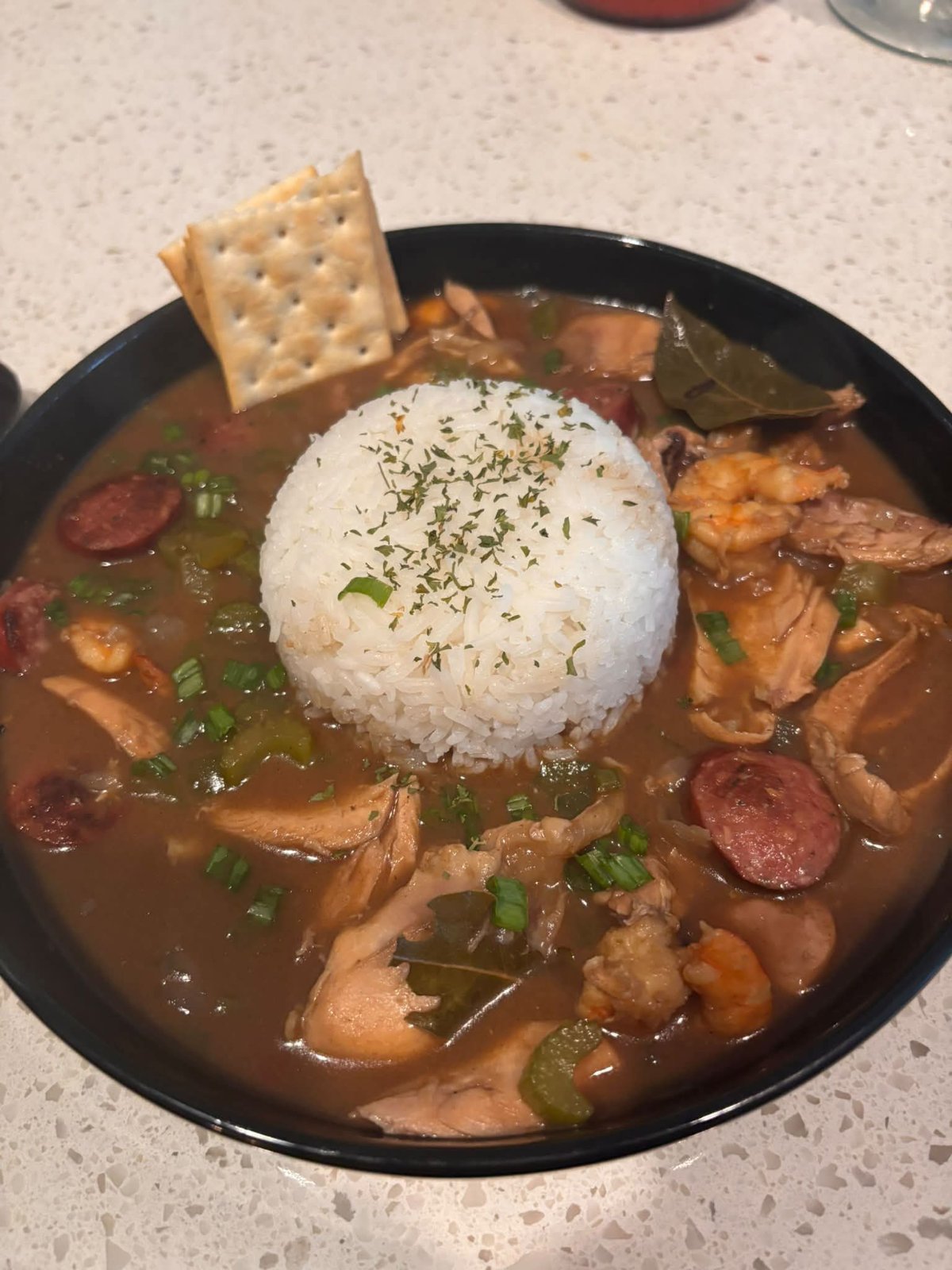
Louisiana Homemade Gumbo – A True Southern Classic
Louisiana gumbo is more than just a dish; it’s a celebration of culture, culinary traditions, and community gatherings. This flavorful stew reflects the rich history of the South, combining influences from various cultures such as African, Cajun, and Creole. In this article, we explore the origins of gumbo, its main ingredients, and how to make an authentic Louisiana gumbo that will transport your taste buds straight to the bayous of Louisiana.
The History of Gumbo
To understand Louisiana gumbo, one must appreciate its historical roots. Gumbo has origins traced back to the early Native American tribes and European settlers, who blended their culinary practices with ingredients found in the region. The word “gumbo” is believed to derive from the West African word “ki ngombo,” which refers to okra, a key thickening agent often used in the dish. Over the years, gumbo recipes have evolved, varying in style and flavor based on local ingredients and traditions.
Key Ingredients in Louisiana Gumbo
1. The Roux
One of the defining characteristics of gumbo is the roux. A roux is a mixture of flour and fat (usually oil or butter) that is cooked until it reaches a deep brown color. This crucial element provides a depth of flavor and thickens the gumbo, giving it a rich and hearty texture. The process of making a roux is an art; it requires attention and patience as it cooks slowly over low heat.
2. The Holy Trinity
In Louisiana cooking, the term “Holy Trinity” refers to a mix of three foundational ingredients: onion, bell pepper, and celery. These vegetables form the aromatic base of many Southern dishes, including gumbo. When sautéed together, they create a robust flavor that complements the other ingredients in the dish.
3. Proteins
Gumbo can be made with a variety of proteins. Common choices include andouille sausage, chicken, shrimp, and crab. Each of these proteins adds its unique flavor profile, allowing for endless variations to suit personal tastes. The combination of meats creates a hearty stew that is both satisfying and delicious.
4. The Stock
A flavorful stock is the backbone of any good gumbo. Traditionally, a dark chicken stock or seafood stock is used, providing a rich base for the stew. You can make your stock from scratch or use store-bought options. However, for the best flavor, homemade stock is recommended.
5. Seasoning and Spices
Seasoning is vital in gumbo. The use of Cajun or Creole seasoning blends adds warmth, depth, and complexity to the dish. Key spices typically include cayenne pepper, thyme, bay leaves, and black pepper. Fresh herbs, such as parsley and green onions, are often added just before serving for a burst of freshness.
How to Make Authentic Louisiana Homemade Gumbo
Ingredients
– For the Roux:
– ½ cup vegetable oil
– ½ cup all-purpose flour
– For the Gumbo:
– 1 medium onion, diced
– 1 green bell pepper, diced
– 2 stalks celery, diced
– 1 pound andouille sausage, sliced
– 1 pound chicken thighs, boneless and diced
– 1 pound shrimp, peeled and deveined
– 6 cups chicken stock
– 2 cups okra, sliced (fresh or frozen)
– 2 tablespoons Cajun seasoning
– 2 teaspoons dried thyme
– 2 bay leaves
– Salt and black pepper, to taste
– 1 cup green onions, sliced (for garnish)
– Chopped fresh parsley (for garnish)
– Cooked white rice (for serving)
Instructions
1. Make the Roux:
In a heavy-bottomed pot or Dutch oven, heat the vegetable oil over medium heat. Slowly whisk in the flour, stirring constantly to prevent burning. Cook the roux for 20-30 minutes, or until it reaches a rich, dark brown color. Be careful not to let it burn, as burnt roux can ruin the flavor of your gumbo.
2. Sauté the Vegetables:
Once the roux is ready, add the diced onions, bell peppers, and celery to the pot. Stir the mixture and cook for about 5-7 minutes until the vegetables are soft and fragrant.
3. Add the Meats:
Stir in the sliced andouille sausage and diced chicken thighs. Cook for another 5 minutes, allowing the meat to brown slightly.
4. Incorporate the Stock and Seasonings:
Gradually add the chicken stock to the pot, stirring to combine. Add in the Cajun seasoning, thyme, bay leaves, and okra. Bring the gumbo to a gentle boil, then reduce the heat and let it simmer for at least 45 minutes. Stir occasionally and skim any excess grease from the surface.
5. Add the Shrimp:
In the last 5-10 minutes of cooking, add the shrimp to the gumbo. They will cook quickly and are done once they turn pink. Taste the gumbo and adjust the seasoning with salt and pepper as needed.
6. Serve:
Remove the bay leaves from the pot before serving. Ladle the gumbo into bowls over a scoop of cooked white rice. Garnish with sliced green onions and chopped parsley for an added touch of freshness.
Variations on the Classic Gumbo Recipe
While the classic seafood gumbo recipe above is a delightful starting point, there are numerous variations that you can explore:
– Seafood Gumbo: Focus on shrimp, crab, and oysters for a delectable seafood mix.
– Vegan Gumbo: Replace meat with hearty vegetables like mushrooms, lentils, or chickpeas for a plant-based version.
– Vegetable Gumbo: Load it up with various vegetables like zucchini, corn, and bell peppers for a lighter twist.
Conclusion
Louisiana homemade gumbo is a dish that embodies southern hospitality and culinary heritage. The rich flavors, thick texture, and warming spices make it a perennial favorite among locals and visitors alike. Whether you enjoy it at a festive gathering or a cozy family dinner, gumbo is more than a meal; it’s a taste of Louisiana’s cultural tapestry. So gather your ingredients and get cooking, and soon you’ll experience the heart and soul of the South right at your dining table. Enjoy your culinary journey into the heart of Louisiana!