
Introduction
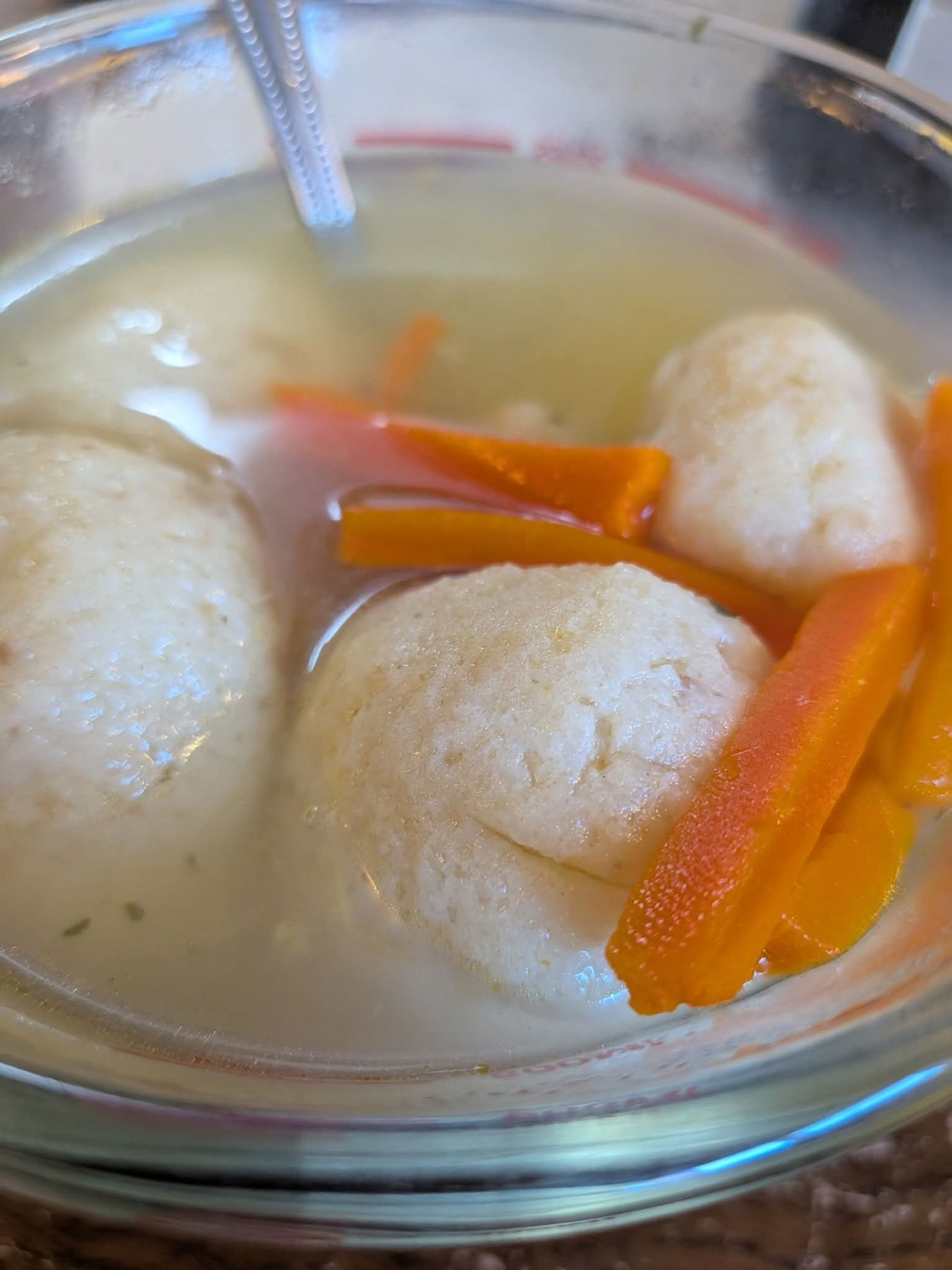
Matzo Ball Soup is a beloved traditional dish cherished for its comforting warmth and rich, savory flavors. This classic Jewish soup features light, fluffy matzo balls gently simmered in a flavorful chicken broth, complemented by tender carrots that add a subtle sweetness and texture. It’s a perfect blend of hearty and delicate, making it an ideal choice for family dinners, holiday celebrations, or when you crave a soothing bowl of comfort food.
Designed for home cooks seeking a straightforward yet satisfying soup, this recipe offers a beautiful balance of texture and flavor. With just 15 minutes of prep time and about 45 minutes of cooking, you can create an authentic matzo ball soup that delivers traditional taste and nourishing qualities. Whether you’re new to making matzo balls or looking to perfect your method, this recipe guides you through each step for reliably delicious results.
Why you’ll love this Matzo Ball Soup
- This soup delivers a perfect harmony of light, fluffy matzo balls and flavorful chicken broth, balancing richness and delicacy.
- It’s a wholesome meal rich in protein and vegetables, providing nourishment and warmth during cooler seasons or anytime comfort is needed.
- The recipe is straightforward, requiring minimal ingredients and simple steps, making it accessible for cooks of all skill levels.
- Matzo balls achieve a tender and airy texture by chilling the batter and simmering gently, ensuring they hold their shape and remain light.
- The addition of fresh herbs like dill or parsley adds a bright, fresh finish, enhancing the soup’s aroma and elevating its flavor complexity.
Ingredients
- 8 cups chicken broth
- 3 medium carrots, peeled and cut into batons or rounds
- 4 large eggs
- 1/4 cup schmaltz or neutral oil
- 1 cup matzo meal
- 1/4 cup club soda or water
- 1 tsp kosher salt
- 1/4 tsp black pepper
- 2 tbsp chopped dill or parsley (optional)
This recipe serves 4 and requires about 15 minutes of preparation plus 45 minutes of cooking. The key ingredients include chicken broth, which forms a rich and savory base essential for authentic flavor; matzo meal, the foundation for the dumplings that soak up the broth; and fresh carrots, which add natural sweetness and a tender bite. Choosing a high-quality chicken broth—preferably homemade or low-sodium store-bought—will significantly enhance the depth and clarity of the soup. Fresh eggs and schmaltz or a neutral oil are vital for creating matzo balls that are tender yet cohesive. Club soda introduces lightness by aerating the batter, resulting in fluffier dumplings that won’t feel dense or heavy.
Instructions
- Simmer the broth and cook carrots: Bring the chicken broth to a gentle simmer in a large pot. Add the peeled and sliced carrots and cook until they become tender, about 15 minutes. This step softens the carrots while infusing the broth with their subtle sweetness.
- Mix the matzo ball batter: In a mixing bowl, whisk together the eggs, schmaltz (or oil), club soda (or water), kosher salt, and black pepper until well combined. Whisking thoroughly ensures even seasoning and incorporates air for lighter matzo balls.
- Add the matzo meal: Stir in the matzo meal thoroughly until the mixture forms a consistent batter. Cover and chill in the refrigerator for 20 to 30 minutes to allow it to firm up. Chilling is crucial for the batter to bind and hold shape during cooking.
- Form matzo balls: With wet hands, shape the chilled mixture into 8 to 10 balls about the size of a walnut or small egg. Wetting your hands prevents sticking and helps form smooth balls that cook evenly.
- Cook the matzo balls: Bring a separate pot filled with salted water or some of the chicken broth to a gentle simmer. Carefully add the matzo balls, cover the pot, and cook for 30 to 40 minutes until the dumplings have puffed up and are tender. Cooking gently prevents the matzo balls from breaking apart and ensures a fluffy texture.
- Assemble and serve: Transfer the cooked matzo balls to serving bowls. Ladle the hot chicken broth and carrots over the matzo balls. Garnish with chopped dill or parsley if desired, and serve immediately while hot to enjoy maximum flavor and texture.
Tips for the best results
- Use cold ingredients when mixing the matzo ball batter: Cold eggs and schmaltz help the batter firm up during chilling, which is essential for matzo balls that hold their shape and have a light texture.
- Wet your hands before shaping matzo balls: This prevents the sticky batter from clinging to your fingers and allows you to form smooth, uniform balls that cook evenly without falling apart.
- Simmer the broth gently rather than boiling vigorously: A gentle simmer keeps the matzo balls tender and intact, as boiling can cause them to burst or become dense.
- Chilling the batter is crucial: Allowing the matzo ball mixture to rest in the refrigerator for at least 20 minutes lets the matzo meal absorb moisture and the fats solidify slightly, resulting in fluffier dumplings.
- Don’t overcrowd the cooking pot: Cooking too many matzo balls at once restricts their expansion and can cause uneven cooking. Cook in batches if necessary to give each ball enough space to puff up properly.
- Adjust seasoning in the broth after cooking: Taste the broth once the matzo balls are cooked and add salt or pepper as needed to balance the flavors, since the matzo balls can absorb some saltiness during cooking.
Variations and substitutions
- Vegetarian broth: Use a rich vegetable broth instead of chicken broth for a vegetarian-friendly version that still offers depth and warmth.
- Herbs: Substitute dill or parsley with fresh chives, thyme, or tarragon to vary the herbal notes and add complexity to the soup.
- Matzo ball size: Make smaller or larger balls depending on your preference for texture and presentation; smaller balls cook faster and offer a lighter bite, while larger ones are heartier.
- Fat choice: Replace schmaltz with olive oil, melted butter, or even coconut oil for different richness levels and subtle flavor changes.
- Additional vegetables: Add celery, parsnips, leek slices, or even mushrooms to the broth for extra flavor, aroma, and texture variety.
Serving suggestions
Matzo Ball Soup works beautifully as a comforting starter or a light main course. For a complete and satisfying meal, serve it alongside fresh crusty bread or classic challah to soak up the flavorful broth. Roasted root vegetables or a simple green salad with a lemon vinaigrette dressing complement the soup’s richness by adding freshness and contrasting textures. For holiday meals or special occasions, garnish with extra fresh herbs like dill or parsley and a sprinkle of freshly cracked black pepper to enhance aroma and presentation. This soup is especially delightful on chilly days or when you want to bring warmth and nostalgia to the table.
Storage and reheating
Store any leftover soup with matzo balls in an airtight container in the refrigerator for up to 3 days. Over time, the matzo balls may absorb some broth and become softer but will remain flavorful. To reheat, warm the soup gently on the stove over low heat, stirring occasionally to ensure even heating. Avoid boiling the soup during reheating, as vigorous heat can cause the matzo balls to break down and lose their texture. For best results, reheat slowly until just warmed through.
Frequently asked questions
What makes matzo balls light and fluffy?
The lightness and fluffiness of matzo balls come from several key factors: chilling the batter allows the matzo meal to absorb moisture evenly and the fats to solidify, which helps the dumplings hold their shape. Additionally, using club soda aerates the mixture, introducing tiny bubbles that expand during cooking. Gentle simmering rather than boiling prevents the balls from becoming dense or falling apart, resulting in a tender, airy texture.
Can I freeze matzo ball soup?
Freezing matzo ball soup is possible but not ideal because the matzo balls tend to change texture after freezing and thawing, often becoming denser or crumbly. For best results, freeze the broth separately and prepare fresh matzo balls when ready to serve. If freezing the soup with matzo balls, expect some texture changes and reheat gently to minimize breakdown.
Is schmaltz necessary in the recipe?
Schmaltz, rendered chicken fat, adds traditional flavor and richness to matzo balls, contributing to their characteristic taste and moist texture. However, it is not strictly necessary and can be substituted with neutral oils like vegetable or canola oil, or melted butter. These alternatives maintain the fat content needed for tender dumplings but may slightly alter the flavor profile.
How do I prevent matzo balls from falling apart?
To keep matzo balls intact, chilling the batter before shaping is essential as it firms up the mixture. Cooking the balls in gently simmering water or broth rather than boiling vigorously also helps them hold together. Avoid stirring or agitating the pot during cooking, as this can cause the matzo balls to break apart. Using the right ratio of matzo meal to liquid and fat ensures they are neither too dry nor too loose.
Can I make matzo balls gluten-free?
Traditional matzo meal contains gluten, but gluten-free matzo meal alternatives made from corn, potato starch, or other gluten-free grains are available. Substituting with gluten-free matzo meal allows those with gluten sensitivities to enjoy matzo ball soup. Note that the texture may vary slightly, sometimes resulting in a softer or less cohesive dumpling, so adjusting liquid quantities may be necessary.
Final thoughts
This Matzo Ball Soup recipe is a timeless classic that brings warmth and comfort to any table. Its simple, wholesome ingredients and clear, accessible steps make it perfect for home cooks of all experience levels. Whether you’re preparing a cozy family dinner or celebrating a special occasion, this soup offers satisfying flavors and textures that everyone will appreciate. Try this recipe to enjoy a delicious taste of tradition and heartfelt nourishment in your own kitchen.