
Introduction
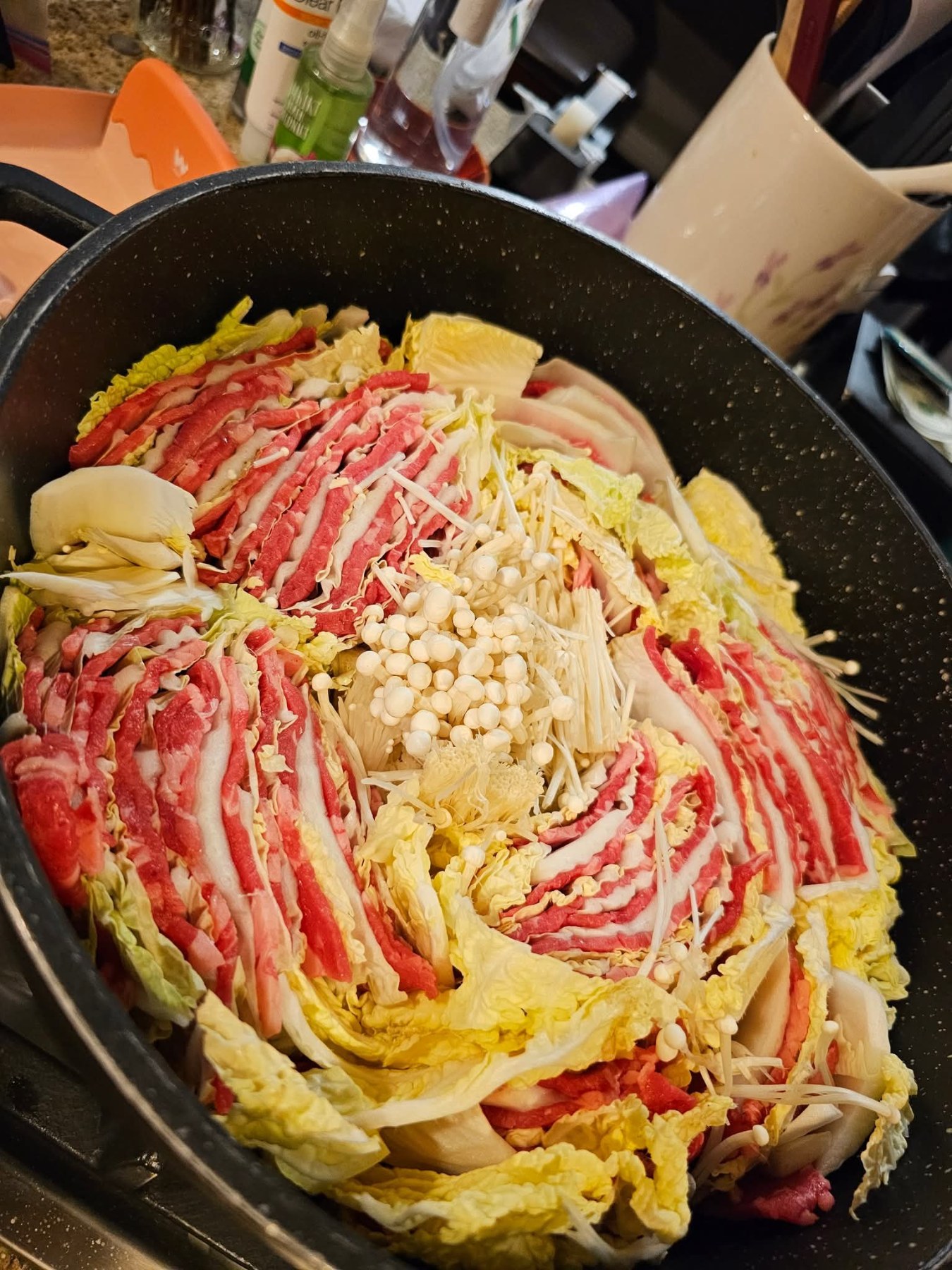
Mille-Feuille Nabe is a traditional Japanese layered hot pot dish that beautifully combines napa cabbage, thinly sliced pork belly or beef, and enoki mushrooms in a flavorful dashi broth. This visually stunning and comforting meal is perfect for those who enjoy warm, nourishing dishes with a delicate balance of textures and flavors.
Designed to serve 4 people, Mille-Feuille Nabe comes together quickly with just 20 minutes of preparation and 15 minutes of cooking. Its simple layering technique and rich umami broth make it ideal for family dinners or casual gatherings where you want something both impressive and satisfying.
Why you’ll love this Mille-Feuille Nabe
- This dish offers a beautiful presentation with its layered napa cabbage and meat stacks that cook evenly in broth.
- The combination of dashi stock and mirin creates a rich, umami-packed broth that enhances every ingredient.
- It’s a quick and easy recipe that requires minimal prep and cooks in under 40 minutes total.
- The flexibility to use pork belly or beef allows you to tailor the dish to your taste preferences.
- Mille-Feuille Nabe is a cozy, warming meal perfect for cooler days and sharing with loved ones.
Ingredients
- 1 large napa cabbage
- 1 to 1 1/4 lb thinly sliced pork belly or beef
- 1 pack enoki mushrooms
- 4 cups dashi stock
- 2 tbsp soy sauce
- 1 tbsp sake
- 1 tbsp mirin
- 1 tsp salt
- 1 small piece ginger, sliced
- 2 green onions, cut in pieces (optional)
This recipe relies on fresh napa cabbage, prized for its tender, leafy texture and mild flavor that soaks up broth beautifully. Thinly sliced pork belly or beef adds richness and depth, while enoki mushrooms provide a delicate earthiness and unique texture. The dashi stock, a fundamental Japanese broth made from kombu and bonito flakes, builds the savory base, enhanced by soy sauce, sake, and mirin for sweetness and complexity. Fresh ginger adds a subtle warmth, rounding out the flavor profile.
Instructions
- Prepare the napa cabbage: Cut the napa cabbage into pieces about 2 to 3 inches wide, keeping the leaf sections stacked if possible to maintain their layered structure.
- Layer the meat and cabbage: Alternate slices of thinly sliced pork belly or beef between napa cabbage leaves to form thick stacks. If the stacks are too tall for your pot, cut them into shorter segments.
- Arrange in the pot: Stand the layered cabbage-and-meat bundles upright in a tight circular pattern around the pot, packing them from the outside inward to maximize space.
- Add mushrooms and extras: Tuck the enoki mushrooms and any leftover cabbage or mushroom pieces into the center and any gaps between the bundles.
- Add the broth and seasoning: Pour in the dashi stock, then add soy sauce, sake, mirin, salt, and sliced ginger. The liquid should reach partway up the ingredients, not completely submerge them.
- Cook the nabe: Cover the pot and bring to a simmer over medium heat. Let it cook for 10 to 15 minutes until the cabbage is tender and the meat is fully cooked through.
- Serve hot: Spoon the hot broth over the layered stacks when serving. Traditionally, Mille-Feuille Nabe can be enjoyed as is or accompanied by ponzu or sesame dipping sauce for added flavor.
Tips for the best results
- Use thinly sliced meat to ensure quick and even cooking inside the layered stacks.
- Keep the cabbage leaves stacked carefully to maintain the signature layered look during cooking.
- Simmer gently to avoid breaking apart the stacks and to preserve texture.
- Adjust the broth seasonings to your taste, adding more soy sauce or salt if needed.
- Serve immediately after cooking for the best flavor and texture experience.
- If you don’t have dashi stock, use a light vegetable or chicken broth as a substitute, though the flavor will be different.
Variations and substitutions
- Meat options: Substitute pork belly with thinly sliced chicken, duck, or even firm tofu for a vegetarian version.
- Vegetables: Add shiitake mushrooms, carrots, or green onions for extra flavor and texture.
- Broth variations: Infuse the broth with garlic or chili flakes for a spicier twist.
- Dipping sauces: Try serving with ponzu, sesame sauce, or a simple soy and lemon mixture to complement the dish.
- Seafood addition: Add shrimp or thinly sliced fish for a seafood mille-feuille nabe variation.
Serving suggestions
Mille-Feuille Nabe makes a complete meal on its own, but you can serve it alongside steamed rice or udon noodles to soak up the flavorful broth. A light side salad or pickled vegetables adds a refreshing contrast to the warm, rich hot pot. For dipping, traditional ponzu or sesame sauces enhance the savory layers, making each bite more dynamic and enjoyable.
Storage and reheating
Store any leftovers in an airtight container in the refrigerator for up to 2 days. Reheat gently on the stove over low heat to prevent the meat from becoming tough and to keep the cabbage tender. Adding a little extra broth during reheating helps maintain moisture and flavor. Avoid microwaving to preserve the delicate textures of the layered ingredients.
Frequently asked questions
What is Mille-Feuille Nabe?
Mille-Feuille Nabe is a Japanese hot pot dish featuring layered napa cabbage and thinly sliced meat cooked in a savory dashi broth. The name refers to the layered, mille-feuille style stacks that resemble the French pastry layering technique.
Can I use other types of meat besides pork belly or beef?
Yes, you can substitute pork belly or beef with chicken, duck, or even tofu for a vegetarian option. The key is to use thinly sliced meat so it cooks quickly and evenly within the layers.
What is dashi stock and can I substitute it?
Dashi is a Japanese broth made from kombu seaweed and bonito flakes, providing a rich umami flavor. If unavailable, you can substitute with vegetable or chicken broth, but the taste will be less authentic.
How do I prevent the layered stacks from falling apart?
Carefully stack the cabbage leaves and meat slices to keep them aligned, and stand the bundles upright tightly in the pot. Cooking gently at a simmer and not stirring helps preserve their structure.
What dipping sauces go well with Mille-Feuille Nabe?
Ponzu sauce and sesame-based dipping sauces are traditional and complement the dish’s savory flavors well. You can also experiment with soy sauce mixed with lemon or chili for added zest.
Final thoughts
Mille-Feuille Nabe is a delightful and visually impressive Japanese hot pot that brings together simple ingredients in a flavorful, comforting way. Its quick preparation and cooking time make it accessible for weeknight meals or special occasions. Give this layered hot pot a try and enjoy the harmonious blend of tender cabbage, juicy meat, and umami-rich broth that will warm both body and soul.