
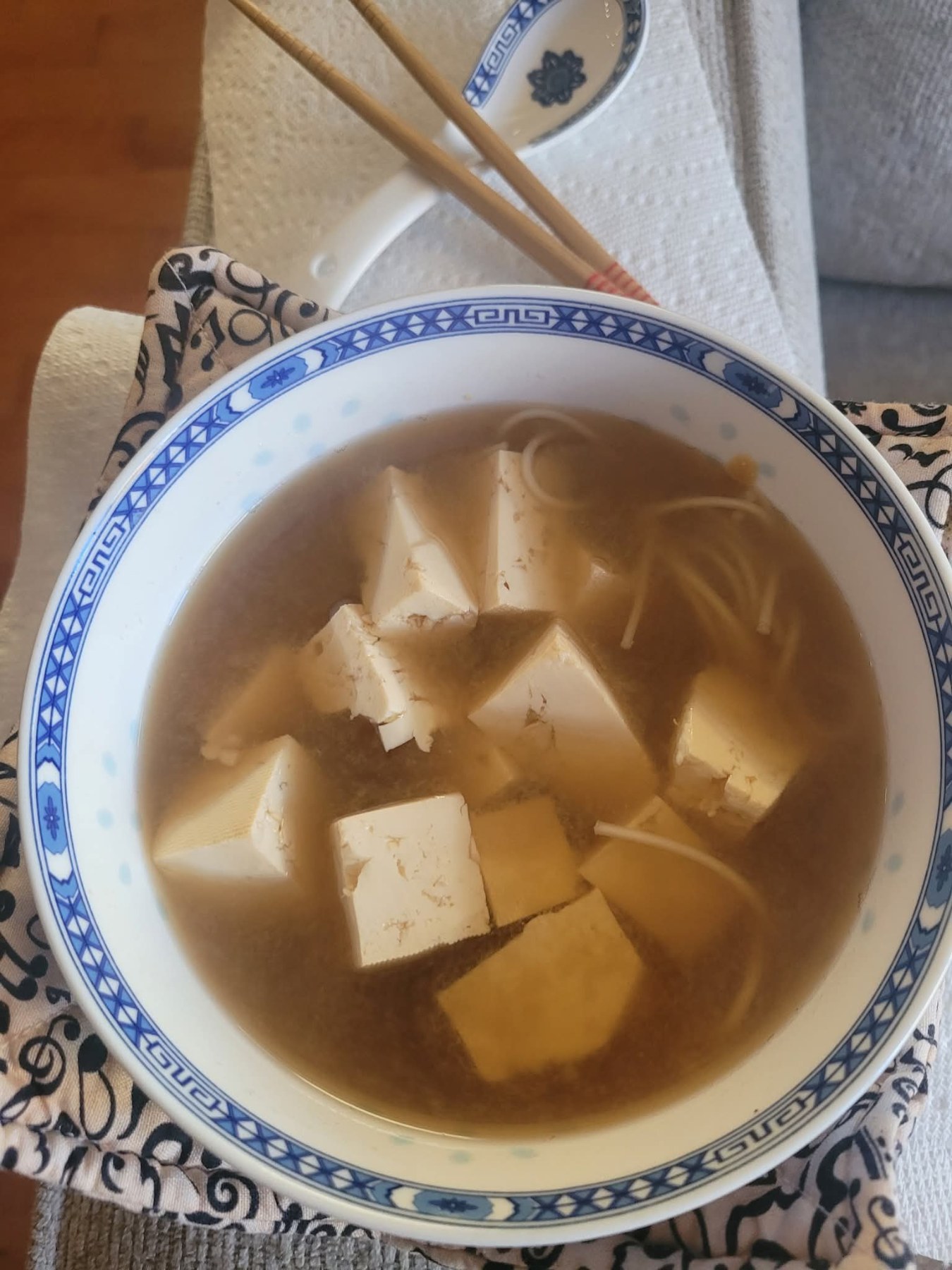
Miso Soup with Tofu and Enoki is a classic Japanese soup cherished for its delicate flavors and nutritious ingredients. This traditional dish blends a savory dashi broth with creamy soft tofu and tender enoki mushrooms, creating a light yet satisfying soup perfect for any meal. Whether you’re new to Japanese cooking or seeking a quick, wholesome option, this recipe is straightforward and ready in about 15 minutes.
Ideal as a starter or a comforting main, this soup delivers umami richness without heaviness. The smooth tofu and delicate mushrooms offer a pleasing contrast in textures, making it suitable for vegetarians when prepared with vegetarian dashi. Its versatility and simplicity make it a beloved choice for both casual meals and more formal dining. Follow this detailed guide to craft authentic Miso Soup with Tofu and Enoki mushrooms right in your own kitchen.
Why you’ll love this Miso Soup with Tofu and Enoki
- This soup is quick to prepare, taking just 15 minutes from start to finish, making it perfect for busy days.
- It offers a delicate balance of umami flavors derived from miso paste and dashi stock, delivering authentic Japanese taste.
- The soft tofu adds a creamy, silky texture that perfectly complements the tender, slightly chewy enoki mushrooms.
- It’s a light yet nourishing option, suitable for any season and a great choice for a healthy meal.
- The recipe is highly adaptable with optional ingredients like wakame seaweed and scallions, allowing you to customize flavor and nutrition.
Ingredients
- 4 cups dashi stock
- 3 tablespoons white or awase miso paste
- 7 ounces soft tofu, cut into large cubes
- 1 small bundle enoki mushrooms, trimmed and separated
- 1 tablespoon dried wakame seaweed (optional)
- 2 scallions, thinly sliced (optional)
This recipe relies on a few key ingredients that define its authentic flavor and texture. Dashi stock is the foundation, traditionally made by simmering kombu seaweed and bonito flakes, which imparts a complex umami richness. You can buy ready-made dashi or prepare it fresh for the best results. White or awase miso paste contributes a mild, slightly sweet umami character; choosing a paste that suits your preference can subtly change the soup’s flavor profile. Soft tofu is preferred for its smooth, custard-like texture that contrasts nicely with the enoki mushrooms’ delicate crunch. If using wakame, soak it briefly to rehydrate and remove excess saltiness before adding to the soup. Fresh scallions provide a crisp, oniony finish that brightens the bowl just before serving.
Instructions
- Heat the dashi: Pour the 4 cups of dashi stock into a saucepan and warm it over medium heat until it is hot but not boiling. This gentle heating helps preserve the delicate flavors of the dashi, preventing bitterness.
- Prepare wakame (if using): Soak the dried wakame seaweed in water for a few minutes until it softens, then drain well. This step rehydrates the seaweed and reduces excess saltiness.
- Add enoki mushrooms: Add the trimmed and separated enoki mushrooms to the hot dashi and simmer gently for 1 to 2 minutes to soften them without breaking apart. This preserves their texture and subtle flavor.
- Dissolve the miso paste: Lower the heat to prevent boiling. Place the miso paste in a ladle or small bowl, add a little hot dashi, and stir until smooth. Return this mixture to the pot, stirring gently to combine. Avoid boiling after this step to maintain the miso’s delicate taste and beneficial enzymes.
- Add tofu and wakame: Gently add the tofu cubes and the softened wakame to the pot. Warm for about 1 minute without boiling to keep the tofu intact and preserve the miso’s flavor.
- Serve: Ladle the soup into bowls and garnish with thinly sliced scallions if desired. Serve immediately to enjoy the fresh flavors and textures.
Tips for the best results
- Use freshly made or high-quality dashi stock for the most authentic umami flavor; homemade dashi offers a depth that instant powders can’t match.
- Heat the soup gently and avoid boiling after adding miso to prevent bitterness and to preserve the probiotics in the miso paste.
- Handle soft tofu carefully when adding to the soup to prevent it from breaking apart, maintaining the soup’s appealing texture.
- Trim and separate the enoki mushrooms before cooking to ensure even cooking and to avoid clumps that can affect texture.
- Soak wakame briefly to rehydrate and remove excess saltiness; over-soaking can make it too soft and less flavorful.
- Add scallions just before serving to retain their crispness and fresh, vibrant flavor, which contrasts nicely with the warm broth.
Variations and substitutions
- Use silken tofu instead of soft tofu for a silkier, creamier texture that melts in your mouth.
- Replace enoki mushrooms with shiitake or button mushrooms to introduce a richer, earthier flavor profile.
- Make a vegetarian version by using kombu dashi instead of traditional fish-based dashi, ensuring the soup is fully plant-based.
- Try red or yellow miso paste for a stronger, more robust miso flavor that adds depth and complexity to the broth.
- Add sliced daikon radish or fresh spinach for extra vegetables, enhancing the nutritional value and adding subtle flavors.
Serving suggestions
Miso Soup with Tofu and Enoki is wonderfully versatile and pairs beautifully with many dishes. Serve it as a starter alongside sushi, rice bowls, or grilled fish to complement those flavors without overpowering them. It also makes a light lunch when paired with steamed rice and pickled vegetables, providing a balanced meal. For a heartier option, accompany the soup with sautéed greens or a crisp salad dressed lightly with sesame oil and soy sauce. The warm broth and tender ingredients create a comforting, nourishing dish that fits seamlessly into various meal plans and occasions.
Storage and reheating
Store any leftover miso soup in an airtight container in the refrigerator for up to 2 days to maintain freshness. When reheating, warm the soup gently over low heat to avoid boiling, which can alter the delicate flavors and cause the tofu to become rubbery. It’s best to add delicate ingredients like scallions fresh before serving again to preserve their texture and brightness. Avoid freezing miso soup since tofu’s texture changes significantly after thawing, becoming grainy or watery.
Frequently asked questions
Can I use instant miso soup packets instead of making dashi?
Instant miso soup packets offer convenience but often lack the depth and complexity of flavor that fresh dashi stock provides. While they can be used in a pinch, homemade or high-quality store-bought dashi will give your soup a richer, more authentic taste and a better umami balance.
What type of tofu is best for miso soup?
Soft or silken tofu is ideal for miso soup due to its smooth, delicate texture that blends beautifully with the broth and mushrooms. Firm tofu can be used but tends to have a chewier texture and does not absorb flavors as readily, which can change the overall mouthfeel of the soup.
Is miso soup gluten-free?
Traditional miso paste made from rice or soybeans is usually gluten-free, but some varieties include barley or wheat, which contain gluten. If you have gluten sensitivities or celiac disease, it’s important to check labels carefully and choose certified gluten-free miso paste to ensure the soup is safe to eat.
Can I prepare this soup in advance?
You can prepare components like the dashi stock and soak wakame ahead of time to save cooking time. However, it’s best to add the miso paste, tofu, and enoki mushrooms just before serving to maintain their texture and flavor. Reheating should be done gently to avoid bitterness and preserve the soup’s delicate qualities.
What can I use instead of enoki mushrooms?
If enoki mushrooms are unavailable, shiitake, button, or oyster mushrooms make excellent substitutes. Each offers a different texture and flavor but complements the miso broth well, allowing you to adapt the soup to what you have on hand while still enjoying a satisfying umami experience.
Final thoughts
This Miso Soup with Tofu and Enoki recipe offers a simple yet elegant way to enjoy the comforting flavors of Japanese cuisine at home. With just a few quality ingredients and straightforward steps, it’s accessible for cooks of all levels and can be adapted to suit various tastes. Try this recipe to experience a warm, nourishing bowl that’s both healthy and delicious, perfect for any day of the year.