
Introduction
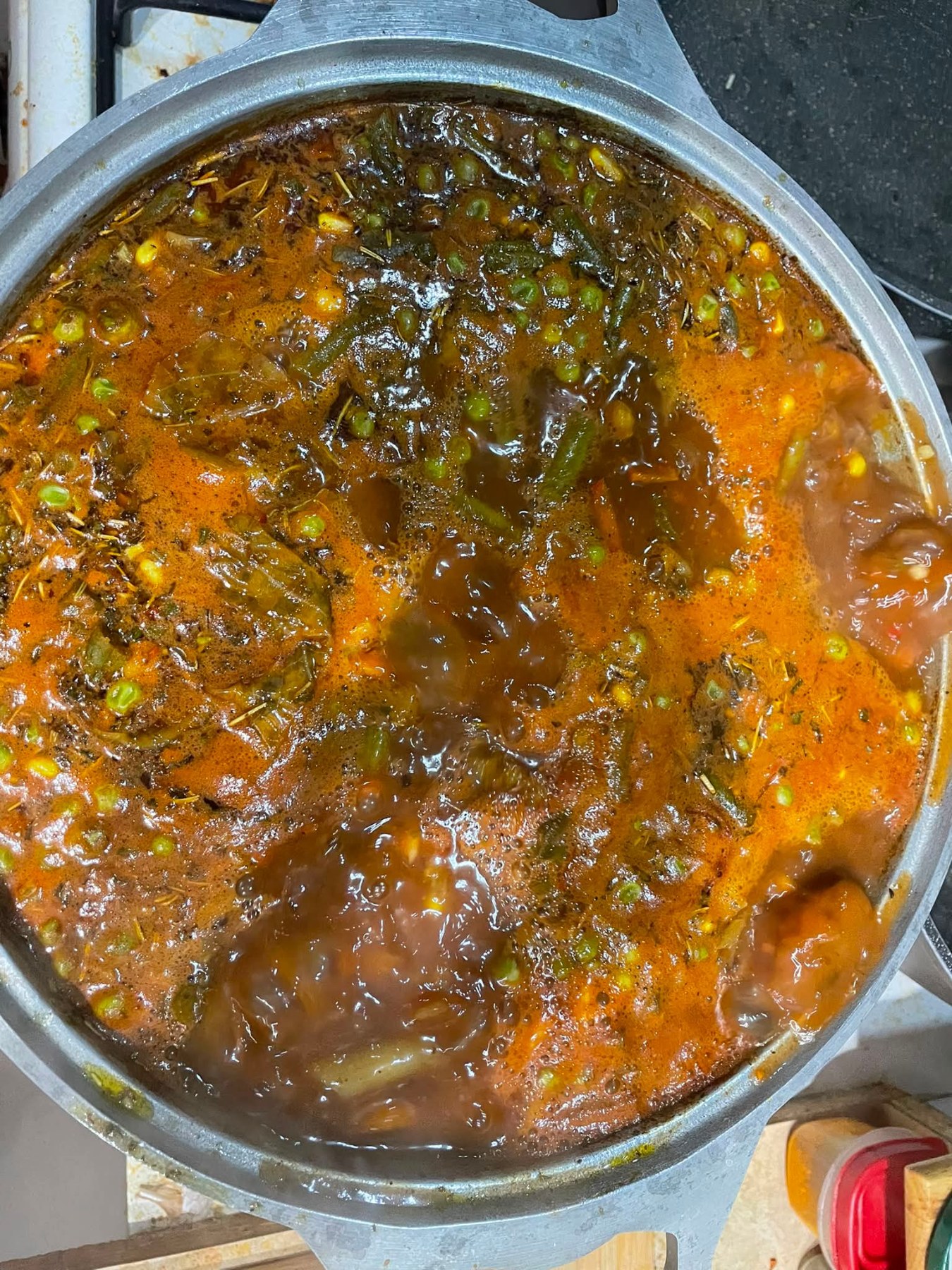
Nigerian Okra Soup is a beloved West African dish known for its rich flavors, unique texture, and comforting warmth. This hearty soup combines fresh okra, tender meat or fish, leafy greens, and aromatic spices, making it a staple in many Nigerian households. It’s perfect for those who enjoy vibrant, natural tastes and traditional cooking methods.
With just about 15 minutes of preparation and 25 minutes of cooking, this recipe serves 6 people, making it ideal for family dinners or gatherings. Whether you’re a seasoned cook or new to Nigerian cuisine, this okra soup recipe is simple, quick, and delicious, delivering an authentic taste that works every time.
Why you’ll love this Nigerian Okra Soup
- This recipe uses fresh okra to create a naturally thick and glossy soup texture that is both satisfying and nutritious.
- Incorporating palm oil adds a deep, earthy flavor that is traditional and enriches the soup’s overall taste.
- The addition of assorted meat or fish provides a hearty protein element making it a complete meal option.
- Leafy greens like ugu or spinach add color, nutrients, and a subtle freshness that balances the dish.
- The use of scotch bonnet peppers and crayfish delivers authentic Nigerian spicy and umami flavors without overwhelming the palate.
Ingredients
- 500 g fresh okra, finely chopped or sliced
- 2-3 tbsp palm oil
- 300 g assorted meat or fish, cooked
- 1 small onion, chopped
- 2 tbsp ground crayfish (optional but classic)
- 1-2 scotch bonnet peppers, chopped
- 1 cube seasoning or 1 tsp bouillon powder
- 3 cups meat or fish stock
- 1 cup chopped leafy greens such as ugu or spinach
- 1 tsp salt, or to taste
Key ingredients in this Nigerian Okra Soup include fresh okra, which should be firm and green for the best texture and flavor. Palm oil is essential for the authentic color and taste; choose red palm oil from a reputable source. The meat or fish can be a combination of your choice, but ensure it’s cooked tender before adding. Leafy greens like ugu are traditional, but spinach is a good substitute if unavailable. The broth base made from meat or fish stock adds depth, so use a rich homemade or good-quality store-bought stock.
Instructions
- Prepare the okra: Wash the okra thoroughly and slice it into small rounds or chop finely to help thicken the soup later.
- Cook the meat (if raw): Simmer the assorted meat with chopped onion, salt, and seasoning cube or powder until tender, reserving the cooking stock for the soup.
- Start the soup base: Bring the reserved meat or fish stock to a boil in a pot, then add palm oil, chopped scotch bonnet peppers, ground crayfish, and seasoning cube or powder.
- Add the protein: Stir in the cooked meat or fish and let it simmer for 5 minutes to infuse the flavors.
- Incorporate the okra: Add the chopped okra to the pot and cook briefly for about 3-5 minutes until the soup turns glossy and slightly thickened.
- Finish with greens: Add the chopped leafy greens and simmer for another 1-2 minutes, just until they wilt and blend into the soup.
- Adjust and serve: Taste the soup and add salt if needed. Serve hot, traditionally accompanied by fufu, pounded yam, eba, or amala.
Tips for the best results
- Use fresh okra for the best texture; frozen okra may become too mushy and lose the desired thickness.
- Chop the okra finely if you prefer a thicker, almost mucilaginous soup consistency.
- Simmer the soup gently after adding okra to avoid overcooking and losing the bright green color.
- Adjust the number of scotch bonnet peppers based on your heat preference to balance flavor and spiciness.
- Use homemade stock if possible for a richer, more authentic taste.
- Stir gently to combine ingredients without breaking up the okra too much, preserving the texture.
Variations and substitutions
- Replace assorted meat with seafood like shrimp or dried fish for a coastal flavor variation.
- Use spinach or kale instead of ugu if traditional leafy greens are unavailable.
- Substitute palm oil with vegetable oil, although this changes the characteristic color and flavor.
- Add other vegetables like tomatoes or bell peppers for added sweetness and complexity.
- For a vegetarian version, omit meat and use vegetable stock with smoked mushrooms for depth.
Serving suggestions
Nigerian Okra Soup is traditionally served hot alongside starchy sides such as fufu, pounded yam, eba, or amala. These accompaniments are perfect for dipping into the thick, flavorful soup and complement its rich texture. You can also enjoy it with rice or boiled yams for a different but equally satisfying meal. Garnish with a few fresh leaves or slices of fresh pepper for an extra touch of color and spice.
Storage and reheating
Store leftover Nigerian Okra Soup in an airtight container in the refrigerator for up to 3 days. When reheating, warm it gently on the stove over medium-low heat, stirring occasionally to prevent sticking and ensure even heating. Avoid overheating to preserve the soup’s texture and flavor. This soup can also be frozen for up to 1 month; thaw overnight in the refrigerator before reheating.
Frequently asked questions
Can I use frozen okra for Nigerian Okra Soup?
Frozen okra can be used, but it tends to become softer and less thickening than fresh okra. For the best texture and glossiness, fresh okra is recommended. If using frozen, chop it finely and add it towards the end of cooking to avoid over-softening.
What can I use instead of palm oil?
Palm oil is traditional for its unique flavor and color, but you can substitute with vegetable or olive oil. Keep in mind this will alter the characteristic taste and appearance of the soup. Red palm oil is best sourced from trusted suppliers to ensure quality.
How spicy is Nigerian Okra Soup?
The heat level depends on the amount of scotch bonnet peppers used. One or two peppers add a noticeable but balanced heat typical of Nigerian cuisine. Adjust the quantity according to your spice tolerance for a milder or spicier version.
Can I make Nigerian Okra Soup vegetarian?
Yes, omit the meat or fish and use vegetable stock instead. Adding smoked mushrooms or dried seaweed can help replicate the umami depth usually provided by protein. Include plenty of leafy greens for added nutrition and flavor.
What are the best side dishes for this soup?
Traditional Nigerian starchy sides like fufu, pounded yam, eba, or amala are ideal as they complement the soup’s texture and help soak up the flavorful broth. You can also serve it with boiled plantains or rice for a different twist.
Final thoughts
Nigerian Okra Soup is a delicious and wholesome dish that brings authentic Nigerian flavors into your kitchen with ease. Its combination of fresh ingredients and simple cooking techniques makes it accessible for cooks of all levels. Try this recipe for a comforting meal that’s rich in tradition and taste, perfect for sharing with family and friends.