
Introduction
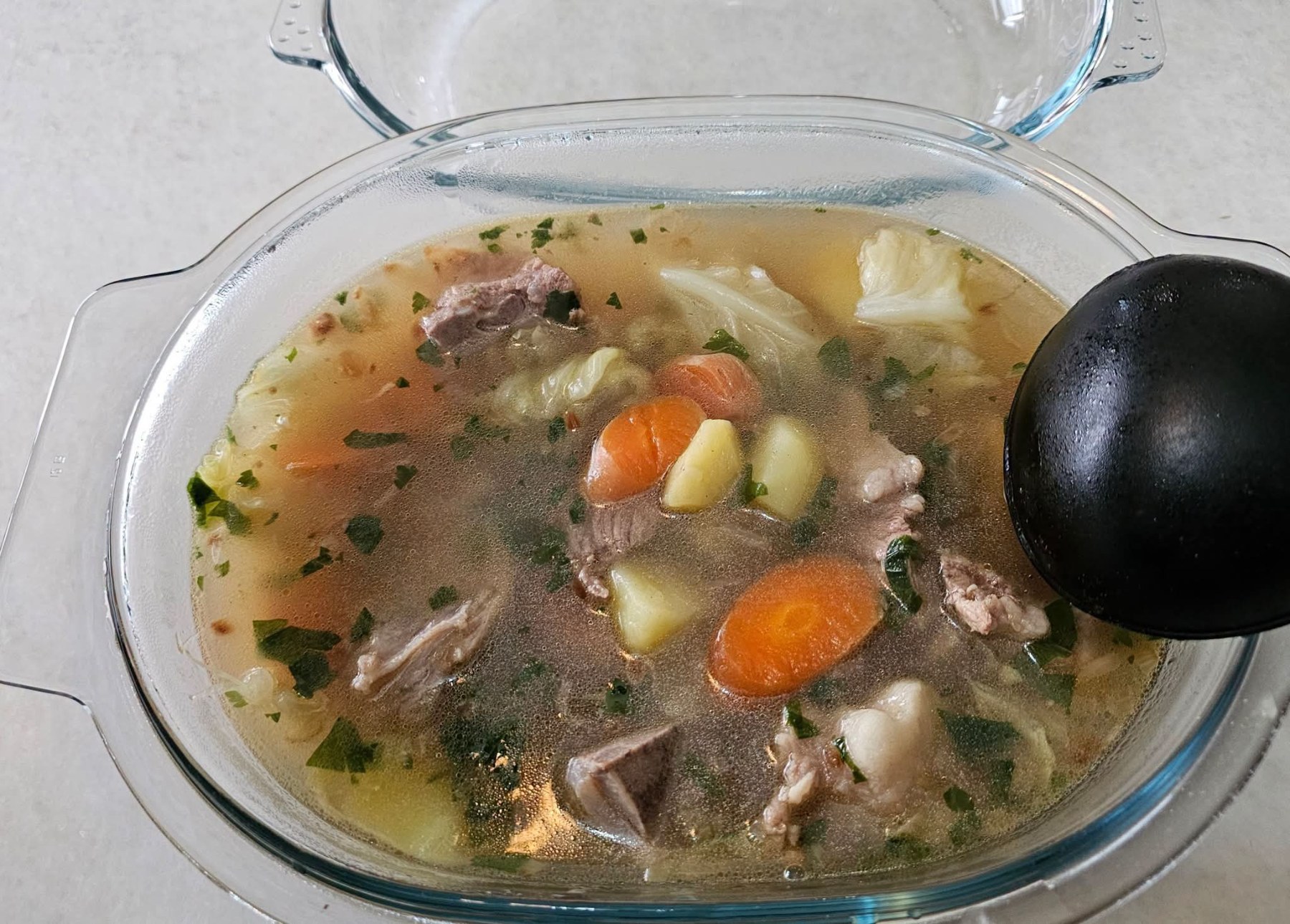
Nilagang Baboy is a classic Filipino pork soup celebrated for its clear, flavorful broth and tender meat paired with hearty vegetables. This traditional dish embodies simplicity and comfort, making it an excellent choice for home cooks who want a nourishing meal without complicated techniques. It’s perfect for family dinners, cozy gatherings, or anytime you crave a warm and satisfying soup that highlights the natural flavors of pork and fresh produce.
With a preparation time of approximately 15 minutes and a cook time of about 1 hour and 10 minutes, this recipe fits well into a busy schedule while rewarding you with deep, slow-simmered flavors. The gentle cooking process allows the pork to become tender and juicy, while the vegetables absorb the savory broth, creating a balanced and wholesome dish ideal for cooler days or whenever you want a light yet filling meal.
Why you’ll love this Nilagang Baboy recipe
- It uses simple, fresh ingredients that are easy to find in most grocery stores, making it accessible for everyday cooking.
- The broth is light yet deeply flavorful, offering a comforting option that won’t feel heavy or greasy.
- The pork becomes tender and juicy after slow simmering, enhancing the soup’s rich, satisfying taste.
- The addition of potatoes, carrots, and cabbage contributes varied textures and nutritional balance to the dish.
- This soup is versatile and can be easily adjusted to suit your taste preferences or ingredient availability.
Ingredients
- 2 lb bone-in pork ribs or pork neck, cut into serving pieces
- 8 cups water
- 1 medium onion, quartered
- 1 tbsp whole peppercorns
- 1 tbsp fish sauce or 2 tsp salt, plus more to taste
- 2 medium potatoes, peeled and cut into chunks
- 2 medium carrots, cut into thick rounds
- 1/2 small cabbage, cut into wedges or large pieces
- 2 tbsp chopped parsley or scallions
- 1 tbsp neutral oil (optional)
This recipe yields 4 to 6 servings with a total cooking time of approximately 1 hour and 25 minutes, including preparation. The key ingredients are bone-in pork ribs or neck, which provide rich flavor and tenderness due to the marrow and connective tissue that break down during simmering, enriching the broth’s depth. Fresh vegetables like potatoes and carrots add natural sweetness and substance, while cabbage offers a slight crunch and mild bitterness that complements the meat. When selecting pork, choose cuts with a good balance of meat and fat for optimal flavor and texture. For the vegetables, pick firm, brightly colored produce to ensure they hold their shape and texture after cooking.
Instructions
- Boil the pork: Place the pork ribs or neck and water in a large pot and bring to a boil over medium-high heat. Skim off any foam that rises to the surface to keep the broth clear and free from impurities.
- Add aromatics and seasonings: Add the quartered onion, whole peppercorns, and fish sauce or salt to the pot. Reduce the heat to low and let it simmer gently until the pork is tender, about 45 to 60 minutes. This slow simmering extracts maximum flavor from the meat and aromatics.
- Cook the root vegetables: Add the peeled and chunked potatoes along with the thickly sliced carrots. Continue cooking until the vegetables are nearly tender, about 10 to 12 minutes, ensuring they absorb the broth without becoming mushy.
- Add the cabbage: Incorporate the cabbage wedges into the pot and simmer just until wilted and cooked through, around 3 to 5 minutes. Avoid overcooking to retain some texture and prevent the cabbage from becoming soggy.
- Adjust seasoning: Taste the broth and add more salt or fish sauce if needed to enhance the flavor according to your preference. This final seasoning step ensures a balanced and well-rounded taste.
- Serve: Ladle the soup into bowls and garnish with chopped parsley or scallions for a fresh, vibrant finish. Serve hot for the best experience, allowing the herb garnish to add brightness and color.
Tips for the best results
- Skim the foam during the initial boil: Removing foam and impurities early ensures a clear, clean-tasting broth, as foam contains coagulated proteins and other particles that can cloud the soup.
- Simmer gently rather than boiling vigorously: A gentle simmer keeps the pork tender by preventing the meat fibers from toughening and helps maintain broth clarity by reducing agitation.
- Use bone-in pork cuts: Bones add richness and depth to the broth through marrow and collagen, which also contributes to a silky mouthfeel and fuller flavor profile.
- Add vegetables in stages: Staggering the addition of vegetables according to cooking times prevents overcooking and preserves their individual textures and flavors.
- Taste and adjust seasoning at the end: Salt and umami levels can change during cooking, so final adjustments allow you to perfectly balance the broth without over-seasoning.
- Consider adding neutral oil before serving: A tablespoon of neutral oil such as vegetable or canola oil can enhance the broth’s mouthfeel, giving it a subtle richness without overpowering the delicate flavors.
Variations and substitutions
- Use beef shank or oxtail: For a heartier, more robust flavor, substitute pork with beef cuts that also benefit from slow simmering.
- Replace cabbage with bok choy or pechay: These leafy greens offer a slightly different texture and a milder taste while maintaining the soup’s freshness.
- Include corn on the cob pieces: Adding sweet corn adds a natural sweetness and vibrant color to the broth, enhancing visual appeal and flavor complexity.
- Add saba bananas or plantains: Traditional in some Filipino regions, these add a subtle sweetness and unique texture, balancing the savory broth.
- Use soy sauce instead of fish sauce: For a different depth of flavor, especially if you prefer a less pungent seasoning, soy sauce provides umami with a milder saltiness.
Serving suggestions
Nilagang Baboy is traditionally served hot alongside steamed white rice, which soaks up the flavorful broth and balances the savory meat and vegetables. For a more complete meal, complement the soup with a side of pickled vegetables such as atchara (pickled papaya) or a fresh green salad to add acidity and crunch. A small bowl of dipping sauce made from soy sauce, calamansi juice, and chopped chili peppers provides a zesty contrast that brightens each bite. This soup is also excellent as a starter or light lunch, offering a nutritious and satisfying dish that warms you from the inside out.
Storage and reheating
Store leftover Nilagang Baboy in an airtight container in the refrigerator for up to 3 days to maintain freshness and flavor. When reheating, warm the soup gently on the stove over medium-low heat to preserve the tenderness of the pork and the texture of the vegetables. Avoid boiling the soup again, as excessive heat can toughen the meat and over-soften the vegetables. For longer storage, freeze the broth and pork separately for up to 2 months, then add fresh vegetables when reheating to retain their texture and freshness.
Frequently asked questions
What cut of pork is best for Nilagang Baboy?
Bone-in pork ribs or pork neck are ideal for Nilagang Baboy because they provide both rich flavor and tender meat after slow simmering. The bones release collagen and marrow, which enrich the broth’s body and taste. Lean cuts tend to dry out or become tough during long cooking, so choosing cuts with some fat and bone ensures a juicy, flavorful result.
Can I use a pressure cooker for this recipe?
Yes, a pressure cooker can significantly shorten the cooking time for Nilagang Baboy. Typically, cook the pork under pressure for about 30 to 40 minutes to achieve tenderness, then release the pressure and add vegetables to cook further. This method preserves the essence of the soup while saving time. Always adjust seasoning after pressure cooking, as flavors can concentrate differently.
How do I keep the broth clear?
To keep the broth clear, skim off foam and impurities as soon as they appear during the initial boil. Use fresh meat and start with cold water, which helps proteins coagulate and rise to the surface for easy removal. Simmer the soup gently rather than boiling vigorously, as vigorous boiling breaks down meat fibers and releases particles that cloud the broth.
Is fish sauce necessary for flavor?
Fish sauce adds authentic umami and a distinctive salty depth to Nilagang Baboy, enhancing the broth’s complexity. However, it can be substituted with salt if you prefer a milder flavor or have dietary restrictions. Some cooks prefer fish sauce because it imparts a traditional Filipino flavor profile, while others opt for salt for simplicity.
Can I add other vegetables?
Yes, adding other vegetables like corn, saba bananas, or green beans is common and adds variety to the soup. When including additional vegetables, add them according to their cooking times to ensure they are tender but not overcooked. This flexibility allows you to customize the soup based on seasonality and personal preference.
Final thoughts
Nilagang Baboy remains a beloved Filipino soup that offers warmth and comfort with every spoonful. Its straightforward preparation and wholesome ingredients combine to create a dish that is both satisfying and approachable for cooks of all levels. Try this recipe to experience a soulful taste of Filipino home cooking that brings family and friends together around the table.