
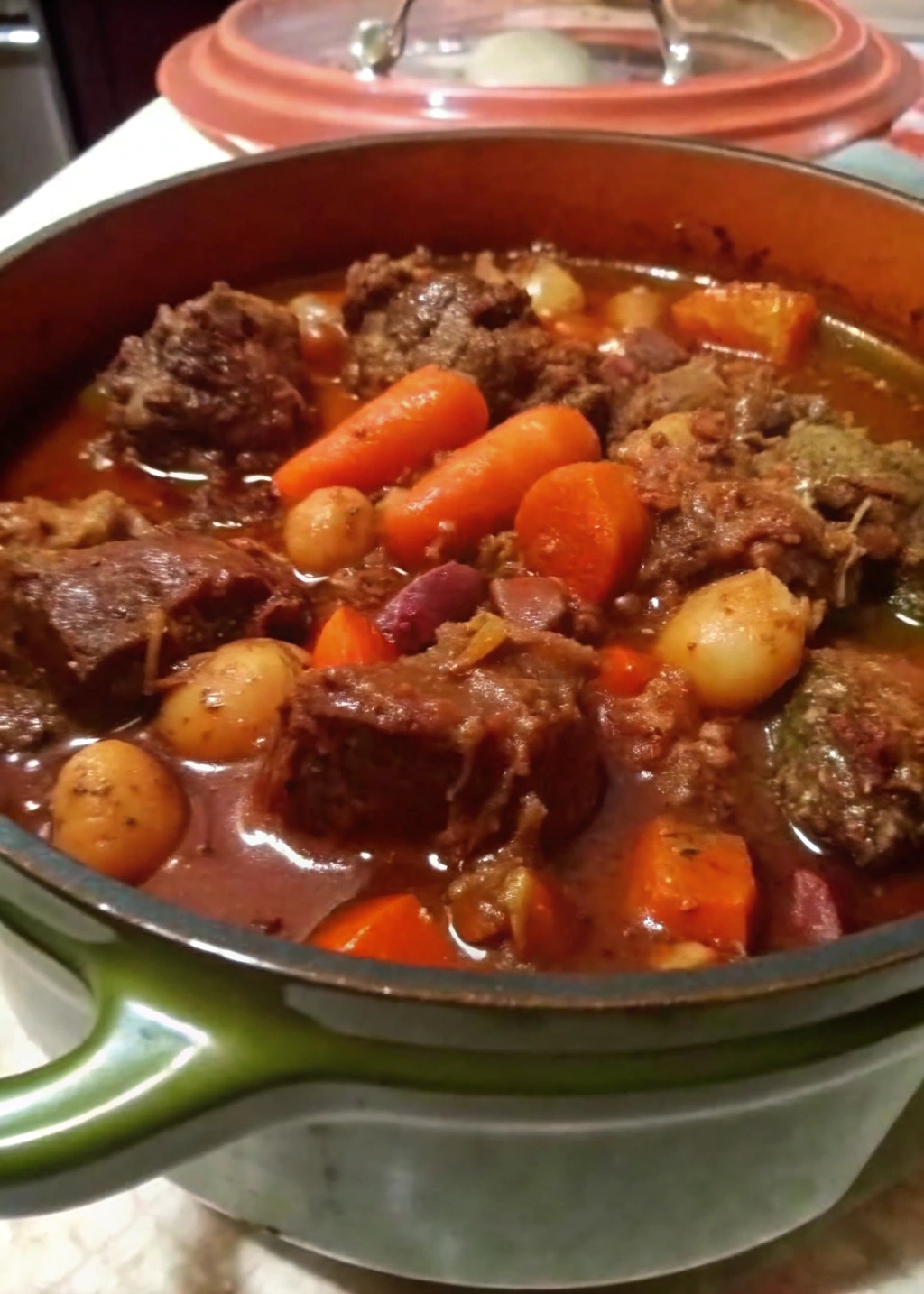
Discover the Comfort of Old Fashioned Beef Stew
As the cold winds of winter sweep across the landscape, few meals offer the comforting embrace of a warm, hearty stew quite like the Old Fashioned Beef Stew. This beloved classic combines tender chunks of beef, a medley of wholesome vegetables, and a rich, savory broth that warms both the body and soul. Perfect for family gatherings or cozy nights in, this dish has stood the test of time and is cherished in kitchens across the world.
Why You’ll Adore Old Fashioned Beef Stew
Not only is Old Fashioned Beef Stew a delicious culinary experience, but it also boasts a multitude of benefits that make it an ideal choice for any culinary enthusiast:
- Easy Preparation: This recipe is straightforward, making it accessible for cooks of all skill levels.
- Budget-Friendly: Utilizing affordable ingredients, this dish offers substantial servings without straining your wallet.
- Flavor Improvement: Like many stews, this one tastes even better when made ahead and allowed to sit overnight, marinating the flavors.
- Versatile Pairing: Serve it alongside crusty bread or fresh rolls for a complete, filling meal.
Essential Kitchen Equipment for Making Beef Stew
Before diving into your Old Fashioned Beef Stew, gather the necessary kitchen tools to streamline the cooking process:
- Large pot or Dutch oven
- Wooden spoon or spatula
- Measuring cups and spoons
- Cutting board and knife
Wholesome Ingredients for Old Fashioned Beef Stew
To create the epitome of comfort food, gather the following ingredients:
- 2 tablespoons of olive oil
- 2 pounds of cubed beef stew meat
- 2 tablespoons of all-purpose flour
- 4 cups of water
- 2 cups of beef broth
- 1/2 teaspoon of salt
- 1/2 teaspoon of ground black pepper
- 4 cups of cubed potatoes
- 2 cups of chopped carrots
- 1 teaspoon of dried rosemary
- 1 cup of fresh corn kernels
- 1 cup of fresh green beans, cut into 1-inch pieces
- 1 cup of chopped turnip (optional)
- 2 cups of chopped fresh tomatoes (optional)
Step-by-Step Instructions for Preparing Old Fashioned Beef Stew
Follow these easy steps to create a sumptuous Old Fashioned Beef Stew that will have everyone raving:
1. Sauté the Beef
Begin by heating the olive oil in a large pot over medium-high heat. Add the cubed beef to the pot, ensuring each piece is well-coated with oil. Sprinkle the flour evenly over the beef and stir gently to coat. Brown the beef on all sides for about 5-7 minutes, sealing in the juices and flavor.
2. Add Liquids and Seasoning
Once the beef is browned, pour in the water and beef broth. Season with salt and freshly cracked black pepper. Stir well to combine all the ingredients and bring the mixture to a boil.
3. Simmer and Develop Flavors
Reduce the heat to low and cover the pot, allowing the stew to simmer for approximately 1 hour. This slow cooking process helps the beef become tender while allowing the flavors to meld beautifully.
4. Incorporate Vegetables
After an hour, carefully stir in the cubed potatoes, chopped carrots (or turnips), and dried rosemary. Continue to simmer the stew for an additional 1-2 hours, or until the vegetables are tender and have absorbed the flavorful broth.
5. Finishing Touches
As the stew nears completion, add the fresh corn kernels and green beans to the pot. Let the stew simmer for another 30 minutes, allowing the bright flavors of the vegetables to enhance the overall dish.
Helpful Tips for Success
To ensure the best possible outcome for your Old Fashioned Beef Stew, consider these tips:
- Browning the Beef: For maximum flavor, brown the beef in batches if necessary; overcrowding the pot can lead to steaming instead of browning.
- Seasoning Adjustments: Tweak the seasoning to suit your taste—feel free to add more herbs or spices as desired.
- Incorporate Tomatoes: If including tomatoes, add them along with the corn and green beans for a fresh, tangy twist.
Variations and Adaptations
The beauty of Old Fashioned Beef Stew lies in its versatility. Here are some variations to consider:
- Gluten-Free Option: Substitute all-purpose flour with cornstarch or a gluten-free flour blend for a delightful gluten-free version of beef stew.
- Add Red Wine: For a richer flavor, replace some of the water with dry red wine. This not only deepens flavor but also enhances the overall heartiness of the stew.
- Mix in Other Veggies: Feel free to introduce other favorite vegetables like peas, mushrooms, or bell peppers to broaden the flavor profile.
Nutritional Benefits of Old Fashioned Beef Stew
This classic dish not only comforts the soul but also provides several nutritional benefits. Here’s a typical nutritional breakdown (per serving):
- Calories: Approximately 350
- Protein: 30g
- Carbohydrates: 25g
- Fat: 15g
These substantial ingredients make Old Fashioned Beef Stew a nourishing meal that fuels your body and keeps you satisfied for hours.
Frequently Asked Questions (FAQs)
Can I make this stew in a slow cooker?
Absolutely! To adapt this recipe for a slow cooker, brown the beef as directed, then transfer all ingredients to the slow cooker. Cook on low for 6-8 hours for perfectly tender and flavorful stew.
How can I store leftovers?
Store any leftovers in an airtight container in the refrigerator for up to 4 days. Additionally, you can freeze the stew for up to 3 months for a future meal.
Is it possible to double the recipe?
Yes, you can easily double the recipe. Just ensure you have a large enough pot to accommodate the additional ingredients, and adjust the cooking time accordingly.
Conclusion: Enjoy the Timeless Delight of Old Fashioned Beef Stew
Old Fashioned Beef Stew is a timeless dish that transcends generations, evoking memories of family gatherings and comforting evenings at home. Whether you are cooking for family or entertaining friends, this hearty stew is sure to be a hit. Give it a try and embrace the warmth of this classic recipe, while sharing your own twists and experiences as you enjoy this comforting culinary delight!