
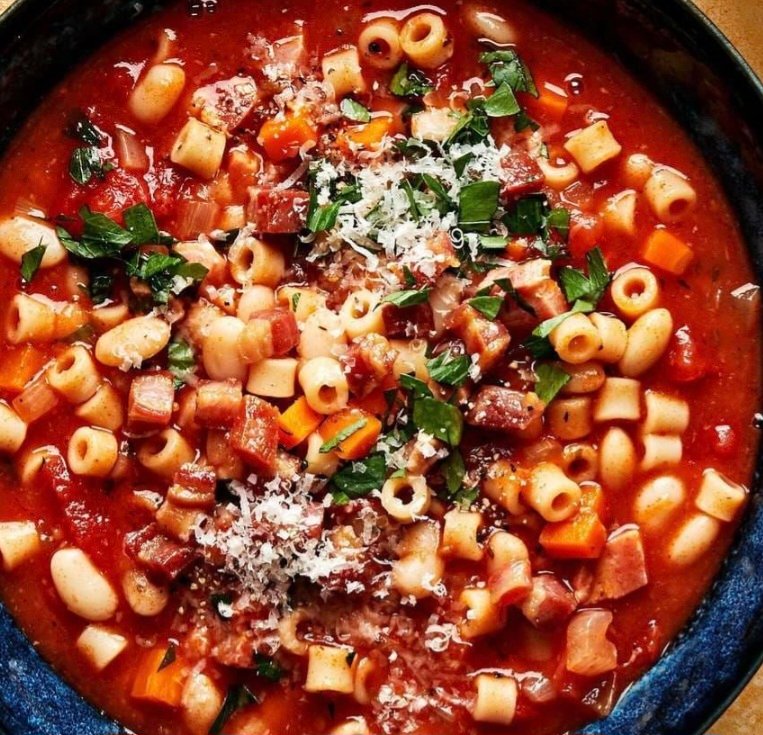
Pasta e Fagioli: A Hearty Italian Classic
Pasta e Fagioli, a delightful and comforting dish, translates to “pasta and beans” and is a staple of Italian cuisine. This dish is not only rich in flavor but also packed with nutrition, making it an ideal option for those seeking an energy-boosting meal. Additionally, its ingredients are often economical, adding to its popularity in households around the world. In this article, we will delve into the history, ingredients, preparation methods, and variations of Pasta e Fagioli, ensuring you can impress your family and friends with this timeless classic.
The History of Pasta e Fagioli
Pasta e Fagioli has its roots deeply embedded in the Italian culinary tradition. Its origins likely date back to ancient Roman times when legumes, especially beans, were a staple food. Given the dish’s humble beginnings, it’s no surprise that it became a beloved comfort food, particularly among working-class families. Different regions of Italy have their own variations, reflecting local ingredients and culinary practices, but the core components—pasta and beans—remain constant.
Essential Ingredients for a Flavorful Pasta e Fagioli
Creating a delicious Pasta e Fagioli involves using high-quality ingredients that blend together to create a wholesome meal. Below is a list of essential ingredients:
1. Pasta
Typically, smaller pasta shapes like ditalini, orzo, or elbow macaroni are favored. These pasta types allow for even distribution of flavors in each bite.
2. Beans
The heart of Pasta e Fagioli lies in its beans. Cannellini beans and borlotti beans are the most commonly used varieties, thanks to their creamy texture and ability to absorb flavors.
3. Vegetables
A classic recipe includes onions, garlic, carrots, and celery, often referred to as the “soffritto.” These vegetables form the flavor base of the dish.
4. Broth
A good quality vegetable or chicken broth enhances the savory depth of the pasta and beans, adding richness to the overall flavor profile.
5. Herbs and Seasonings
Fresh or dried herbs such as rosemary, thyme, and bay leaves complement the dish. Salt and pepper are essential for seasoning, while a pinch of red pepper flakes can add a delightful kick.
6. Olive Oil
Extra virgin olive oil serves as the primary fat, lending a fragrant, fruity note to the dish and enhancing the overall flavor.
7. Parmesan Cheese (Optional)
For an extra layer of richness, grated Parmesan cheese can be sprinkled on top before serving, adding a nutty and savory finish.
Preparation Steps for Pasta e Fagioli
Preparing Pasta e Fagioli is a simple and satisfying process. Here’s how to create this delicious dish:
Step 1: Prepare the Vegetables
Start by finely chopping the onions, garlic, carrots, and celery to create a perfect “soffritto.” This mixture will provide the foundation for the flavors in your dish.
Step 2: Sauté the Vegetables
In a large pot, heat 2-3 tablespoons of olive oil over medium heat. Add the chopped vegetables, season lightly with salt, and sauté until they are softened and fragrant, about 5-7 minutes.
Step 3: Add Garlic and Herbs
Stir in minced garlic and your choice of herbs (rosemary and thyme work wonderfully) and cook for an additional minute, allowing the garlic to become fragrant.
Step 4: Incorporate Beans and Broth
Add the canned cannellini beans (drained and rinsed) and the broth to the pot. For an added depth of flavor, consider incorporating tomato sauce or diced tomatoes at this stage.
Step 5: Simmer the Mixture
Bring the mixture to a gentle boil. Once boiling, reduce the heat and allow it to simmer for 15-20 minutes. This step allows the flavors to meld beautifully.
Step 6: Cook the Pasta
Add your choice of pasta to the pot and cook according to the package instructions, usually about 7-10 minutes, until the pasta is al dente. Make sure to stir occasionally to prevent sticking.
Step 7: Adjust Seasoning
Once the pasta is cooked, taste the dish and adjust the seasoning as needed. You can add more salt, pepper, or red pepper flakes depending on your preferences.
Step 8: Serve and Garnish
Ladle the hearty mixture into bowls, drizzle with extra virgin olive oil, and sprinkle with grated Parmesan cheese for added richness. Serve with crusty bread for a wholesome meal.
Popular Variations of Pasta e Fagioli
Pasta e Fagioli is wonderfully versatile, allowing for numerous variations that cater to different tastes and dietary preferences.
1. Vegetarian Version
Make this dish vegetarian by using vegetable broth and adding an assortment of vegetables such as spinach, zucchini, or bell peppers.
2. Meat Lover’s Pasta e Fagioli
For meat enthusiasts, adding diced pancetta or ground beef can enhance the dish’s heartiness. Sauté the meat along with the vegetables at the beginning for maximum flavor.
3. Spicy Pasta e Fagioli
To give your Pasta e Fagioli a bit of heat, include diced jalapeños or a dash of hot sauce. Adjust according to taste for a perfect balance of flavors.
The Benefits of Pasta e Fagioli
Pasta e Fagioli is not only delicious, but it also offers several health benefits:
– Rich in Protein: Beans are an excellent source of plant-based protein, making this dish a nutritious option.
– High in Fiber: The combined ingredients contribute to a high-fiber meal, promoting digestive health.
– Nutrient-Dense: The variety of vegetables adds vitamins and minerals, providing a well-rounded nutritional profile.
– Budget-Friendly: With simple ingredients that are easy to find, Pasta e Fagioli is a cost-effective meal that doesn’t compromise on taste or nutrition.
Conclusion: Enjoying Pasta e Fagioli
Pasta e Fagioli is more than just a meal; it’s a celebration of comfort food with deep cultural roots. Whether you’re preparing this dish for a family dinner or a cozy gathering with friends, its delightful flavors and aromas will surely impress. With the simplicity of its ingredients combined with the ease of preparation, Pasta e Fagioli can become a staple in your home-cooked repertoire. Experiment with different variations to find the perfect blend that suits your taste buds. Enjoy the satisfaction of creating a dish that connects you to the heart of Italian cuisine, bringing warmth and joy to your table.