
Introduction
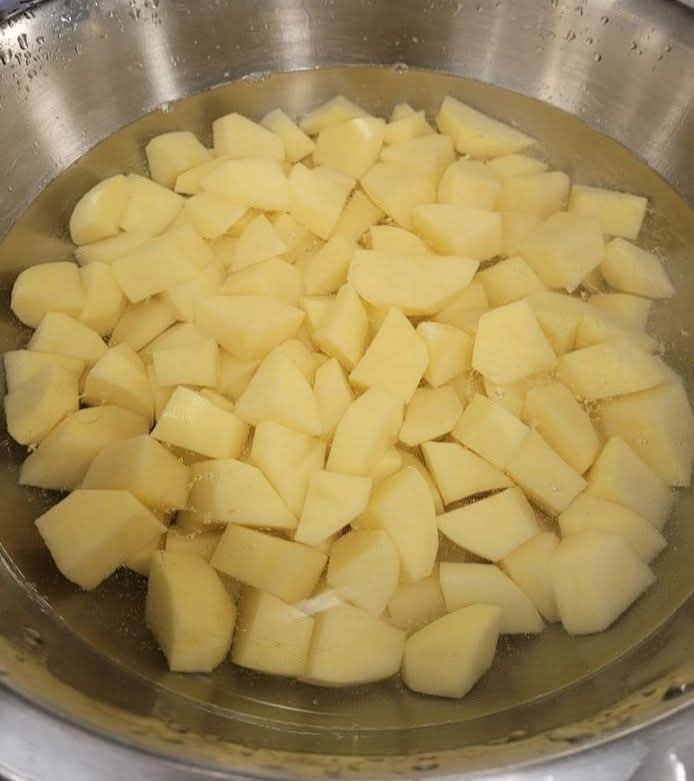
Peeled potatoes soaking in water is a fundamental yet often overlooked step that can dramatically improve your potato dishes. This simple technique involves immersing peeled potato chunks in cold water to remove excess surface starch and prevent oxidation, which keeps the potatoes from turning brown. Whether you are preparing potatoes for mashing, roasting, or salad, soaking them properly is a key step to ensure the best texture and appearance.
This method is ideal for home cooks who want to elevate their potato recipes with minimal effort. By soaking peeled potatoes, you can achieve fluffier, less gummy textures and maintain a fresh look, making your dishes stand out. The process is straightforward, inexpensive, and adaptable to many cooking styles, making it a valuable addition to your kitchen routine.
Why you’ll love this Peeled Potatoes Soaking in Water method
- Removes excess starch to ensure fluffier and less gummy potatoes when cooked, enhancing overall texture.
- Prevents potatoes from turning brown or oxidizing before cooking, keeping them visually appealing.
- Keeps potato pieces evenly hydrated, promoting uniform cooking and consistent doneness.
- Simple and quick prep step that integrates seamlessly into most potato recipes without extra hassle.
- Flexible technique useful whether boiling, roasting, or prepping potato salads, adapting well to various cooking methods.
Ingredients
- 1.5 kg potatoes, peeled and cut into chunks
- 2 L cold water
- 1 tbsp salt (optional, if boiling next)
Choosing the right potatoes is crucial for success. Starchy varieties like Russets are ideal for mashing due to their fluffy texture, while waxy types such as Yukon Gold or Red potatoes hold their shape better for salads and roasting. Always select firm potatoes free of sprouts or green spots to avoid bitterness and ensure freshness. Using cold water is essential as it slows down enzymatic reactions that cause browning and helps maintain the potatoes’ integrity during soaking. Salt is optional and typically added when boiling to season the potatoes without interfering with the soaking process.
Instructions
- Peel and cut potatoes: Start by peeling your potatoes and cutting them into evenly sized chunks to ensure consistent cooking.
- Submerge in cold water: Place the potato pieces in a large pot or bowl and cover them completely with 2 liters of cold water to prevent oxidation.
- Keep submerged if holding: If you’re not cooking the potatoes immediately, keep them fully submerged to avoid browning and starch buildup on the surface.
- Add salt and boil (optional): When ready to cook, add 1 tablespoon of salt to the water if boiling. Bring it to a boil, then simmer the potatoes for 12 to 18 minutes until fork-tender, adjusting time based on chunk size.
- Drain and proceed: Drain the potatoes well and continue with your recipe, whether mashing, roasting, or making a salad.
Tips for the best results
- Use cold water to prevent enzymatic browning and maintain potato freshness: Cold water slows the oxidation process, which keeps the surface of the potatoes from turning an unappetizing gray or brown color during soaking.
- Cut potatoes into uniform chunks so they cook evenly and consistently: Uneven pieces cook at different rates, leading to some parts being overdone while others remain undercooked; uniformity ensures perfect texture throughout.
- Soak peeled potatoes for at least 15 minutes if time allows to effectively reduce starch: This duration strikes a balance between removing surface starch and maintaining firmness, which is especially important for frying or roasting.
- If soaking for longer periods, change the water every few hours and refrigerate to keep potatoes fresh: Extended soaking can cause potatoes to absorb too much water or ferment slightly; changing water and cooling slows this process and preserves quality.
- Adding salt only when boiling helps season potatoes without affecting the soaking process: Salt in soaking water can toughen the potatoes’ exterior, so it’s best reserved for the cooking water to enhance flavor without compromising texture.
- Drain potatoes thoroughly after soaking to avoid excess moisture affecting your final dish: Excess water can dilute seasonings or prevent crispiness when roasting, so patting dry or draining well is essential.
Variations and substitutions
- Use warm water for a quicker soak if short on time, but watch closely to prevent softening: Warm water speeds up starch removal but can also start breaking down the potato’s structure, so limit soak time to 10 minutes max.
- Swap salt with herbs or garlic in the cooking water to infuse flavor during boiling: Adding aromatics to boiling water imparts subtle taste enhancements without altering texture.
- Try soaking sweet potatoes similarly to reduce starch and improve texture: While sweeter and less starchy, soaking sweet potatoes can still help remove surface starch and improve bite for roasting or frying.
- For roasting prep, soak then pat dry thoroughly to achieve crispier edges: Removing starch and surface moisture helps potatoes brown better and develop a crisp crust when roasted.
- If peeling is not preferred, scrub well and soak whole potatoes to remove surface dirt and some starch: This works well for rustic dishes where skin is desired; soaking still helps clean and slightly reduce starch.
Serving suggestions
Once your peeled potatoes have been soaked and cooked, the possibilities are endless. For a classic comfort side, mash them with butter, cream, or milk for a silky smooth consistency. Roasted potato chunks tossed with olive oil, fresh herbs like rosemary or thyme, and a sprinkle of sea salt make a flavorful accompaniment to any meal. For a refreshing potato salad, allow the cooked potatoes to cool before tossing with vinaigrette, chopped onions, celery, and herbs. The soaking step ensures your potatoes maintain the perfect texture—neither mushy nor dry—making them a versatile base for countless dishes.
Storage and reheating
If you need to store peeled potatoes before cooking, keep them submerged in fresh cold water inside the refrigerator to prevent browning and bacterial growth; change the water daily if soaking for more than a few hours. Cooked potatoes store well in airtight containers in the fridge for 3 to 4 days. To reheat without drying them out, use a microwave covered loosely with a damp paper towel or warm gently in an oven at low temperature, which helps retain moisture and texture. Avoid reheating repeatedly, as this can degrade quality and flavor.
Frequently asked questions
Why soak peeled potatoes in water?
Soaking peeled potatoes in water removes excess surface starch, which can cause potatoes to become gummy or gluey when cooked. It also prevents oxidation, which leads to browning and discoloration. This simple step helps maintain the potatoes’ fresh appearance and improves texture, making them ideal for mashing, roasting, or salads.
How long can peeled potatoes soak in water?
Peeled potatoes can soak safely in cold water for up to 24 hours if refrigerated, but soaking for 15 to 30 minutes is generally sufficient to reduce starch effectively without compromising texture. For longer soaking periods, it’s important to change the water every few hours to prevent fermentation or off-flavors and keep the potatoes crisp.
Do I need to add salt to the soaking water?
Salt is not necessary during soaking and is better added to the cooking water when boiling potatoes. Adding salt to soaking water does not aid starch removal and can sometimes toughen the potato’s outer layer, negatively affecting texture. Seasoning during cooking ensures better flavor absorption.
Can I soak potatoes if I don’t peel them?
Yes, soaking unpeeled potatoes helps remove surface dirt and some starch. However, the skin acts as a barrier, limiting starch removal compared to peeled potatoes. For recipes that require peeled potatoes, soaking after peeling is more effective in improving texture and appearance.
Will soaking potatoes affect cooking time?
Soaking potatoes hydrates them slightly, which can reduce cooking time marginally by allowing heat to penetrate more evenly. However, the difference is usually small. The size and uniformity of the potato chunks have a greater impact on cooking duration than soaking alone.
Final thoughts
Mastering the simple yet impactful technique of soaking peeled potatoes in water will consistently elevate your potato dishes. This easy step removes excess starch, prevents browning, and helps you achieve the perfect texture whether boiling, roasting, or making salads. Incorporate this method into your cooking routine and enjoy potatoes that are more flavorful, visually appealing, and cooked to perfection every time.