
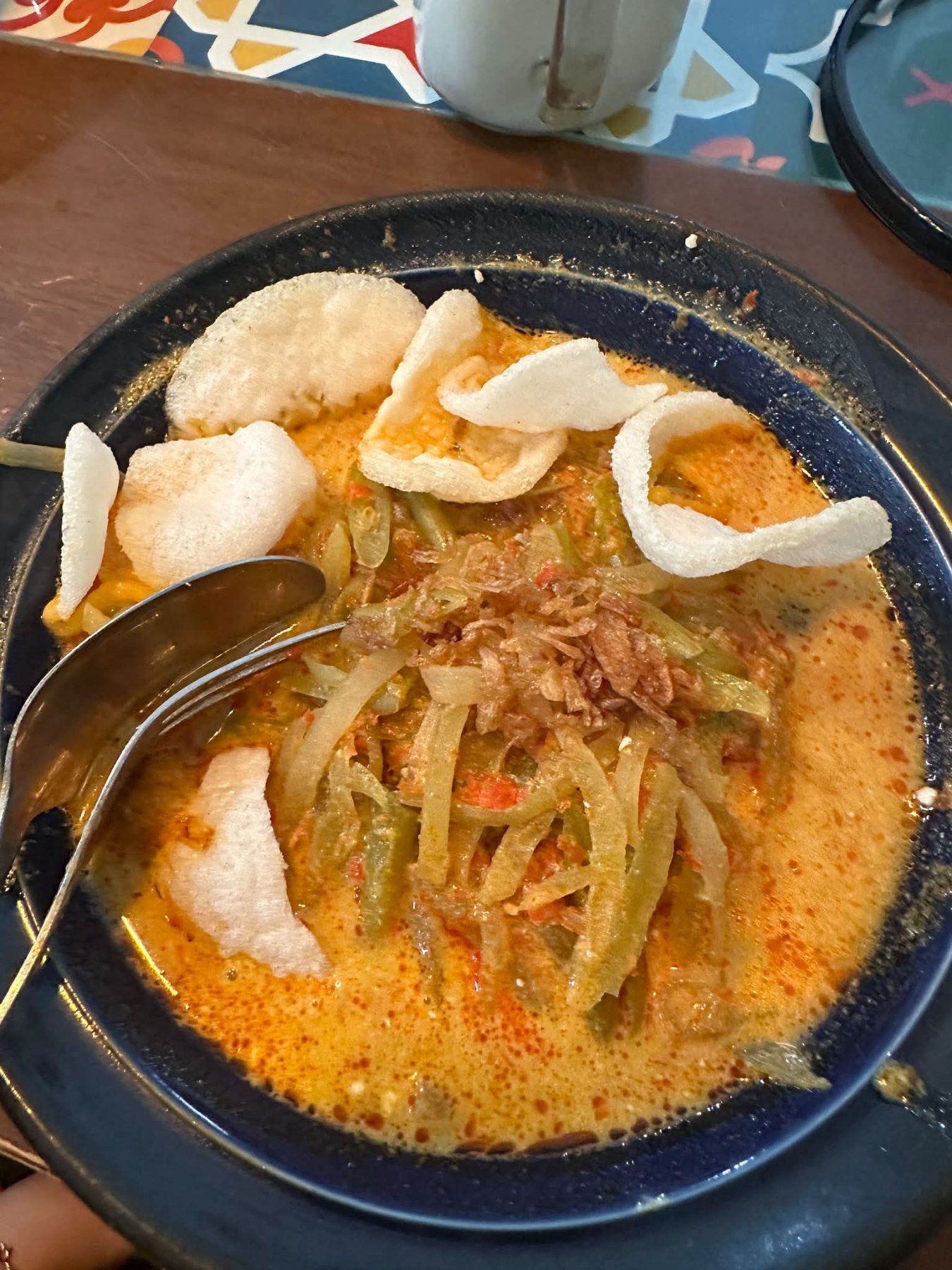
Sayur Lodeh is a traditional Indonesian vegetable coconut milk stew known for its rich, creamy texture and vibrant flavors. This dish combines fresh vegetables with fragrant spices, making it a perfect choice for anyone looking to enjoy a wholesome, comforting meal that’s both satisfying and nourishing. Whether you’re a fan of Southeast Asian cuisine or simply want to try a new vegetable stew, Sayur Lodeh offers a delicious way to explore authentic flavors.
Made with coconut milk, chayote, long beans, and a blend of aromatic spices, this recipe serves 4 and requires just 15 minutes of prep and about 20 minutes of cooking time. Its balanced taste, with a mild kick from red chilies and the earthiness of shrimp paste, makes Sayur Lodeh a versatile dish suitable for family dinners or casual gatherings.
Why you’ll love this Sayur Lodeh recipe
- It offers a creamy texture from coconut milk that enriches the vegetable flavors beautifully.
- The blend of spices like coriander, candlenuts, and lemongrass adds depth and authentic Indonesian aroma.
- This stew is highly adaptable, allowing you to use a variety of fresh vegetables based on availability.
- It’s a quick and easy recipe, perfect for busy weeknights without sacrificing taste.
- Sayur Lodeh pairs well with various side dishes, making it a flexible option for any meal.
Ingredients
- 2 tbsp vegetable oil
- 6 shallots, sliced
- 3 cloves garlic
- 3 red chilies
- 2 candlenuts or 1 tbsp macadamias/cashews
- 1 tsp coriander seeds
- 1/2 tsp shrimp paste (optional)
- 400 ml thick coconut milk
- 600 ml water or light stock
- 1 stalk lemongrass, bruised
- 2 bay leaves or Indonesian salam leaves
- 1 small chayote, peeled and cut into matchsticks
- 150 g long beans, cut into 4 cm pieces
- 150 g cabbage or young jackfruit strips
- 1 small tomato, chopped
- 1 tsp salt
- 1/2 tsp sugar
- fried shallots, for topping
- prawn crackers, for serving
This recipe yields 4 servings, with a total hands-on preparation and cooking time of approximately 35 minutes. The key ingredients include coconut milk, which provides the stew’s creamy base; chayote and long beans that add pleasant textures; and red chilies that bring a gentle heat. When selecting your vegetables, choose fresh, firm chayote and crisp long beans for the best results. Opt for thick, high-quality coconut milk to achieve the stew’s signature rich creaminess.
Instructions
- Prepare the spice paste: Blend or pound the shallots, garlic, red chilies, candlenuts (or macadamias/cashews), coriander seeds, and shrimp paste into a coarse spice paste.
- Fry the spice paste: Heat vegetable oil in a pot over medium heat and fry the paste until fragrant and the oil begins to separate, about 3 to 5 minutes.
- Add aromatics: Stir in the bruised lemongrass stalk and bay leaves or salam leaves, cooking briefly to release their fragrance.
- Simmer vegetables: Pour in water or light stock and bring to a gentle simmer. Add the chayote, long beans, and cabbage or young jackfruit strips, simmering until the vegetables are just tender, approximately 8 to 12 minutes.
- Incorporate coconut milk: Lower the heat and gently stir in the thick coconut milk. Add the chopped tomato along with salt and sugar.
- Finish cooking: Simmer very gently without boiling hard for about 5 more minutes, allowing the broth to become creamy and lightly orange from the chili oil.
- Adjust seasoning and serve: Taste and adjust the seasoning if needed. Serve the stew hot, topped with fried shallots and accompanied by prawn crackers either on the side or perched on the bowl.
Tips for the best results
- Use thick coconut milk for the richest flavor and creaminess; avoid watered-down versions.
- Bruise the lemongrass stalk to release its essential oils and aroma fully.
- Simmer gently after adding coconut milk to prevent curdling and maintain a smooth texture.
- Adjust the number of red chilies according to your preferred spice level.
- Fry the spice paste until the oil separates to deepen the flavors and prevent a raw taste.
- Add vegetables in order of cooking time to ensure even tenderness without overcooking.
Variations and substitutions
- Replace chayote with zucchini or pumpkin for a different texture and sweetness.
- Use spinach or kale instead of cabbage for a leafy green alternative.
- Swap shrimp paste with miso paste for a vegetarian-friendly umami boost.
- Add tofu cubes or tempeh for additional protein.
- Include other vegetables like carrots or eggplant to diversify the stew’s flavor and color.
Serving suggestions
Sayur Lodeh is traditionally served hot with steamed white rice, which balances the rich and creamy stew perfectly. Prawn crackers add a delightful crunch and contrast in texture. You can also pair it with Indonesian-style fried tempeh or grilled chicken for a heartier meal. Garnishing with extra fried shallots enhances the aroma and adds a crispy topping that complements the softness of the vegetables.
Storage and reheating
Store leftover Sayur Lodeh in an airtight container in the refrigerator for up to 2 days. When reheating, warm gently on the stove over low heat to prevent the coconut milk from separating. Stir frequently and add a little water or stock if the stew thickens too much. Avoid boiling vigorously to maintain the creamy texture.
Frequently asked questions
What is Sayur Lodeh?
Sayur Lodeh is a traditional Indonesian vegetable stew cooked in coconut milk with a blend of spices. It features vegetables like chayote, long beans, and cabbage, creating a creamy, flavorful dish commonly enjoyed with rice.
Can I make Sayur Lodeh vegetarian or vegan?
Yes, Sayur Lodeh can easily be made vegetarian or vegan by omitting shrimp paste and using vegetable stock. You may replace shrimp paste with a vegetarian umami substitute like miso paste for similar depth of flavor.
What vegetables can I use besides chayote and long beans?
You can substitute or add vegetables such as zucchini, pumpkin, carrots, eggplant, spinach, or kale depending on your preference and seasonal availability. The key is to add vegetables that hold up well in simmering coconut milk.
How spicy is Sayur Lodeh?
The spice level depends on the amount and type of red chilies used. Traditional recipes tend to have a mild to moderate heat. You can adjust the number of chilies to suit your taste, making it milder or spicier as desired.
Can I freeze Sayur Lodeh?
Freezing Sayur Lodeh is possible, but the texture of the coconut milk may change slightly upon thawing, becoming grainy. For best results, consume it fresh or refrigerate and use within a couple of days.
Final thoughts
Sayur Lodeh is a comforting and flavorful vegetable coconut milk stew that’s both easy to prepare and deeply satisfying. Its rich, aromatic broth paired with fresh vegetables makes it an excellent choice for a wholesome meal. Give this traditional Indonesian recipe a try to enjoy a taste of authentic Southeast Asian cuisine in your own kitchen.