
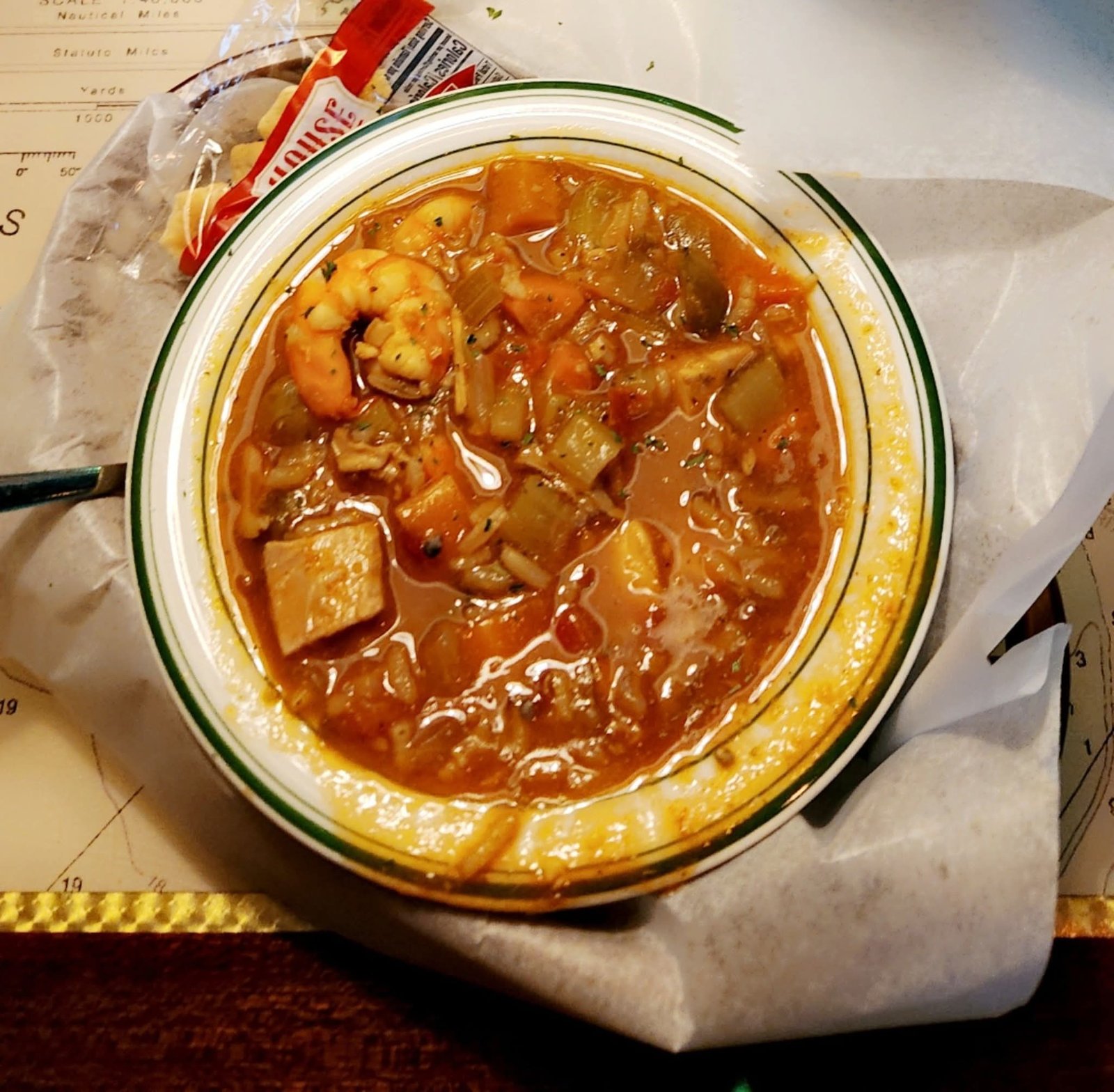
Seafood Gumbo Soup: A Flavorful Journey through Tradition
Seafood gumbo soup is a delicious and hearty dish that combines a wide variety of seafood, flavorful spices, and a rich, thick broth. Originating from Louisiana, gumbo is a blend of cultural influences, reflecting the diverse history of the region. In this article, we will delve into the history, ingredients, and preparation of this delightful dish and also explore its health benefits and variations.
The History of Seafood Gumbo Soup
The roots of gumbo trace back to the 18th century in Louisiana, where it embraced influences from various cuisines, including African, French, and Cajun. The word “gumbo” is believed to derive from the West African term for okra, “ki ngombo,” which is one of the key thickening agents used in the soup.
Chefs and home cooks alike have adapted seafood gumbo over time, creating countless variations. The dish showcases the bounty of the Gulf of Mexico, typically featuring shrimp, crab, and various fish. It has grown in popularity outside of Louisiana, becoming a staple in many kitchens across the United States.
Essential Ingredients for Seafood Gumbo Soup
To create an authentic seafood gumbo that bursts with flavor, you will need the following key ingredients:
1. The Holy Trinity
The base of any gumbo starts with the “holy trinity”: onions, bell peppers, and celery. This trio brings depth and a savory foundation to the dish.
2. Roux
A crucial component of gumbo is the roux, a mixture of flour and fat (often vegetable oil or butter) that is cooked until it reaches a rich, dark brown color. The roux provides a nutty flavor and thickens the soup.
3. Seafood
The star of seafood gumbo is, of course, the seafood. Common options include:
– Shrimp
– Crab meat
– Oysters
– Fish (e.g., catfish or tilapia)
4. Spices and Seasonings
Gumbo is known for its bold flavors, achieved through a combination of spices. Common seasonings include:
– Cajun seasoning
– Thyme
– Bay leaves
– Garlic
5. Stock or Broth
A good quality stock or broth enhances the flavor of gumbo. Seafood stock is an excellent choice, but chicken or vegetable stock works as well.
6. Okra (Optional)
While some recipes include okra for its thickening properties, others use filé powder, made from ground sassafras leaves, for richness and depth.
7. Rice
Served over cooked white rice, this dish brings together the ingredients for a satisfying meal.
How to Prepare Seafood Gumbo Soup
Preparing seafood gumbo soup can be a labor of love, but the result is worth every minute. Follow these steps to achieve a delicious bowl of gumbo:
Step 1: Make the Roux
In a large, heavy-bottomed pot, heat equal parts of flour and vegetable oil over medium heat. Stir continuously until the mixture turns a deep brown color, similar to chocolate. Be patient, as this process may take 15-30 minutes.
Step 2: Sauté the Vegetables
Add the chopped onions, bell peppers, and celery to the roux. Cook for about 5-7 minutes, stirring frequently, until the vegetables become tender.
Step 3: Add the Spices and Stock
Stir in minced garlic, Cajun seasoning, thyme, and bay leaves. Next, slowly add the stock while stirring to combine. Bring the mixture to a simmer.
Step 4: Introduce the Seafood
Once the broth is simmering, add the seafood gradually. Shrimp and crab meat typically require less cooking time, so add them last. Cook for an additional 5-10 minutes or until the seafood is just cooked through.
Step 5: Add Okra or Filé Powder
If using okra, add it to the pot about 5 minutes before the soup is done. Alternatively, sprinkle filé powder into individual servings for added flavor.
Step 6: Serve
Ladle the hot gumbo over a scoop of cooked rice in each bowl. Optionally, garnish with fresh parsley or green onions for a pop of color and freshness.
Health Benefits of Seafood Gumbo Soup
Seafood gumbo soup is not only a comforting dish but also comes packed with health benefits:
– Protein-Rich: Seafood provides high-quality protein, essential for muscle repair and overall health.
– Omega-3 Fatty Acids: The inclusion of fish and shellfish adds beneficial omega-3 fatty acids, which promote heart health and brain function.
– Vitamins and Minerals: The vegetables in gumbo, such as onions and bell peppers, are loaded with vitamins A and C, contributing to overall health while boosting the immune system.
– Low-Calorie Meal: When prepared with wholesome ingredients and served with vegetables, gumbo can be a lower-calorie meal option.
Variations of Seafood Gumbo
While traditional seafood gumbo is beloved, many variations exist to cater to different tastes and dietary restrictions:
1. Vegan Gumbo
By substituting seafood with plant-based proteins like lentils, chickpeas, or tofu and using vegetable stock, you can enjoy a delicious vegan gumbo.
2. Chicken and Sausage Gumbo
Including chicken, sausage, or both is a common variation that adds heartiness and different flavors.
3. Creole vs. Cajun
Although sometimes used interchangeably, Creole gumbo typically contains tomatoes, while Cajun gumbo does not. Experimenting with these variations can lead to new culinary adventures.
Conclusion
Seafood gumbo soup is a flavorful dish steeped in history, multicultural influences, and culinary artistry. Not only does it excite the taste buds, but it also offers numerous health benefits. With a bit of practice, you can master the art of gumbo and create a dish that will warm your soul and impress your family and friends. Whether you stick to a classic recipe or explore variations, seafood gumbo is sure to become a favorite in your home. Grab your apron, gather your ingredients, and embark on a delightful cooking adventure!