
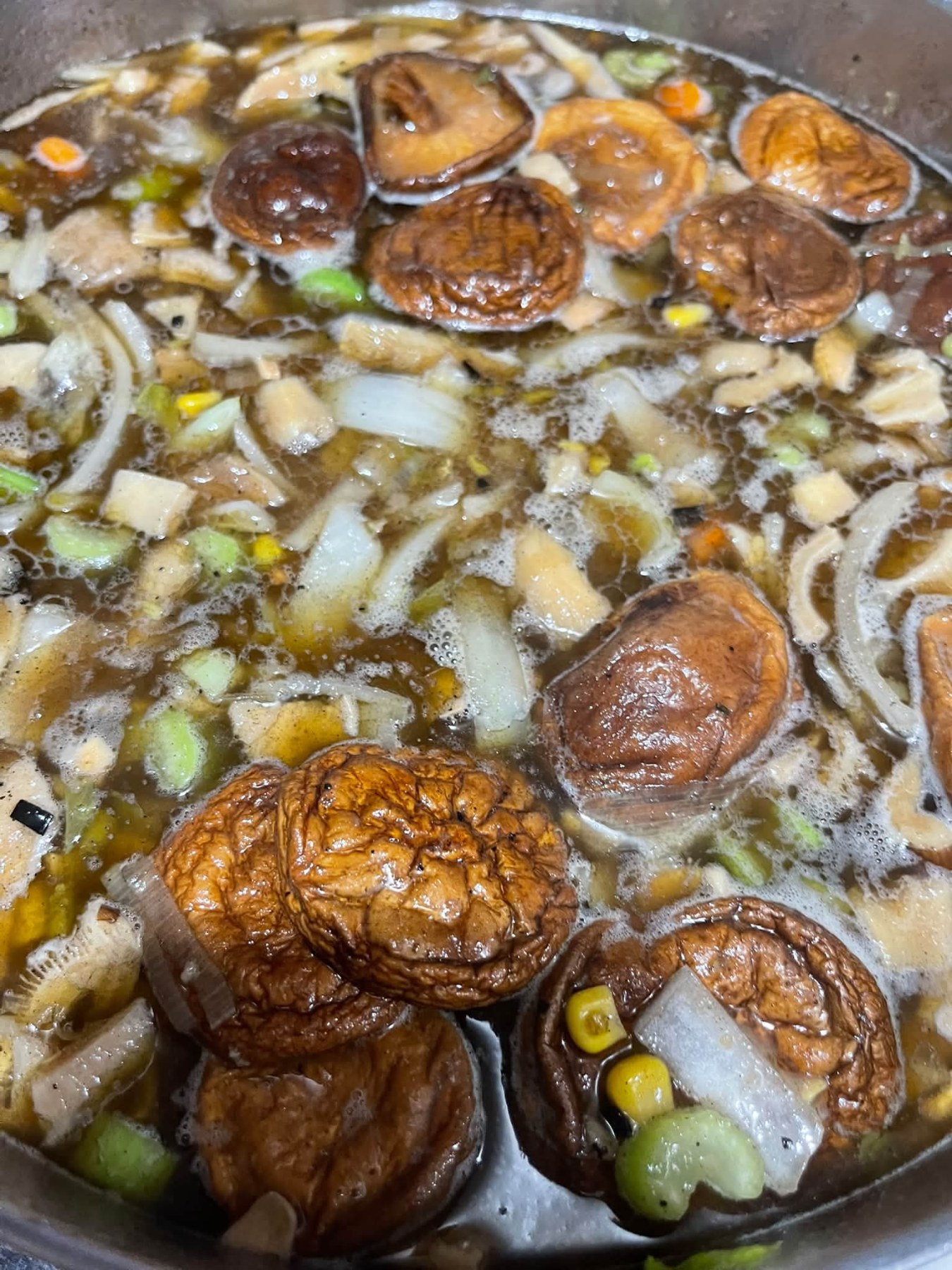
Shiitake Vegetable Soup is a comforting and nourishing dish that combines the rich umami flavor of shiitake mushrooms with fresh vegetables in a savory broth. This easy-to-make soup is perfect for anyone looking for a warm, healthy meal that is both satisfying and packed with nutrients. Whether you’re a vegetarian, vegan, or simply seeking a wholesome plant-based option, this soup offers a delicious way to enjoy a variety of fresh produce and earthy mushrooms.
Ideal for vegetarians and anyone seeking a wholesome, plant-based option, this soup works well as a light lunch or a starter for dinner. The balance of flavors and textures makes it a versatile recipe that can be enjoyed year-round. Its quick preparation and moderate cooking time mean you can have a nourishing bowl ready in under an hour, making it suitable for busy weeknights or relaxed weekend meals.
Why you’ll love this Shiitake Vegetable Soup
- It offers a rich, earthy flavor from shiitake mushrooms that enhances the vegetable broth beautifully, creating a deeply satisfying umami taste.
- The recipe uses simple, fresh ingredients that are easy to find and prepare, making it accessible even for novice cooks.
- This soup is both filling and light, providing a perfect balance for a healthy diet without feeling heavy or greasy.
- It is naturally vegan and gluten-free, accommodating various dietary needs and preferences.
- Preparation and cooking times are short, allowing you to enjoy a homemade soup quickly without compromising flavor or nutrition.
Ingredients
- 8 ounces shiitake mushrooms, stems removed and caps halved or left whole
- 1 tablespoon olive oil
- 1 medium onion, diced
- 2 celery stalks, sliced
- 1 small carrot, thinly sliced
- 1/4 cup corn kernels
- 2 cloves garlic, minced
- 6 cups vegetable broth
- 1 tablespoon soy sauce
- 1/2 teaspoon black pepper
- 1/2 teaspoon salt, or to taste
- 1 teaspoon dried thyme
- 1 bay leaf
This recipe yields 4 to 6 servings, with a prep time of 15 minutes and a cook time of 30 minutes. The main ingredients include shiitake mushrooms, which provide a meaty texture and deep flavor; fresh vegetables such as onion, celery, and carrot that add sweetness and crunch; and vegetable broth which forms the hearty base. When selecting shiitake mushrooms, choose firm, plump caps without dark spots for the best taste and texture. Fresh mushrooms will have a smooth, dry surface and a pleasant earthy aroma. Avoid mushrooms that feel slimy or have bruised areas, as these can negatively affect the flavor and consistency of your soup.
Instructions
- Heat the olive oil: Place a soup pot over medium heat and warm the olive oil until shimmering.
- Sauté the vegetables: Add the diced onion, sliced celery, and thinly sliced carrot. Cook for 5 to 6 minutes, stirring occasionally, until the vegetables begin to soften.
- Add the garlic: Stir in the minced garlic and cook for 30 seconds until fragrant, taking care not to burn it.
- Cook the mushrooms: Add the shiitake mushrooms to the pot and cook for 3 to 4 minutes, stirring occasionally, until they release their moisture and soften.
- Add liquids and seasonings: Pour in the vegetable broth, then add the corn kernels, soy sauce, dried thyme, bay leaf, salt, and black pepper. Stir to combine all ingredients evenly.
- Simmer the soup: Bring the mixture to a boil, then reduce the heat to a gentle simmer. Cover and cook for 20 to 25 minutes to allow flavors to meld.
- Adjust seasoning and serve: Taste the soup and adjust salt and pepper as needed. Remove the bay leaf before ladling the soup into bowls for serving.
Tips for the best results
- Use fresh shiitake mushrooms for the best texture and flavor; dried mushrooms can be rehydrated but may alter the soup’s consistency and yield a more intense, sometimes slightly chewy texture.
- Do not overcrowd the pot when cooking mushrooms to ensure they brown nicely instead of steaming, which helps develop richer flavors through caramelization.
- Adjust the salt carefully, especially if your vegetable broth is already salted, to avoid an overly salty soup. Taste before adding more salt.
- Simmer gently rather than boiling vigorously to preserve the delicate flavors of the vegetables and mushrooms, preventing them from becoming mushy or losing their aroma.
- Add corn kernels towards the end of cooking if you prefer them to retain more crunch and sweetness, as prolonged cooking can soften them excessively.
- Use a wooden spoon to stir gently to avoid breaking up the vegetables, keeping the soup visually appealing and texturally pleasant.
Variations and substitutions
- Replace shiitake mushrooms with cremini or button mushrooms for a different mushroom flavor profile that is milder and more common, suitable for those new to shiitake.
- Add diced potatoes or sweet potatoes for a heartier texture and added nutrition, lending a creamy element when cooked through.
- Use tamari instead of soy sauce to make the soup gluten-free without sacrificing the savory umami notes.
- Incorporate fresh herbs like parsley or cilantro for a bright, fresh finish that adds a pop of color and aroma just before serving.
- Add a splash of lemon juice or apple cider vinegar before serving to enhance the soup’s depth of flavor by adding a subtle acidity that balances the earthiness.
Serving suggestions
This Shiitake Vegetable Soup pairs wonderfully with crusty whole-grain bread or a warm baguette to soak up the flavorful broth, adding a satisfying contrast in texture. For a more substantial meal, serve alongside a fresh green salad dressed with a light vinaigrette or a simple grain dish like quinoa or brown rice, which complements the soup’s earthy notes and adds extra fiber and protein. Garnish with chopped fresh herbs such as parsley or chives to add a burst of color and freshness, elevating both presentation and taste.
Storage and reheating
Store leftover soup in an airtight container in the refrigerator for up to 3 days to preserve freshness and prevent spoilage. When reheating, warm gently on the stovetop over medium-low heat until heated through, stirring occasionally to ensure even temperature without breaking down the vegetables. Avoid boiling, as this can cause the ingredients to become mushy and diminish flavor. For longer storage, freeze the soup for up to 2 months in a freezer-safe container. Thaw overnight in the refrigerator before reheating to maintain the best texture and taste.
Frequently asked questions
Can I use dried shiitake mushrooms instead of fresh?
Yes, dried shiitake mushrooms can be used but should be soaked in warm water for 20 to 30 minutes until softened. After soaking, drain the mushrooms and reserve the soaking liquid, which is rich in umami flavor and can be added to the soup for extra depth. However, reduce the vegetable broth slightly to compensate for the added liquid and avoid thinning the soup. Note that dried mushrooms may have a chewier texture and more concentrated flavor compared to fresh.
Is this soup suitable for people with gluten intolerance?
This recipe is naturally gluten-free if you use gluten-free soy sauce such as tamari. It’s important to verify that your vegetable broth does not contain gluten-containing additives or flavorings, as some commercial broths may include wheat-derived ingredients. Always read product labels carefully or opt for certified gluten-free products to ensure the soup is safe for those with gluten intolerance or celiac disease.
Can I add other vegetables to this soup?
Absolutely. Vegetables like diced zucchini, bell peppers, or green beans can be added to enhance nutrition and variety. When adding additional vegetables, consider their individual cooking times to ensure even tenderness. For example, add firmer vegetables like carrots or potatoes earlier, and softer ones like zucchini or peas closer to the end of cooking to prevent overcooking and preserve texture.
How can I make this soup more filling?
To make the soup more substantial, add cooked grains like rice, quinoa, or barley, or include beans such as cannellini or chickpeas. These additions introduce extra protein and fiber, turning the soup into a complete meal that can satisfy hunger longer. Adding grains or legumes also provides additional texture and heartiness without overwhelming the delicate mushroom flavor.
What is the best way to store leftover soup?
Allow the soup to cool completely before transferring it to airtight containers to prevent condensation and bacterial growth. Refrigerate for up to three days or freeze for longer storage, ideally in portion-sized containers for easy thawing. When reheating, do so gently over low to medium heat to preserve the soup’s texture and flavor, stirring occasionally. Avoid rapid boiling to keep the vegetables intact and maintain the broth’s clarity.
Final thoughts
Shiitake Vegetable Soup is a delicious and wholesome dish that brings comforting warmth and rich flavors to your table. Easy to prepare and packed with nutritious ingredients, it suits a variety of diets and occasions. This recipe highlights the unique taste of shiitake mushrooms combined with fresh vegetables, making it a versatile and satisfying meal option. Give this soup a try to enjoy a nourishing homemade dish that will quickly become a favorite in your recipe collection.