
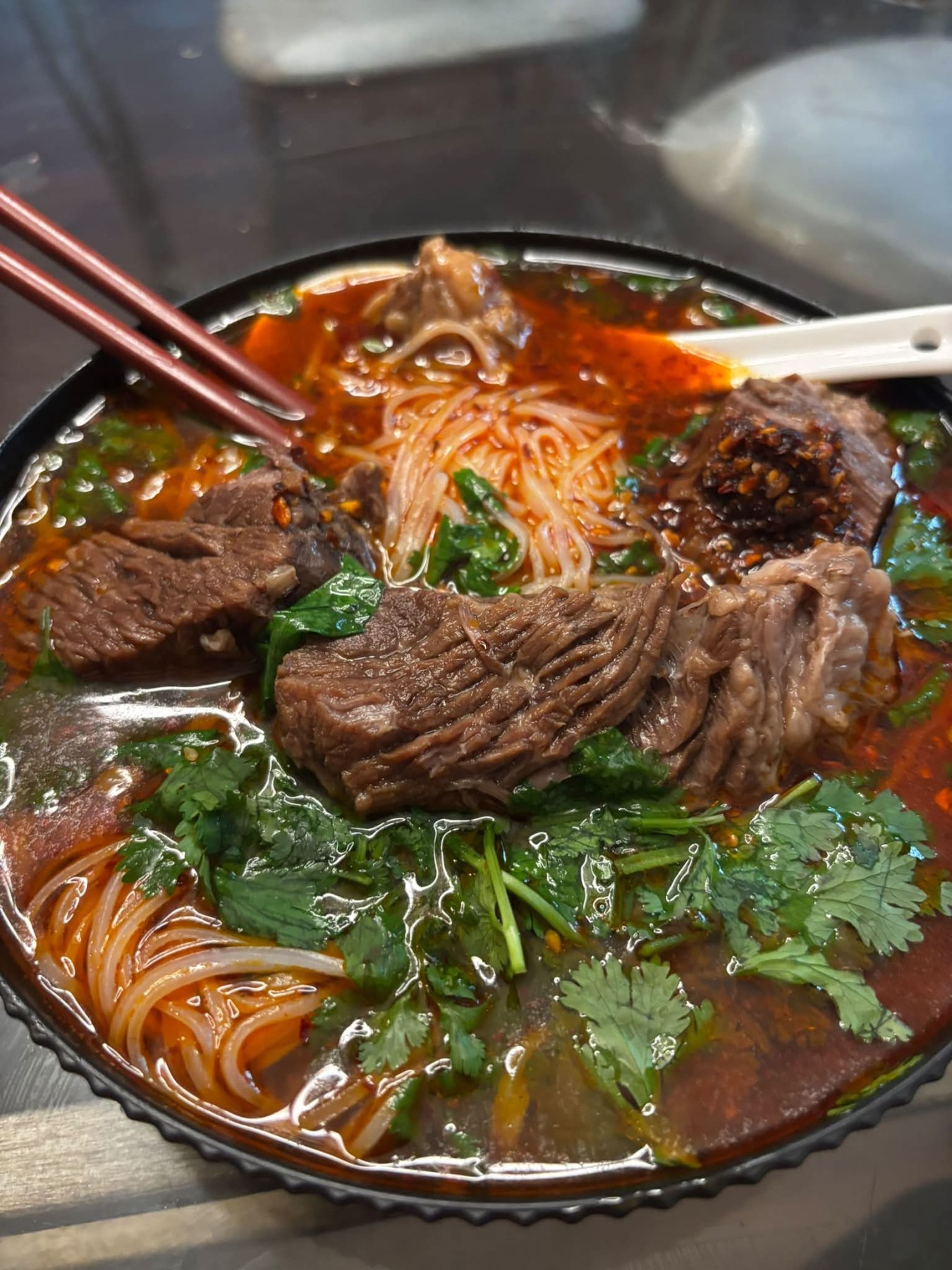
Sichuan Spicy Beef Rice Noodle Soup is a soul-warming dish that brings the bold flavors of Sichuan cuisine right to your table. This authentic noodle soup features tender beef chunks, fragrant spices, and a spicy, savory broth paired with delicate rice noodles. It’s perfect for anyone who loves a rich, hearty soup with a kick of heat and complex aromatics.
Whether you’re cooking for a family dinner or craving a comforting bowl after a long day, this recipe delivers deep flavor and satisfying texture. The slow-simmered beef and infused broth make the soup incredibly rich, while the rice noodles add a lovely softness that balances the spice. Ready in about 2 hours and serving 4, it’s a fantastic choice for a leisurely weekend meal or special occasion dinner.
Why you’ll love this Sichuan Spicy Beef Rice Noodle Soup
- This recipe combines tender slow-cooked beef with a bold, spicy broth for a deeply satisfying flavor.
- The use of authentic Sichuan ingredients like doubanjiang and Sichuan peppercorns creates a distinctive numbing heat unique to this cuisine.
- Rice noodles soak up the spicy broth perfectly, offering a soft, silky texture that complements the beef.
- The soup is versatile and can be made ahead, improving flavor as it rests and making it great for meal prep.
- Fresh cilantro and scallions add brightness and freshness, balancing the rich and spicy elements.
Ingredients
- 2 lb beef chuck or brisket, cut in large chunks
- 12 oz dried rice noodles
- 8 cups beef stock
- 1 medium onion, sliced
- 1 thumb ginger, sliced
- 6 cloves garlic, smashed
- 3 tbsp doubanjiang
- 2 tbsp soy sauce
- 1 tbsp dark soy sauce
- 2 tbsp Shaoxing wine
- 1 tbsp chili flakes
- 1 tsp Sichuan peppercorns, lightly crushed
- 2 star anise
- 1 small cinnamon stick
- 2 bay leaves
- 1 tsp sugar
- salt to taste
- 4 tbsp chili oil, plus more for serving
- 1 bunch cilantro, roughly chopped
- 2 scallions, sliced
This dish relies on quality beef chuck or brisket, which becomes tender and flavorful after slow simmering. Choose fresh, firm beef with good marbling for the best texture. Dried rice noodles are key for that authentic silky, tender bite; soak or boil them carefully to avoid overcooking. The beef stock should be rich and well-seasoned to carry the complex spices like doubanjiang, star anise, and Sichuan peppercorns. Fresh aromatics like ginger, garlic, and onion add depth, while chili oil and flakes provide the iconic Sichuan heat.
Instructions
- Blanch the beef: Bring a pot of water to a boil and add the beef chunks. Blanch for 2 minutes to remove impurities, then drain and rinse the beef under cold water. Set aside.
- Sauté aromatics and spices: In a large pot, heat the chili oil over medium heat. Add the sliced onion, ginger, and smashed garlic. Stir-fry until fragrant, about 2-3 minutes. Add the doubanjiang, chili flakes, and lightly crushed Sichuan peppercorns, cooking briefly to release their flavors.
- Add beef and liquids: Return the blanched beef to the pot. Pour in the beef stock, soy sauce, dark soy sauce, and Shaoxing wine. Add star anise, cinnamon stick, bay leaves, and sugar.
- Simmer the soup: Bring the mixture to a gentle simmer. Cover and cook for 1 1/2 to 2 hours, or until the beef is very tender and shreddable. Taste and season with salt as needed.
- Prepare the noodles: Meanwhile, soak or boil the dried rice noodles according to package instructions until just tender. Drain well.
- Assemble and serve: Divide the cooked noodles among serving bowls. Ladle the spicy beef broth and generous chunks of beef over the noodles. Garnish with chopped cilantro, sliced scallions, and extra chili oil or chili paste to taste.
Tips for the best results
- Blanching the beef removes impurities, resulting in a clearer broth.
- Simmer gently to keep the beef tender and prevent the broth from becoming cloudy.
- Adjust chili oil amounts to control the soup’s heat level to your preference.
- Soak the rice noodles if you want to avoid overcooking; then briefly dip in boiling water before serving.
- Lightly crush Sichuan peppercorns just before cooking to preserve their aroma.
- Use fresh cilantro and scallions added right before serving to maintain their bright flavor.
Variations and substitutions
- Use beef shank or short ribs instead of chuck or brisket for different textures and flavors.
- Swap rice noodles for wheat noodles if preferred, but soak them carefully to avoid sogginess.
- Replace doubanjiang with a mix of chili bean paste and miso for a milder, umami-rich broth.
- Add vegetables such as bok choy or napa cabbage for extra freshness and nutrition.
- For a less spicy version, reduce chili flakes and omit chili oil, or serve it on the side.
Serving suggestions
Sichuan Spicy Beef Rice Noodle Soup is best served hot, garnished generously with fresh cilantro and scallions. Pair it with simple side dishes like steamed greens or a light cucumber salad to balance the heat. Offering extra chili oil and chili paste at the table lets everyone customize their spice level. This soup also pairs well with a cold jasmine tea or light lager to complement its bold flavors.
Storage and reheating
Store leftover soup and beef separately from the noodles in airtight containers in the refrigerator for up to 3 days. Reheat the broth gently on the stove to avoid over-reducing it. Rewarm noodles by briefly dipping them in hot water or microwaving them covered with a damp paper towel. Assemble freshly before serving to maintain the best texture and flavor.
Frequently asked questions
Can I use fresh rice noodles instead of dried?
Yes, fresh rice noodles can be used and usually require less soaking or cooking time. Adjust cooking as needed to prevent overcooking, as fresh noodles tend to be more delicate than dried ones.
What is doubanjiang and can I substitute it?
Doubanjiang is a spicy fermented chili bean paste essential to Sichuan cooking. If unavailable, you can substitute with a mix of chili garlic sauce and miso paste for a similar umami and heat profile, though the flavor won’t be exactly the same.
How do I reduce the soup’s spiciness?
To make the soup less spicy, reduce or omit chili flakes and chili oil. You can also serve extra chili oil on the side so diners can add heat according to their preference.
Can this soup be made in a slow cooker?
Yes, after blanching the beef and sautéing the aromatics, transfer everything to a slow cooker and cook on low for 6-8 hours until the beef is tender. Add spices and seasonings early on for full flavor development.
What cut of beef is best for this recipe?
Beef chuck or brisket are ideal because they become tender and flavorful after long, slow cooking. These cuts have enough fat and connective tissue to enrich the broth and create a melt-in-your-mouth texture.
Final thoughts
Making Sichuan Spicy Beef Rice Noodle Soup at home is a rewarding way to experience the bold, complex flavors of Sichuan cuisine. This recipe balances tender beef, aromatic spices, and spicy heat with comforting rice noodles for a truly satisfying meal. Give it a try for your next cozy dinner and enjoy a delicious bowl of authentic spicy noodle soup that will warm you inside and out.