
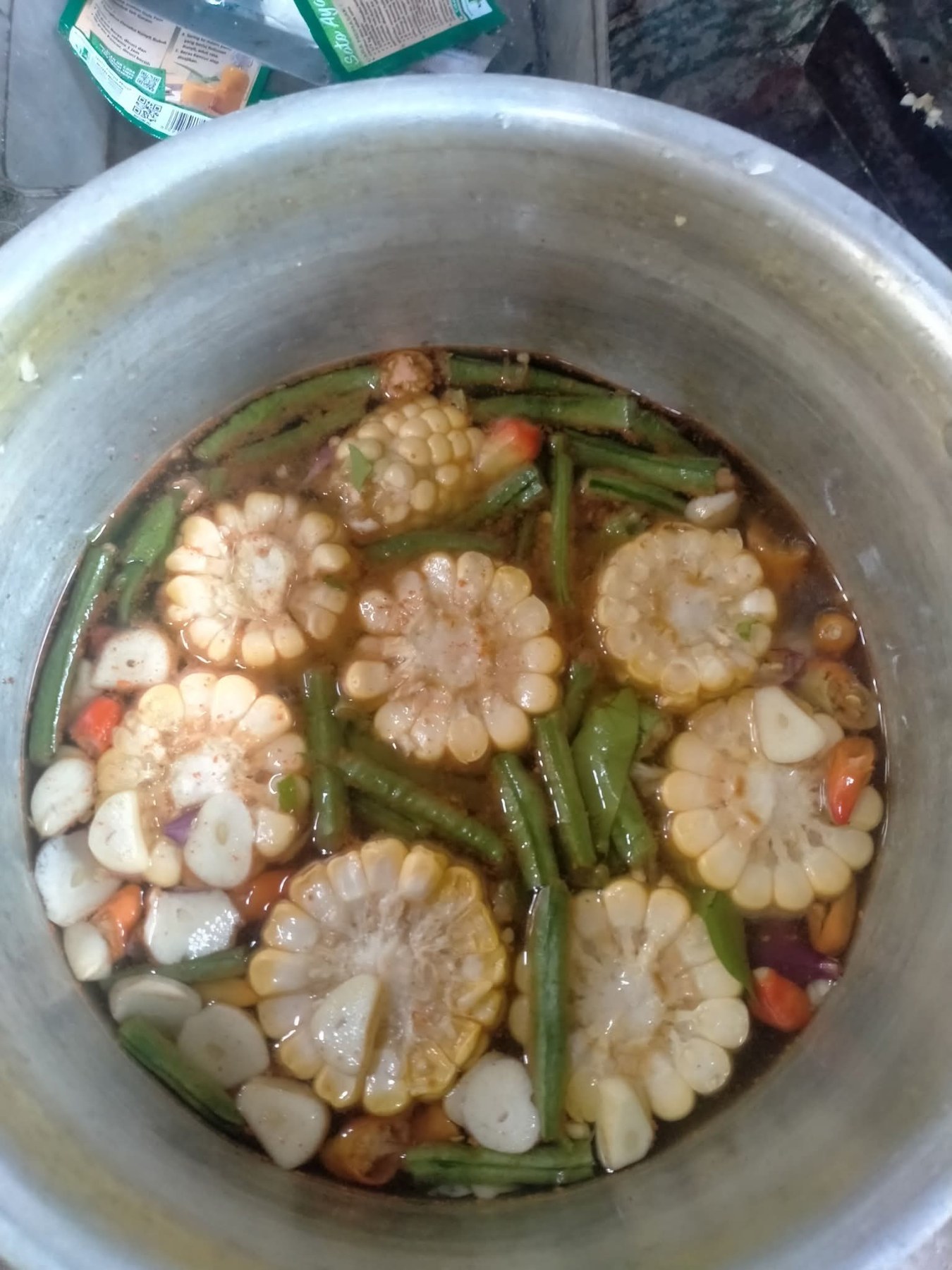
Sinigang na Gulay with Corn and Sitaw is a beloved Filipino vegetable soup known for its signature tangy and savory flavor profile. This dish features fresh corn on the cob and sitaw (long beans) simmered in a comforting tamarind broth, making it a wonderful light meal or side dish. Whether you’re exploring Filipino cuisine for the first time or seeking a wholesome, easy-to-prepare soup, this recipe delivers authentic flavors with minimal effort.
Serving four people, this soup requires just 10 minutes of preparation and about 25 minutes of cooking time, making it perfect for busy weeknights or relaxed weekend dinners. The harmonious balance between the sour broth and fresh vegetables appeals to those who enjoy nutritious, vegetable-forward dishes that are both flavorful and satisfying.
Why you’ll love this Sinigang na Gulay with Corn and Sitaw
- It offers a distinctive tangy flavor derived from tamarind that brightens the vegetable broth with a refreshing zest.
- The natural sweetness of fresh corn combined with the crisp texture of long beans creates an enjoyable contrast in every spoonful.
- This soup is light yet packed with nutrients, making it an excellent choice for anyone seeking a healthy, vegetable-rich meal.
- The recipe is straightforward and requires minimal ingredients, making it accessible for beginner cooks or those short on time.
- Its flexibility allows you to customize the sourness and spice level to perfectly suit your personal taste preferences.
Ingredients
- 6 cups water
- 1 small onion, quartered
- 2 medium tomatoes, quartered
- 1 whole head garlic, cloves peeled and halved
- 2 tablespoons tamarind paste or 1 packet sinigang mix
- 1 tablespoon fish sauce
- 2 ears corn, cut into 6 to 8 rounds
- 200 g long beans (sitaw), cut into 2-inch pieces
- 2 to 4 small red chilies
- 1 tablespoon cooking oil (optional)
- Salt to taste
- Ground black pepper to taste
This recipe yields 4 servings with approximately 10 minutes of prep time and 25 minutes of cooking time. The key ingredients include fresh corn on the cob and long beans, which contribute natural sweetness and a satisfying crunch. For the best results, select fresh, firm corn with bright yellow kernels and vibrant green sitaw that snap easily when bent. The tamarind paste or sinigang mix is essential in providing the soup’s characteristic sourness, so choose a quality product or fresh tamarind for authentic flavor.
Instructions
- Bring water to boil: In a large pot, bring 6 cups of water to a rolling boil to form the soup base.
- Add aromatics: Add the quartered onion, tomatoes, and halved garlic cloves to the boiling water. Reduce heat and simmer for 5 minutes until fragrant and the flavors meld.
- Mix in souring agents: Stir in 2 tablespoons of tamarind paste or a packet of sinigang mix along with 1 tablespoon of fish sauce to develop the characteristic tangy and savory broth.
- Cook the corn: Add the corn rounds to the pot and simmer for 10 to 15 minutes until they are nearly tender but still retain some bite.
- Add sitaw and chilies: Stir in the long beans and red chilies, then cook for 3 to 5 minutes until the beans are just tender, ensuring they don’t become mushy.
- Season to taste: Taste the broth and adjust seasoning with salt and ground black pepper as needed. Add a little more tamarind paste or sinigang mix if a stronger sour flavor is preferred.
- Serve hot: Ladle the soup into bowls and serve immediately as a comforting light vegetable soup.
Tips for the best results
- Use fresh corn and long beans: Fresh produce ensures the best natural sweetness and crisp texture, which are key to the soup’s appeal. Older vegetables may result in a duller flavor and mushy texture.
- Simmer aromatics gently: Keeping the heat moderate when simmering the onion, tomatoes, and garlic allows their flavors to infuse the broth fully without breaking down too much, preserving clarity and depth.
- Adjust chili quantity wisely: The number of red chilies controls the spice level. Removing seeds reduces heat while keeping flavor, so tailor this to your preference for mild or spicy soup.
- Avoid overcooking long beans: Sitaw should remain slightly crisp to provide textural contrast. Overcooking makes them soft and less appealing, detracting from the soup’s freshness.
- Taste before salting: Fish sauce adds saltiness, so sample the broth before adding extra salt to prevent over-seasoning the soup.
- Strain for a clearer broth: If you prefer a cleaner-looking soup, strain the broth after simmering aromatics but before adding vegetables. This removes solids and results in a more translucent broth.
Variations and substitutions
- Green beans or asparagus: Substitute sitaw with these if unavailable; both provide a similar crisp texture and mild flavor.
- Lemon or tamarind juice: Use fresh lemon juice or tamarind juice as souring agents if tamarind paste or sinigang mix is not on hand, adjusting amounts to taste.
- Additional vegetables: Incorporate radish, eggplant, or okra to add more variety, texture, and nutritional value to the soup.
- Vegetarian version: Omit fish sauce and replace it with soy sauce or salt to keep the dish vegetarian or vegan while maintaining savory depth.
- Protein additions: Add shrimp, pork, or fish to transform the soup into a heartier meal while keeping the classic sinigang flavor.
Serving suggestions
Sinigang na Gulay with Corn and Sitaw is traditionally served hot alongside steamed white rice, which balances the tangy broth’s brightness and adds satisfying substance to the meal. For a more filling experience, pair it with grilled fish or fried tofu, both of which complement the soup’s flavors without overpowering them. Adding crispy fried garlic or freshly chopped green onions on top enhances aroma and texture, giving each bowl an extra layer of richness. This soup also works beautifully as a starter before a larger Filipino feast or as a standalone light lunch, offering a refreshing yet comforting dining experience.
Storage and reheating
Store any leftover sinigang in an airtight container in the refrigerator for up to 2 days to maintain freshness. Vegetables may soften further during storage, so reheat gently on the stove over medium heat rather than boiling, which helps preserve texture and flavor. If the broth thickens or loses some of its characteristic sourness, add a splash of water and a little tamarind paste or sinigang mix before reheating to restore its bright, tangy taste. Avoid microwave reheating for best texture retention.
Frequently asked questions
What is sinigang na gulay?
Sinigang na gulay is a traditional Filipino sour vegetable soup known for its distinctive tangy broth, typically made with tamarind as the souring agent. It features a variety of fresh vegetables and sometimes includes meat or seafood. This particular version highlights corn and sitaw (long beans), offering a fresh and simple interpretation of the classic dish that is both nutritious and flavorful.
Can I use fresh tamarind instead of tamarind paste?
Yes, fresh tamarind can be used as a souring agent, but it requires soaking the tamarind pods in hot water and straining to extract the juice. This process takes more time and effort compared to using tamarind paste or sinigang mix, which offer convenience and consistent sourness. Fresh tamarind may provide a more complex flavor but requires careful preparation.
Is sinigang na gulay spicy?
The spiciness of sinigang na gulay depends entirely on the amount and type of red chilies added. You can control the heat by adjusting the number of chilies or removing their seeds, which contain most of the capsaicin that causes heat. This flexibility allows you to customize the soup from mild to moderately spicy according to your preference.
Can I make this soup vegetarian or vegan?
Absolutely. To make sinigang na gulay vegetarian or vegan-friendly, simply omit the fish sauce and replace it with soy sauce, mushroom sauce, or salt to maintain the umami and salty notes. This modification keeps the soup flavorful while aligning with vegetarian or vegan dietary choices.
How do I store leftover sinigang soup?
Leftover sinigang soup should be stored in an airtight container in the refrigerator and is best consumed within 2 days for optimal freshness. When reheating, warm the soup gently on the stove to avoid overcooking the vegetables, which can become mushy. Refresh the broth’s sourness with a little tamarind paste or sinigang mix if needed before serving again.
Final thoughts
Sinigang na Gulay with Corn and Sitaw is a delightful and comforting soup that captures the heart of Filipino home cooking. Its bright, tangy broth combined with fresh, crunchy vegetables offers a nourishing meal that is both easy to prepare and deeply satisfying. Whether you’re new to Filipino flavors or a seasoned fan, I encourage you to try this recipe and enjoy a vibrant taste of the Philippines right from your own kitchen.