
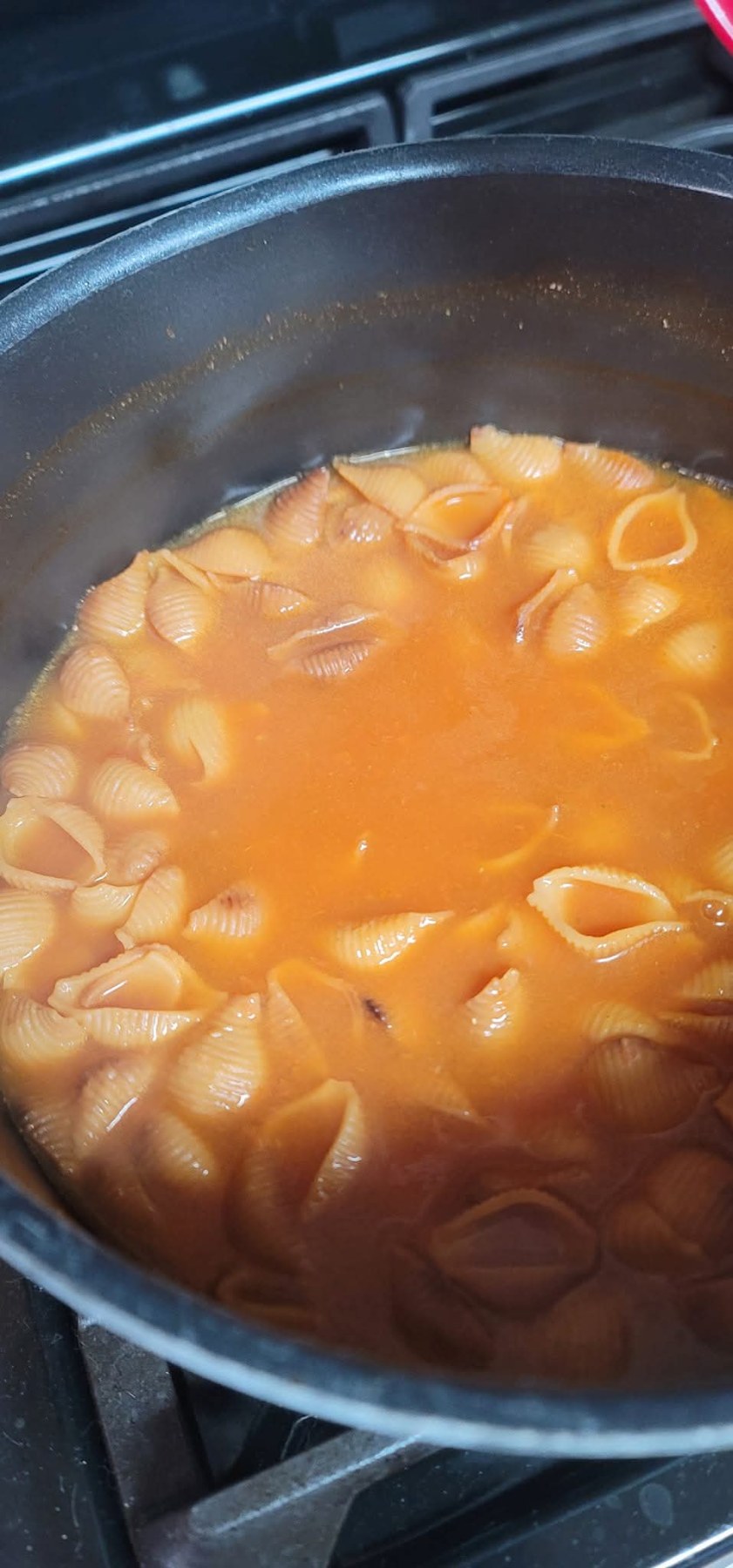
Sopa de Conchitas is a comforting Mexican tomato broth soup made with small shell pasta, known in Spanish as conchitas. It is the kind of simple, warming bowl that Mexican families make on busy weeknights, and it comes together in about 20 minutes with ingredients you probably already have in the pantry. The pasta is lightly toasted in oil before the tomato is added, which gives the broth a deeper, almost nutty flavor that makes this soup much more interesting than a plain tomato soup.
This recipe is perfect for anyone who wants a quick, budget-friendly starter or a light side dish that feels homemade. It serves four, and it is easy enough for beginner cooks while still tasting like the sopa you would find at a family table in Mexico. If you have ever wondered how to make a tomato-based pasta soup that is hearty but not heavy, this is the recipe to try first.
Why you’ll love this Sopa de Conchitas
- It comes together in about 20 minutes, so it is a reliable option for busy weeknights when you want something warm without a long cooking session.
- Toasting the dry shell pasta in oil before adding liquid gives the broth a rich, golden flavor that you cannot get from simply boiling pasta in tomato water.
- It uses only a handful of basic ingredients, most of which are kitchen staples, so you rarely need a special shopping trip to make it.
- The shell pasta soaks up the tomato broth as it cooks, so every spoonful is packed with flavor and has a pleasantly tender bite.
- It is easy to customize, letting you adjust the broth thickness, add garnishes or make it lighter or heartier to suit your taste.
Ingredients
- 8 oz (about 2 cups) small shell pasta (conchitas)
- 2 tablespoons vegetable oil
- 2 medium ripe tomatoes (or 1 cup tomato sauce)
- 1/4 small white onion, roughly chopped
- 1 clove garlic
- 4 cups chicken broth or water with 1 tablespoon chicken bouillon
- Salt to taste
- Optional garnish: chopped cilantro, crumbled queso fresco, lime wedge
Choose ripe, fragrant tomatoes for the best flavor, since they give the broth natural sweetness and body. If fresh tomatoes are out of season, a cup of tomato sauce works well and makes the soup a little richer. For the pasta, look for small shells labeled conchitas or conchiglie, which cook evenly in about 10 minutes. Chicken broth gives the most savory result, but a bouillon cube or paste dissolved in water is a convenient and flavorful alternative.
Instructions
- Blend the tomato base. Add the tomatoes, chopped onion and garlic to a blender and process until completely smooth. Strain the mixture through a fine sieve if you prefer a silky broth without bits of skin or seeds.
- Toast the pasta. Heat the vegetable oil in a saucepan over medium heat. Add the dry shell pasta and stir constantly for 2-3 minutes, until the shells are lightly golden and smell toasty.
- Fry the tomato mixture. Carefully pour in the blended tomato mixture, which will sizzle, and fry it for 2-3 minutes while stirring. It should darken slightly and begin to thicken, which deepens the flavor.
- Add the broth. Pour in the chicken broth, or the water with bouillon, and increase the heat until the liquid comes to a boil.
- Simmer until tender. Reduce the heat to medium-low and simmer, stirring occasionally, for about 10-12 minutes, until the pasta is tender and the broth has a pleasant, soupy consistency.
- Season and adjust. Taste the soup and add salt as needed. If it looks too thick, stir in a splash of hot water until you reach your preferred texture.
- Serve hot. Ladle the soup into bowls and top with chopped cilantro, crumbled queso fresco and a squeeze of lime if you like.
Tips for the best results
- Toast the pasta until it is evenly golden, but do not let it burn, since burnt pasta will make the whole soup taste bitter.
- Fry the tomato mixture long enough to darken slightly, because this step removes the raw, sharp taste of fresh tomato and builds depth.
- Stir the pasta often while it simmers, especially near the end, so the shells do not stick to the bottom of the pan.
- Keep the heat at medium-low during the simmer to prevent the broth from reducing too quickly and the pasta from becoming mushy.
- Taste before adding salt, since bouillon and broth already contain sodium and the seasoning may need only a small adjustment.
- Add hot water gradually at the end, since the pasta keeps absorbing liquid as the soup rests.
Variations and substitutions
- Vegetarian version: Use vegetable broth or a vegetable bouillon in place of chicken broth to make the soup fully meatless.
- Chipotle kick: Blend in one small chipotle pepper in adobo for a smoky, spicy note that suits the tomato base well.
- Add vegetables: Stir in diced carrots or a handful of corn kernels along with the broth for extra color and sweetness.
- Different pasta: Small elbow macaroni or orzo can replace the shells, though the cooking time may change slightly, so check for tenderness.
- Heartier soup: Add shredded cooked chicken or a can of drained chickpeas at the end to turn the soup into a more filling meal.
Serving suggestions
Sopa de Conchitas is traditionally served as a first course, or sopa seca style starter, before a main dish of grilled meat, rice and beans. It also works beautifully as a light lunch on its own when paired with warm corn tortillas or a simple green salad with lime dressing. For a cozy dinner, serve it with a platter of quesadillas or a plate of sliced avocado and fresh radishes. Set out small bowls of toppings such as cilantro, diced onion, queso fresco and lime wedges so everyone can customize their own bowl.
Storage and reheating
Store leftover soup in an airtight container in the refrigerator for up to three days. The pasta will continue to absorb liquid as it sits, so the soup will thicken considerably, and you should add a splash of broth or hot water when reheating. Reheat gently on the stove over medium-low heat, stirring until hot throughout. Avoid boiling the soup hard during reheating, since this can make the pasta soft and break it apart.
Frequently asked questions
Can I make Sopa de Conchitas ahead of time?
You can prepare the tomato base up to a day ahead and keep it refrigerated. For the best texture, cook the pasta just before serving, since the shells will continue to soften as the soup sits. If you must make the whole soup ahead, slightly undercook the pasta and loosen the leftovers with broth when reheating.
Do I have to toast the pasta first?
Toasting is not strictly required, but it adds a wonderful golden, nutty flavor that makes the soup taste more layered. If you skip it, add the pasta directly to the tomato mixture and simmer as directed, though the broth will be a little less rich.
What kind of tomatoes work best?
Ripe Roma or vine tomatoes are excellent because they have good flavor and not too much water. If your tomatoes are pale or sour, adding a little tomato sauce will improve the color and balance the taste.
Can I use canned tomatoes instead of fresh?
Yes, canned tomatoes or tomato sauce work well and are convenient, especially outside the tomato season. Choose a good-quality brand and blend it with the onion and garlic as you would with fresh tomatoes.
Is Sopa de Conchitas spicy?
Traditional sopa de conchitas is mild and savory rather than spicy. You can add heat by serving it with salsa or a sprinkle of chili flakes, or by blending in a chipotle pepper for a smoky kick.
Final thoughts
Sopa de Conchitas is one of those humble recipes that proves simple ingredients can deliver deep, comforting flavor. With its toasted shell pasta, rich tomato broth and fresh garnishes, it is a warm bowl you will want to make again and again. Gather a few pantry staples, set aside 20 minutes, and try this Mexican tomato broth shell pasta soup for dinner tonight. We think you will be glad you did.