
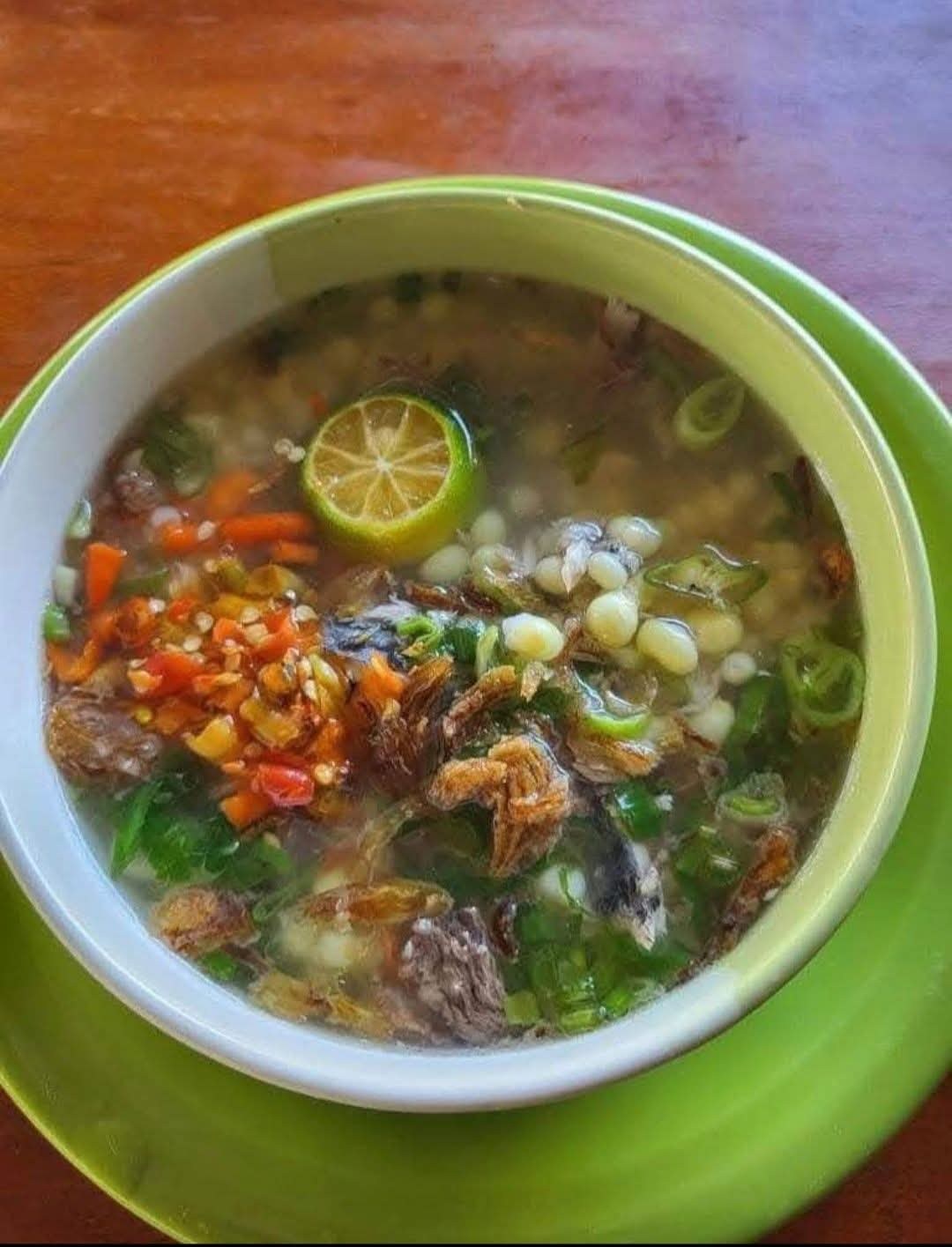
Soto Bandung is a traditional Indonesian clear beef soup that combines tender beef shank, white radish, and soft soybeans in a fragrant broth. This comforting dish is perfect for those who love hearty yet light soups with a subtle balance of savory and fresh flavors. Ideal for family meals or special occasions, Soto Bandung is both nourishing and satisfying.
With a prep time of about 20 minutes plus overnight soaking and a cook time of just over 2 hours, this recipe yields 4 to 6 servings of rich, aromatic soup. The slow simmering process ensures the beef becomes tender and the broth develops deep flavor, making it a favorite among Indonesian cuisine enthusiasts and anyone wanting to explore authentic Southeast Asian dishes.
Why you’ll love this Soto Bandung Indonesian Clear Beef Soup Recipe
- This soup offers a unique combination of tender beef and soft soybeans for a delightful texture contrast.
- The clear broth is light yet deeply flavorful, making it comforting without heaviness.
- It’s versatile and can be customized with chilies and lime for your preferred spice and tang.
- Soto Bandung is a wholesome, protein-rich meal that’s perfect for warming up on cooler days.
- The garnish of fried shallots and fresh herbs adds a delicious crunch and fresh aroma that elevates the dish.
Ingredients
- 750 g beef shank or brisket
- 2 liters water
- 1 white radish/daikon, peeled and cut into chunks
- 100 g dried soybeans, soaked overnight
- 4 cloves garlic, lightly crushed
- 6 shallots, sliced
- 2 stalks scallions, chopped
- 2 stalks celery, chopped
- 2 bay leaves
- 1 small piece ginger, bruised
- 1/2 tsp white pepper
- Salt to taste
- 1 tsp sugar
- 2 tbsp oil
- Fried shallots for garnish
- Bird’s-eye chilies or sliced red chilies for serving
- 2 small limes or calamansi, halved
This recipe calls for key ingredients like beef shank or brisket, which provides rich flavor and tender meat after slow cooking. White radish (daikon) adds a mild sweetness and soft texture, while soaked soybeans bring a nutty, creamy element to the soup. Aromatics such as garlic, shallots, ginger, and bay leaves build the fragrant broth. When selecting ingredients, choose fresh, firm daikon and a good-quality beef cut with some marbling for the best results.
Instructions
- Cook the soybeans: Drain the soaked soybeans and boil them in fresh water until tender. Once cooked, drain and set aside for later use.
- Prepare the beef broth: Place the beef shank or brisket with 2 liters of water in a large pot. Bring to a boil and skim off any foam that rises to the surface to keep the broth clear.
- Add aromatics and simmer: Add bay leaves and bruised ginger to the pot. Reduce the heat and let it simmer gently for about 1.5 to 2 hours, or until the beef is very tender.
- Shred the beef and strain broth: Remove the beef from the pot and allow it to cool slightly. Cut or shred the meat into bite-sized pieces. Strain the broth if needed, then return it to the pot.
- Sauté shallots and garlic: Heat oil in a pan over medium heat. Add the sliced shallots and lightly crushed garlic, cooking until fragrant and lightly golden brown.
- Add sautéed aromatics to broth: Stir the shallot-garlic mixture into the broth. Season with white pepper, salt, and sugar to taste.
- Cook the daikon: Add the cut white radish chunks to the broth. Simmer until tender but still holding shape, about 15 to 20 minutes.
- Combine beef and soybeans: Return the shredded beef to the pot along with the cooked soybeans. Simmer together for an additional 5 minutes to meld flavors.
- Serve and garnish: Ladle the soup into bowls. Top each serving with chopped scallions, celery, and a sprinkle of fried shallots.
- Final touches: Serve hot with halved lime or calamansi and bird’s-eye chilies or sliced red chilies on the side for added zest and spice.
Tips for the best results
- Soak soybeans overnight for even cooking and softer texture in the soup.
- Skim foam carefully during boiling to keep your broth clear and clean-tasting.
- Simmer beef gently to ensure it becomes tender without toughening or drying out.
- Do not overcook the daikon; it should be tender but still hold its shape to avoid a mushy soup.
- Adjust seasoning gradually, tasting as you go to get the perfect balance of salt and pepper.
- Use fresh fried shallots for garnish to add a crispy texture and enhance aroma just before serving.
Variations and substitutions
- Vegetarian version: Replace beef with firm tofu and vegetable broth, and omit soybeans if desired.
- Sweet corn addition: Add fresh or canned sweet corn kernels for extra sweetness and texture.
- Spicy twist: Increase bird’s-eye chilies or add chili oil for more heat.
- Herbal variation: Add kaffir lime leaves or lemongrass during simmering for a citrusy aroma.
- Alternative protein: Use chicken breast or drumsticks instead of beef for a lighter version.
Serving suggestions
Soto Bandung is best enjoyed hot and fresh, served in deep bowls to hold the flavorful broth and generous toppings. Pair it with steamed jasmine rice or fragrant coconut rice to complete the meal. The fresh lime or calamansi juice squeezed over the soup adds a bright, tangy contrast that enhances every spoonful. For extra heat, offer sliced bird’s-eye chilies or red chilies on the side, allowing each diner to customize their spice level.
Storage and reheating
Store leftover Soto Bandung in an airtight container in the refrigerator for up to 3 days. The flavors will deepen overnight, making leftovers even more delicious. When reheating, warm the soup gently over low to medium heat to avoid overcooking the radish and beef. Add fresh garnishes just before serving to maintain their texture and aroma.
Frequently asked questions
Can I use other cuts of beef for Soto Bandung?
Yes, you can use cuts like brisket, chuck, or shank as they become tender with slow cooking. Avoid lean cuts that might dry out during long simmering.
Do I have to soak the soybeans overnight?
Soaking soybeans overnight softens them and reduces cooking time, resulting in a creamier texture in the soup. If short on time, soak for at least 4 hours, but overnight is best.
What can I substitute for white radish if unavailable?
If you can’t find white radish (daikon), you can use turnips or peeled kohlrabi as a substitute. These vegetables provide similar texture and mild flavor.
Is Soto Bandung spicy?
Traditionally, Soto Bandung is mildly flavored. Spice level depends on how much chili you add when serving, allowing you to control heat according to preference.
Can I make this soup ahead of time?
Yes, Soto Bandung tastes even better the next day as the flavors deepen. Prepare and refrigerate the soup, then reheat gently before serving with fresh garnishes.
Final thoughts
Soto Bandung is a delicious and comforting Indonesian clear beef soup that’s both hearty and refreshing. Its blend of tender beef, creamy soybeans, and mild radish in a fragrant broth makes it a unique dish worth trying. Whether you’re new to Indonesian cuisine or a longtime fan, this recipe offers a satisfying way to enjoy authentic flavors at home. Give it a try and enjoy a warm bowl of tradition!