
Introduction
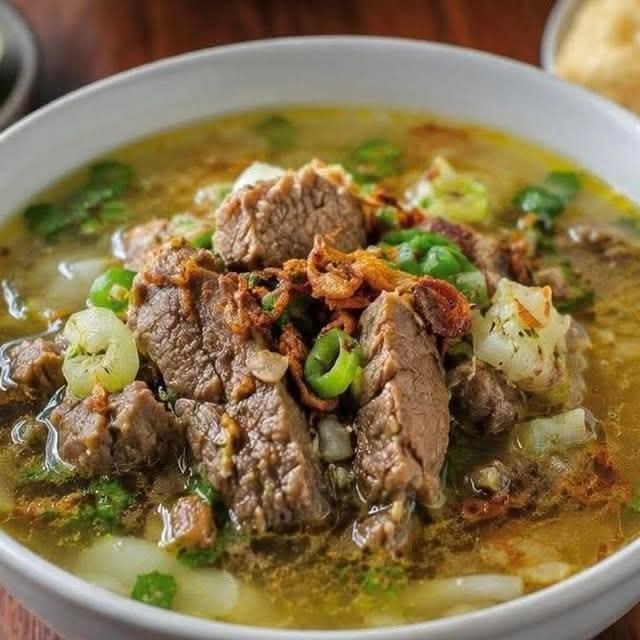
Soto Daging Indonesia is a traditional Indonesian beef soup known for its rich, aromatic broth and tender chunks of beef. This comforting dish combines fragrant spices like lemongrass, kaffir lime leaves, and turmeric to create a flavorful experience perfect for family meals or special occasions.
Ideal for those who love hearty, warming soups with a complex spice profile, Soto Daging Indonesia requires about 20 minutes of prep and nearly two hours of simmering to develop its deep flavors. Whether you serve it with rice noodles or sliced rice cake, this recipe brings the authentic taste of Indonesia to your kitchen with straightforward steps.
Why you’ll love this Soto Daging Indonesia
- This soup offers a perfect balance of savory beef and aromatic spices that awaken the palate.
- The slow simmering process ensures tender, flavorful beef that melts in your mouth.
- Using lemongrass and kaffir lime leaves adds a fresh citrusy note that brightens the broth.
- The combination of rice noodles or rice cake makes it a satisfying and versatile meal.
- It’s a wholesome, comforting dish that works well for family dinners or meal prep.
Ingredients
- 1 lb beef chuck or brisket, cut into chunks
- 8 cups beef stock or water
- 2 stalks lemongrass, bruised
- 3 kaffir lime leaves
- 2 inches ginger, sliced
- 2 inches galangal, sliced
- 4 cloves garlic
- 6 shallots
- 1 teaspoon ground coriander
- 1/2 teaspoon black pepper
- 1/2 teaspoon turmeric
- 1 tablespoon vegetable oil
- 1 teaspoon salt, plus more to taste
- 8 oz flat rice noodles or 2 cups sliced rice cake (lontong)
- 3 scallions, thinly sliced
- 1/2 cup fried shallots
- 1 tablespoon celery leaves or chopped cilantro (optional)
- Lime wedges, for serving
This recipe serves 4 people and involves approximately 20 minutes of preparation and 1 hour 45 minutes of cooking. The key ingredients include beef chuck or brisket, which offers rich flavor and tenderness when slow-cooked. Fresh spices such as lemongrass, kaffir lime leaves, ginger, and galangal provide the distinctive Indonesian aroma and depth. Choose fresh herbs and quality beef stock if using, as they greatly enhance the soup’s taste. For the starch, select either soft flat rice noodles or traditional sliced rice cake to match your texture preference.
Instructions
- Prepare the spice paste: Blend or pound the garlic, shallots, ground coriander, black pepper, and turmeric into a smooth paste. This paste forms the aromatic base of the soup.
- Sauté the paste: Heat the vegetable oil in a large pot over medium heat. Fry the spice paste for 2 to 3 minutes until fragrant, stirring regularly to prevent burning.
- Add beef and aromatics: Add the beef chunks, bruised lemongrass stalks, kaffir lime leaves, sliced ginger, and galangal to the pot. Stir everything together for 1 to 2 minutes to coat the meat with spices.
- Pour in liquid and season: Add the beef stock or water along with 1 teaspoon of salt. Bring the mixture to a boil, then reduce heat to a gentle simmer.
- Simmer until tender: Allow the soup to simmer uncovered for about 1 1/2 to 2 hours, or until the beef is tender. Skim off any foam or impurities that rise to the surface during cooking.
- Remove aromatics and adjust taste: Take out the lemongrass, kaffir lime leaves, ginger, and galangal pieces. Taste the broth and add more salt if needed.
- Cook noodles or prepare rice cake: While the beef cooks, prepare the flat rice noodles according to package instructions or slice and warm the rice cake (lontong) for serving.
- Assemble the bowls: Divide the cooked noodles or rice cake evenly among serving bowls. Ladle the hot beef soup and tender meat over the starch.
- Garnish and serve: Top each bowl generously with thinly sliced scallions and fried shallots. Add celery leaves or chopped cilantro if desired, and serve with lime wedges on the side for squeezing over.
Tips for the best results
- Use fresh lemongrass and kaffir lime leaves for the most vibrant aroma and flavor.
- Simmer the beef gently to keep it tender and prevent it from becoming tough.
- Skim off foam during simmering to keep the broth clear and clean-tasting.
- Adjust salt gradually, especially if using store-bought beef stock which can vary in saltiness.
- Prepare toppings like fried shallots and scallions just before serving for maximum crispness and freshness.
- If using rice noodles, avoid overcooking to prevent them from becoming mushy in the soup.
Variations and substitutions
- Substitute beef chuck with brisket or shank for different textures but similar flavor.
- Use chicken stock and chicken meat instead of beef for a lighter variation called Soto Ayam.
- Replace flat rice noodles with vermicelli or thin egg noodles for a different noodle texture.
- Add hard-boiled eggs or boiled potatoes to the soup for extra heartiness.
- Incorporate a splash of coconut milk for a richer, creamier broth.
Serving suggestions
Soto Daging Indonesia is traditionally served hot as a main meal, perfect for lunch or dinner. You can pair it with a simple side of steamed vegetables or a fresh cucumber salad to balance the rich flavors. The lime wedges add a bright acidity that lifts the dish, making each spoonful refreshing. Offering sambal or chili sauce on the side provides an option for those who enjoy a spicy kick. This soup is satisfying on its own but also complements other Indonesian dishes well.
Storage and reheating
Store leftover Soto Daging in an airtight container in the refrigerator for up to 3 days. When reheating, warm the soup gently on the stove over medium-low heat to avoid overcooking the beef or noodles. If the broth has thickened, add a splash of water or stock to loosen it. Avoid reheating in the microwave to maintain the soup’s texture and flavor. Prepare fresh garnishes before serving again to keep the toppings crisp.
Frequently asked questions
What cut of beef is best for Soto Daging?
Beef chuck or brisket are ideal for this soup because they become tender and flavorful when simmered for a long time. These cuts have enough fat and connective tissue to enrich the broth without becoming dry.
Can I make Soto Daging without galangal?
While galangal adds a distinct earthy aroma, you can omit it if unavailable. Ginger alone will provide some warmth and spice, but the flavor will be less complex. Fresh galangal is recommended for authenticity.
Is it better to use beef stock or water?
Using beef stock enhances the soup’s richness and depth, but water works fine if you prefer a lighter broth or want to keep it simple. Adding quality stock will give a more robust flavor.
How should I store and reheat leftovers?
Store Soto Daging in the fridge in a sealed container for up to 3 days. Reheat gently on the stove to preserve beef tenderness and broth clarity. Add a little water if needed to loosen the soup.
Can I prepare this soup in a slow cooker?
Yes, you can adapt the recipe for a slow cooker by browning the spice paste and beef first, then simmering on low for 6 to 8 hours until the beef is tender. Add delicate herbs like lemongrass and kaffir lime leaves in the last hour.
Final thoughts
Soto Daging Indonesia is a beautiful example of Indonesian cuisine’s rich flavors and comforting qualities. This easy-to-follow recipe brings together fragrant spices, tender beef, and satisfying noodles or rice cake to create a meal that warms both body and soul. Whether you’re new to Indonesian cooking or looking to expand your recipe collection, give this classic soup a try and enjoy a delicious taste of Indonesia at home.