
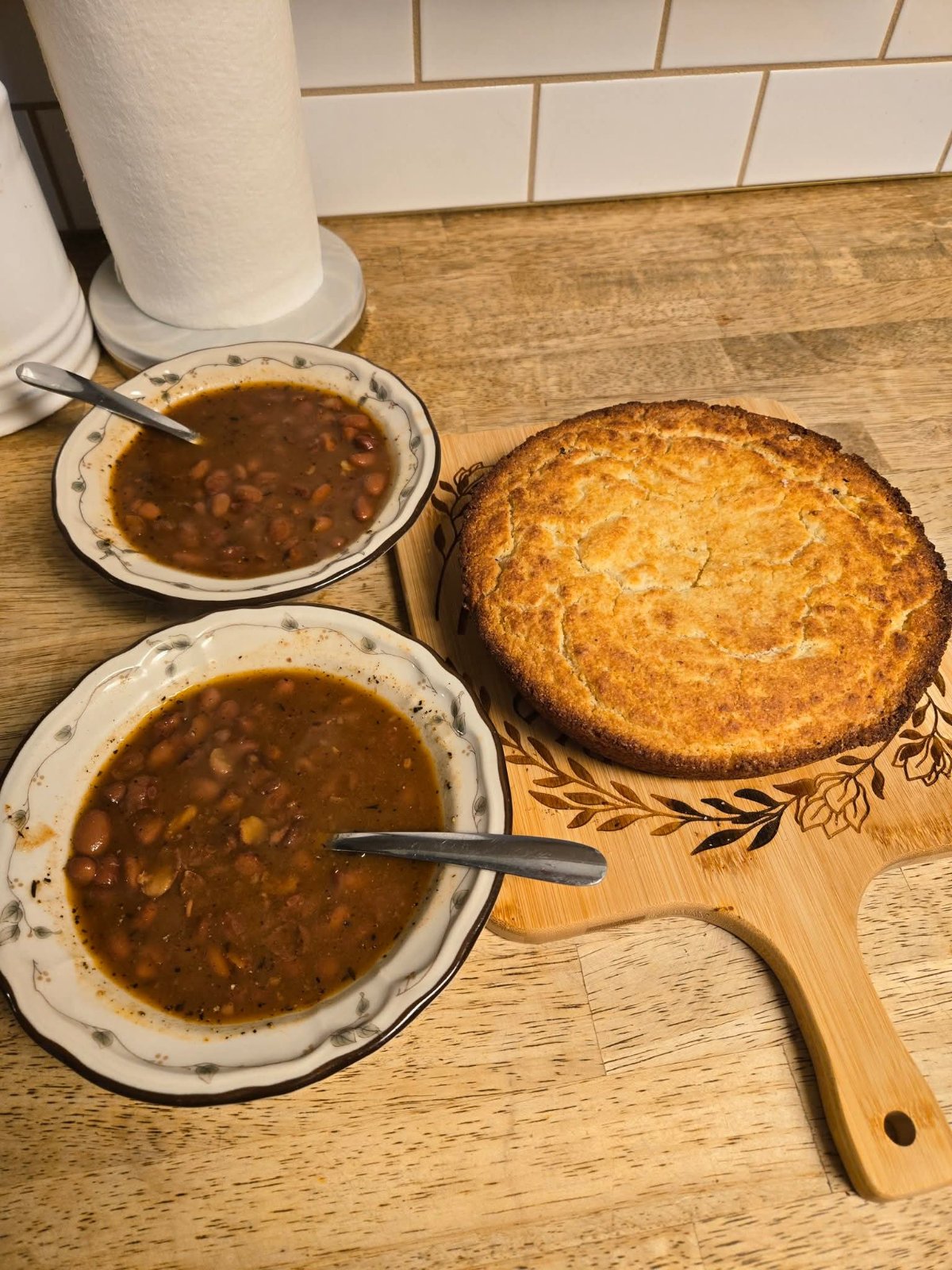
Southern Beans & Cornbread
Southern Beans and Cornbread is a beloved staple dish that perfectly embodies the rich culinary heritage of the American South. This delicious combination is more than just a meal; it represents comfort, tradition, and the simple joys of home cooking. In this article, we will explore the origins of this classic dish, its preparation methods, variations, and tips for serving, all while highlighting the health benefits and the best ingredients to use.
The Origins of Southern Beans and Cornbread
Southern Beans and Cornbread has roots that trace back to the rural communities of the southern United States. Beans, a key protein source, have been cultivated for thousands of years, while cornbread emerged from Native American cuisine. The blend of these ingredients became a staple for farmers and families who relied on affordable, nourishing foods.
The dish gained popularity during the Great Depression due to its economical ingredients and ease of preparation. Families learned to make hearty meals that could feed several mouths without breaking the bank. Today, Southern Beans and Cornbread remain a comforting meal enjoyed at home and in restaurants across the region.
The Health Benefits of Beans
Beans are not only delicious but also packed with nutrition. These legumes contain high levels of protein, fiber, vitamins, and minerals. They are an excellent source of complex carbohydrates, providing sustained energy throughout the day. Here are some key health benefits of including beans in your diet:
1. Rich in Protein: Beans provide a plant-based protein source, making them an ideal food for vegetarians and those looking to reduce meat consumption.
2. High in Fiber: The fiber content in beans aids digestion, promotes satiety, and helps maintain healthy cholesterol levels.
3. Nutrient Dense: Beans are rich in essential nutrients such as iron, potassium, and magnesium, which are vital for various bodily functions.
4. Aid in Weight Management: The combination of protein and fiber in beans helps you feel full longer, supporting weight loss or management efforts.
5. Blood Sugar Regulation: Beans have a low glycemic index, making them a fantastic choice for regulating blood sugar levels.
Preparing Southern Beans
The most common varieties of beans used in Southern cooking include pinto beans, black-eyed peas, and navy beans. Here’s a simple recipe to prepare Southern-style beans:
Ingredients:
– 1 pound dry pinto beans (or your choice of beans)
– 6 cups water
– 1 onion, diced
– 3 cloves garlic, minced
– 1 smoked ham hock or bacon (optional for flavor)
– 1 teaspoon salt
– 1 teaspoon black pepper
– 1 teaspoon cayenne pepper (optional for heat)
Instructions:
1. Rinse and Soak: Rinse the beans under cold water to remove any debris. Soak the beans overnight in a large pot of water, or use the quick-soak method by boiling them for 2 minutes, then letting them sit covered for 1 hour.
2. Cook the Beans: Drain the soaked beans and return them to the pot. Add 6 cups of fresh water, diced onion, minced garlic, and smoked ham hock or bacon if desired.
3. Simmer: Bring the mixture to a boil, then reduce the heat to low. Cover and simmer for about 1.5 to 2 hours, or until the beans are tender. Stir occasionally and add water if necessary.
4. Season: Add salt, black pepper, and cayenne pepper to taste, simmer for an additional 10 minutes.
5. Serve: Remove the ham hock or bacon before serving. Serve hot with cornbread on the side.
Making Classic Southern Cornbread
Cornbread is the perfect companion for Southern beans. Its subtly sweet flavor and crumbly texture complement the hearty beans beautifully. Below is a traditional cornbread recipe that is easy to prepare and sure to please.
Ingredients:
– 1 cup cornmeal
– 1 cup all-purpose flour
– 1/4 cup sugar
– 4 teaspoons baking powder
– 1/2 teaspoon salt
– 1 cup milk
– 1/4 cup vegetable oil
– 2 eggs
Instructions:
1. Preheat Oven: Preheat your oven to 400 degrees Fahrenheit (200 degrees Celsius) and grease a 9×9 inch baking dish or cast-iron skillet.
2. Mix Dry Ingredients: In a large bowl, combine cornmeal, flour, sugar, baking powder, and salt.
3. Mix Wet Ingredients: In another bowl, whisk together milk, vegetable oil, and eggs.
4. Combine: Pour the wet ingredients into the dry ingredients and mix until just combined.
5. Bake: Pour the batter into the prepared baking dish. Bake for 20-25 minutes or until a toothpick inserted into the center comes out clean and the top is golden brown.
6. Cool and Serve: Allow the cornbread to cool for a few minutes before cutting into squares. Serve warm alongside the beans.
Variations for Southern Beans and Cornbread
While the traditional recipes are beloved, many home cooks enjoy putting their twist on Southern Beans and Cornbread. Here are a few popular variations to consider:
1. Vegetarian Option: Omit the ham hock or bacon and use vegetable broth to add flavor to the beans. Season with smoked paprika for a similar smoky taste.
2. Spicy Beans: Add diced jalapeños or a few spoons of hot sauce for an added kick to your beans.
3. Cheesy Cornbread: Mix in shredded cheddar cheese into your cornbread batter for a creamy, cheesy texture.
4. Herbed Cornbread: Fold in fresh herbs like chives or parsley into the cornbread mix for a fresh flavor.
5. Different Bean Varieties: Experiment with different beans like kidney beans or chickpeas for unique flavors and textures.
Tips for Serving Southern Beans and Cornbread
– Classic Pairing: Serve beans in a bowl with crumbled cornbread on top for a rustic presentation.
– Add Toppings: Consider offering toppings like hot sauce, chopped green onions, or sour cream for guests to personalize their servings.
– Side Dishes: Southern Beans and Cornbread pairs well with collard greens, fried chicken, or a simple garden salad for a complete meal.
– Storing Leftovers: Both beans and cornbread can be stored in airtight containers in the refrigerator for up to three days. Reheat gently on the stove or in the microwave.
Conclusion
Southern Beans and Cornbread is more than just a dish; it’s a celebration of southern culture, simplicity, and nourishment. With its rich history, health benefits, and endless variations, it’s a wonderful addition to any meal plan. Whether you’re an experienced cook or a beginner, this dish is accessible and adaptable. Gather your ingredients, embrace this comforting dish, and enjoy a taste of the South with every bite.