
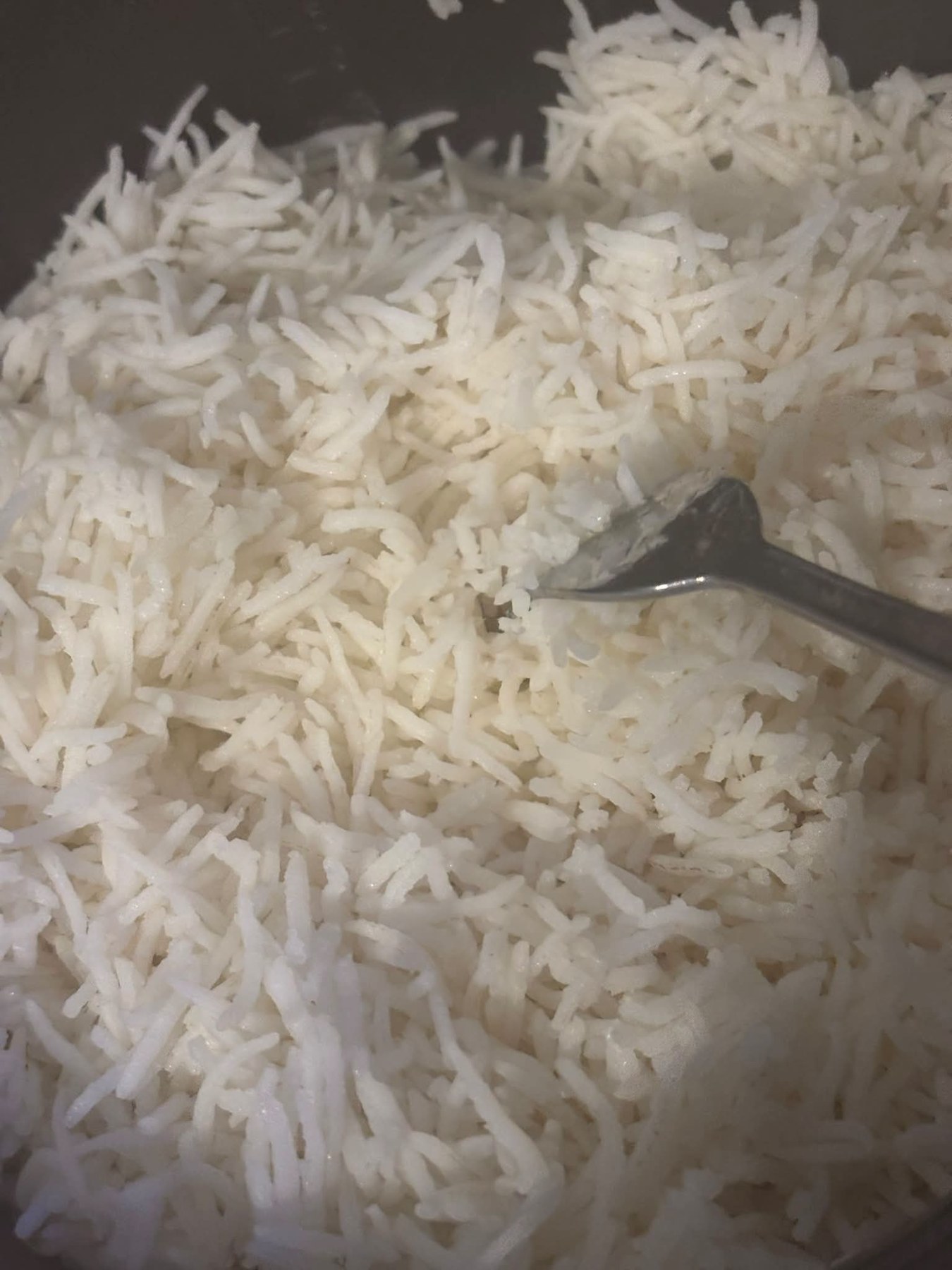
Steamed basmati rice is a classic side dish cherished worldwide for its distinctive aromatic flavor and delightfully fluffy texture. This recipe captures the essence of perfectly cooked basmati rice using a gentle steaming method that preserves the integrity of each grain. Whether you’re pairing it with spicy curries, grilled meats, or fresh vegetables, this versatile rice dish is a must-have for home cooks of all skill levels looking for consistent, restaurant-quality results.
Designed to serve 4 people, this recipe requires just 25 minutes of preparation time and 15 minutes of cooking. The process is straightforward, relying on minimal ingredients and uncomplicated steps that highlight the natural fragrance and texture of basmati rice. By soaking the rice beforehand and steaming it gently, the grains remain separate and tender without being sticky or mushy, making it an ideal base for countless dishes across Indian, Middle Eastern, and global cuisines.
Why you’ll love this steamed basmati rice
- It produces perfectly fluffy, separate grains every time without being sticky or mushy, elevating your meal presentation and texture.
- The soaking step enhances texture and significantly reduces cooking time, ensuring tender rice that cooks evenly throughout.
- Minimal ingredients allow the natural aroma and delicate flavor of basmati rice to shine, without overpowering added seasonings.
- This method is simple and beginner-friendly, requiring only one pot and basic kitchen staples, making it accessible for cooks at any experience level.
- The rice pairs wonderfully with a wide variety of dishes, from rich curries to light vegetable sautés, making it a versatile and reliable kitchen staple.
Ingredients
- 2 cups basmati rice
- 3 cups water
- 1 teaspoon salt
- 1 teaspoon neutral oil or 1 tablespoon butter (optional)
The key to exceptional steamed basmati rice lies in the quality of the rice itself. Classic basmati rice is prized for its long, slender grains and naturally fragrant aroma, which intensify when aged. For the best results, select high-quality, aged basmati rice, as it offers superior flavor and a firmer texture that holds up well during cooking. Rinsing the rice thoroughly helps remove surface starch, which can cause clumping, while soaking hydrates the grains and promotes even cooking. The optional addition of oil or butter introduces a subtle richness and helps keep the grains separate, but you can easily omit it for a lighter dish.
Instructions
- Rinse the rice: Place the basmati rice in a bowl and rinse under cold water several times until the water runs mostly clear. This removes surface starch and prevents clumping.
- Soak the rice: Cover the rinsed rice with fresh water and soak for 20 minutes. Drain well to prepare for even cooking.
- Boil the water: In a medium pot, bring 3 cups of water to a boil. Stir in the salt and add the optional oil or butter for flavor and texture.
- Add the rice: Add the drained rice to the boiling water and return to a gentle boil. Stir once to separate any clumps.
- Steam the rice: Cover the pot tightly with a lid, reduce the heat to low, and cook undisturbed for 12 to 15 minutes until the water is fully absorbed and the rice is tender.
- Let it rest: Remove the pot from heat and let the rice stand, covered, for 10 minutes. This allows steam to finish cooking the grains evenly.
- Fluff and serve: Gently fluff the rice with a fork to separate the grains before serving.
Tips for the best results
- Use aged basmati rice for superior aroma and texture: Aging reduces moisture content, intensifying flavor and preventing mushy rice.
- Rinse and soak the rice well to remove starch and promote even cooking: This step reduces excess surface starch that causes stickiness and ensures the grains cook uniformly.
- Keep the lid tightly closed during cooking to trap steam: Retaining steam is essential for gentle, even cooking that preserves the delicate structure of basmati grains.
- Cook on low heat to avoid burning and uneven cooking: High heat can scorch the bottom while leaving top grains undercooked; low and slow is key.
- Let the rice rest after cooking; this improves fluffiness: Resting allows residual steam to finish cooking and separate grains, enhancing texture.
- Use a fork rather than a spoon to fluff, preserving grain integrity: A fork gently separates grains without mashing or breaking them, maintaining a light texture.
Variations and substitutions
- Replace water with vegetable or chicken broth for added flavor: This infuses the rice with savory depth, complementing many main dishes.
- Stir in finely chopped herbs like cilantro or parsley after cooking: Fresh herbs add brightness and a pop of color, enhancing the rice’s presentation.
- Use ghee instead of butter for a nutty richness: Ghee imparts a distinctive aroma and silky mouthfeel that pairs beautifully with Indian cuisine.
- Add whole spices such as cardamom pods or cloves to the boiling water for aroma: These warm spices subtly infuse the rice with fragrance without overpowering it.
- Swap basmati with jasmine rice for a different fragrant profile, adjusting water slightly: Jasmine rice offers a softer texture and floral aroma but requires slightly less water.
Serving suggestions
Steamed basmati rice is an excellent accompaniment to Indian curries such as butter chicken or chana masala, where its fluffy texture balances rich, spiced gravies. It also complements Middle Eastern stews like lamb tagine or vegetable-based dishes, soaking up flavors without overpowering. For lighter meals, serve it alongside grilled meats or roasted vegetables, adding a dollop of yogurt or raita for creaminess. Garnish with toasted nuts like almonds or cashews and fresh herbs such as cilantro or mint to introduce texture and vibrant color, elevating the dish visually and taste-wise.
Storage and reheating
Store leftover steamed basmati rice in an airtight container in the refrigerator for up to 3 days to maintain freshness. When reheating, sprinkle a few drops of water over the rice to restore moisture, then cover with a microwave-safe lid or plate to trap steam. Heat gently in short bursts, stirring occasionally, until warmed through. This method prevents drying out and helps the rice regain its fluffy texture. Alternatively, reheat on the stovetop in a covered pan with a splash of water over low heat, stirring gently. Avoid overheating or prolonged reheating, which can cause the rice to become tough or mushy.
Frequently asked questions
Can I use a rice cooker for steamed basmati rice?
Yes, a rice cooker is a convenient and reliable alternative for cooking steamed basmati rice. Use the same rice-to-water ratio of 2 cups rice to 3 cups water, and follow your rice cooker’s specific instructions. Pre-soaking the rice before cooking is still recommended as it improves texture and reduces cooking time, ensuring fluffy, separate grains. Some rice cookers have a ‘basmati’ setting that optimizes temperature and timing for best results.
Why should I soak basmati rice before cooking?
Soaking basmati rice hydrates the grains, allowing them to absorb water evenly before cooking. This reduces the overall cooking time and prevents the grains from breaking apart during the process. Additionally, soaking helps remove excess surface starch, which can cause the rice to become sticky or clump together. The result is tender, fluffy rice with distinct, separate grains that showcase basmati’s signature texture.
What if my rice turns out sticky or mushy?
Sticky or mushy rice often results from excess starch or using too much water. To avoid this, rinse the rice thoroughly until the water runs clear to remove surface starch. Measure water carefully according to the recipe ratio, and avoid adding extra water. Cooking on too high heat or stirring the rice during cooking can also cause stickiness. Instead, cook on low heat with the lid tightly closed and avoid stirring to maintain grain separation.
Can I double the recipe?
Yes, you can easily double the recipe to serve a larger group. Use a larger pot to accommodate the increased volume and ensure even heat distribution. Maintain the same rice-to-water ratio of 2 cups rice to 3 cups water, and monitor the cooking time closely, as it may need a few extra minutes. Avoid overcrowding the pot, as this can lead to uneven cooking or soggy rice.
Is it necessary to let the rice rest after cooking?
Letting the rice rest covered for 10 minutes after cooking is an essential step. During this time, residual steam continues to cook the rice gently, ensuring that all grains are tender and evenly cooked. Resting also allows moisture to redistribute, preventing clumps and improving fluffiness. Skipping this step may result in unevenly cooked rice with some grains undercooked or the texture being less light and separate.
Final thoughts
Steamed basmati rice is a deceptively simple dish that can elevate any meal with its fragrant aroma and perfectly fluffy texture. By following these clear, step-by-step instructions and tips, you can consistently achieve professional-quality rice right in your own kitchen. This versatile side is a foundation for countless recipes, making it an indispensable skill for any home cook. Try this recipe today and enjoy the satisfying aroma and flavor that only well-prepared basmati rice can bring to your table.