
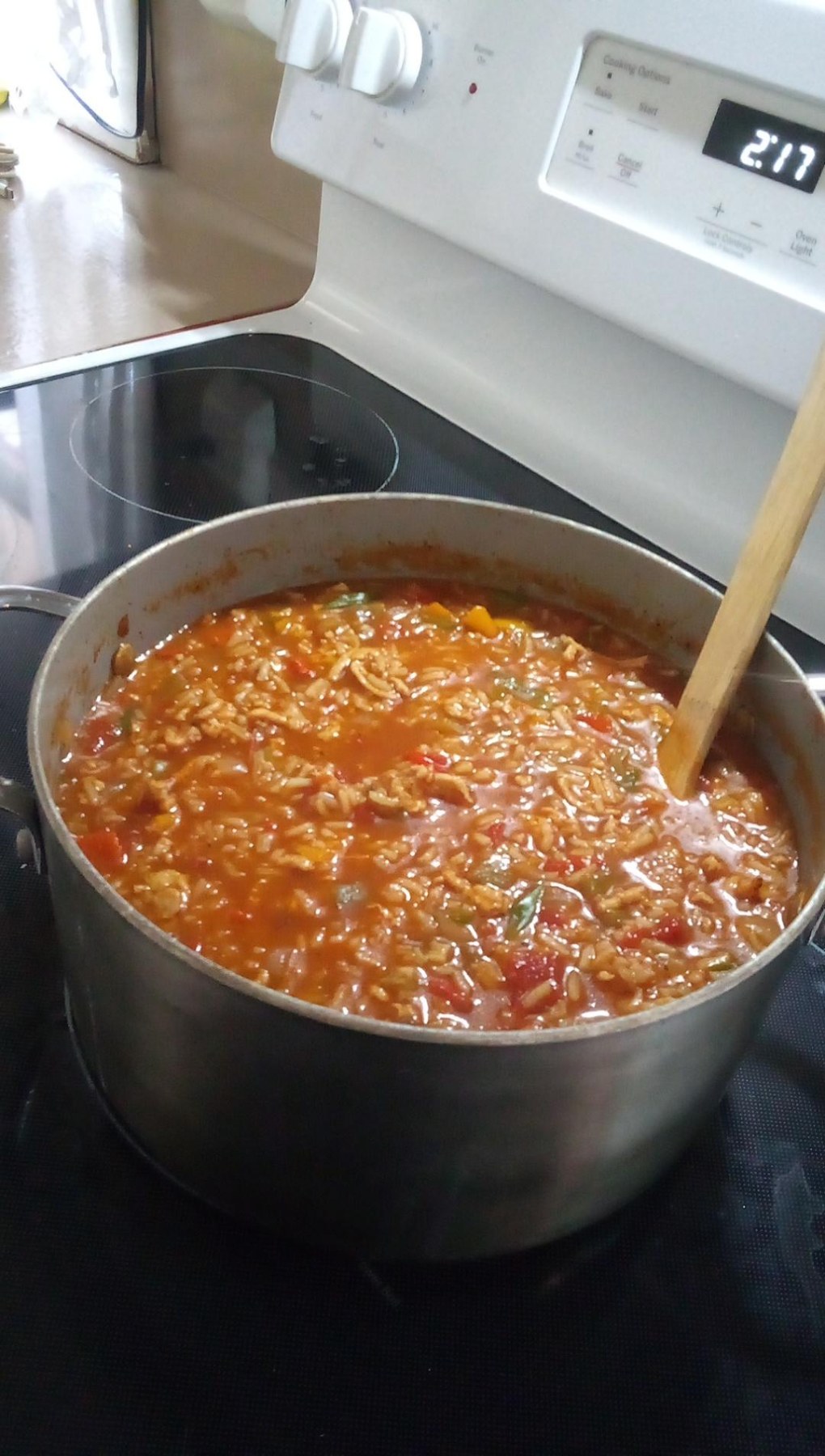
Stuffed Pepper Soup is a hearty and comforting dish that captures the flavors of classic stuffed peppers in a warming soup form. This easy-to-make recipe transforms the beloved stuffed pepper into a delicious, spoonable meal perfect for busy weeknights or cozy family dinners. Featuring ground beef, colorful bell peppers, tomatoes, and rice, the soup delivers a rich blend of textures and tastes in every satisfying spoonful.
With just about 15 minutes of prep and around 35 minutes of cooking, this recipe serves six and provides a nutritious and filling meal that’s ideal for cold days or anytime you crave a homemade soup with a familiar twist. Whether you’re a fan of traditional stuffed peppers or looking to add a new, comforting soup to your rotation, this Stuffed Pepper Soup offers a flavorful, crowd-pleasing option that’s both simple and satisfying.
Why you’ll love this Stuffed Pepper Soup
- This soup combines all the flavors of stuffed peppers in an easy-to-make, one-pot dish that saves time and effort.
- The inclusion of rice makes it filling and perfect as a complete meal in a single bowl, providing both texture and substance.
- It uses simple, wholesome ingredients that are readily available in most kitchens, making it accessible for home cooks of all levels.
- The recipe is flexible and easy to customize with your favorite seasonings or toppings, allowing you to tailor it to your taste preferences.
- It reheats well, maintaining its flavor and texture, making it an excellent option for meal prepping or enjoying leftovers.
Ingredients
- 1 lb ground beef
- 1 medium onion, diced
- 3 bell peppers (mix of red and green), diced
- 3 cloves garlic, minced
- 1 can (28 oz) crushed tomatoes
- 1 can (14.5 oz) diced tomatoes
- 4 cups beef broth
- 1 can (8 oz) tomato sauce
- 1 cup uncooked long-grain rice
- 1 tbsp olive oil
- 1 tsp kosher salt
- 1/2 tsp black pepper
- 1 tsp Italian seasoning
This recipe yields 6 servings with a prep time of 15 minutes and a cook time of 35 minutes. The key ingredients include ground beef, which provides rich flavor and a good source of protein, essential for the heartiness of the soup. The mix of red and green bell peppers adds sweetness, crunch, and vibrant color that brighten the dish. Long-grain rice is used because it cooks evenly and helps thicken the soup, contributing to the satisfying texture. When selecting bell peppers, choose fresh, firm ones without wrinkles or soft spots for the best flavor and texture. Opt for a high-quality beef broth or homemade broth to enhance the depth and richness of the soup’s base.
Instructions
- Heat the olive oil: Place a large pot over medium heat and warm the olive oil until shimmering. This ensures the oil is hot enough to properly brown the beef and sauté the vegetables, which builds flavor.
- Brown the ground beef: Add the ground beef and cook, breaking it into small crumbles with a spoon, until fully browned. Drain any excess fat if needed to keep the soup from being greasy. Proper browning develops a rich, savory base and draining fat prevents an oily broth.
- Sauté vegetables: Add the diced onion and bell peppers to the pot and cook for about 5 minutes until they soften. Stir in the minced garlic and cook for an additional 30 seconds until fragrant. Softening the vegetables releases their natural sweetness and garlic adds aromatic depth.
- Add tomatoes and broth: Pour in the crushed tomatoes, diced tomatoes, tomato sauce, and beef broth. Season the mixture with kosher salt, black pepper, and Italian seasoning. Stir well to combine all ingredients. The combination of different tomato forms creates a rich, layered tomato flavor and the seasonings balance the dish.
- Simmer with rice: Bring the soup to a gentle simmer, then stir in the uncooked long-grain rice. Cover the pot loosely and let it simmer for 20 to 25 minutes, stirring occasionally to prevent rice from sticking, until the rice is tender and the soup has thickened slightly. Cooking the rice directly in the soup allows it to absorb all the flavors.
- Adjust seasoning and serve: Taste the soup and adjust the salt and pepper as needed. Serve hot, optionally topping with shredded cheese if you like. Adjusting seasoning at the end ensures the flavors are balanced and vibrant.
Tips for the best results
- Use fresh bell peppers for the best flavor and vibrant color in your soup. Fresh peppers provide a natural sweetness and crisp texture that soften nicely without becoming mushy.
- Drain excess fat from the browned beef to prevent the soup from becoming greasy. Removing fat helps keep the broth clear and the flavors clean, preventing heaviness in the final dish.
- Stir the soup occasionally while simmering to prevent the rice from sticking to the bottom of the pot. This helps avoid scorching and ensures even cooking of the rice, resulting in a consistent texture.
- If you prefer, use cooked rice and add it at the end of cooking to avoid overcooking the rice. This method is great if you want to prepare the soup quickly or use leftover rice, preventing the grain from becoming overly soft.
- Adjust the seasoning at the end to ensure the flavors are balanced and to your taste. Seasoning can change during cooking, so tasting and adjusting ensures the soup is perfectly seasoned.
- For a richer taste, use homemade or high-quality beef broth. The broth is the flavor foundation of the soup; a better broth enhances the overall depth and savoriness.
Variations and substitutions
- Replace ground beef with ground turkey or chicken for a lighter version. These alternatives reduce fat content while maintaining protein, and they absorb the soup’s flavors well.
- Use quinoa or barley instead of rice for a different texture and added nutrition. Quinoa adds a nutty flavor and is high in protein, while barley offers a chewy texture and fiber.
- Add beans like kidney or black beans for extra protein and fiber. Beans boost the nutritional profile and add heartiness, making the soup even more filling.
- Include chopped carrots or celery with the bell peppers for more vegetable variety. These vegetables add sweetness and aromatic complexity, enhancing the soup’s flavor layers.
- Enhance the flavor with a splash of Worcestershire sauce or a pinch of smoked paprika. These ingredients add umami and a subtle smoky depth, elevating the overall taste.
Serving suggestions
Serve Stuffed Pepper Soup hot with a side of crusty bread or garlic toast to soak up the flavorful broth, adding a satisfying crunch and texture contrast. A simple green salad with a light vinaigrette pairs well to add freshness and balance the richness of the soup. For an extra indulgent touch, top each bowl with shredded cheddar or mozzarella cheese that melts beautifully into the warm soup, adding creaminess and richness. This soup also works great as a standalone meal thanks to its hearty ingredients and balanced nutrition, making it perfect for a quick lunch or comforting dinner.
Storage and reheating
Store leftover Stuffed Pepper Soup in an airtight container in the refrigerator for up to 3 days to maintain freshness and prevent flavor loss. When reheating, warm gently on the stovetop over low heat, stirring occasionally to ensure even heating and to prevent the rice from sticking to the pot. Alternatively, microwave in short intervals, stirring in between, until heated through. If the soup thickens too much after refrigeration, add a splash of broth or water to loosen it before reheating, preserving the ideal consistency and mouthfeel.
Frequently asked questions
Can I make Stuffed Pepper Soup vegetarian?
Yes, you can easily make this soup vegetarian by omitting the ground beef and substituting vegetable broth for the beef broth. To maintain protein content and texture, add extra beans such as kidney or black beans, or lentils. Incorporating additional vegetables like mushrooms, zucchini, or even eggplant can add heartiness and depth, making the soup just as satisfying without meat.
Is it possible to use cooked rice instead of uncooked?
Absolutely. Using cooked rice is a convenient option that helps prevent overcooking and mushiness, especially if you want to prepare the soup faster or use leftover rice. Add the cooked rice in the last 5 minutes of cooking just to warm it through, rather than simmering it with the soup. This method ensures the rice retains a pleasant texture and the soup doesn’t become overly thick.
Can I freeze Stuffed Pepper Soup?
Yes, this soup freezes very well, making it a great meal prep option. Allow the soup to cool completely before transferring it to freezer-safe containers or heavy-duty freezer bags. Freeze for up to 3 months for best quality. When ready to eat, thaw overnight in the refrigerator and reheat thoroughly on the stovetop or in the microwave. You may need to add a bit of broth or water when reheating if the soup has thickened during freezing.
What type of rice works best in this soup?
Long-grain white rice is ideal for this recipe because it cooks evenly and holds its shape well during the simmering process. It absorbs the flavors without becoming mushy or sticky. Avoid quick-cooking or instant rice varieties as they tend to break down too much and can make the soup overly thick or pasty.
How can I make this soup spicier?
To add heat, include chopped jalapeños or a pinch of red pepper flakes when sautéing the vegetables. This allows the spice to infuse throughout the soup. Alternatively, you can add hot sauce or cayenne pepper to taste when seasoning the soup toward the end of cooking. Adjust the spice level gradually to suit your preference without overpowering the other flavors.
Final thoughts
Stuffed Pepper Soup is a delicious and easy way to enjoy the classic flavors of stuffed peppers in a comforting, hearty bowl. With simple ingredients, straightforward steps, and plenty of room for customization, it’s a versatile recipe to keep in your soup repertoire. Whether you’re cooking for your family or meal prepping for the week, this soup offers warmth and satisfaction in every spoonful. Give this recipe a try and enjoy a homemade dinner that everyone will love.