
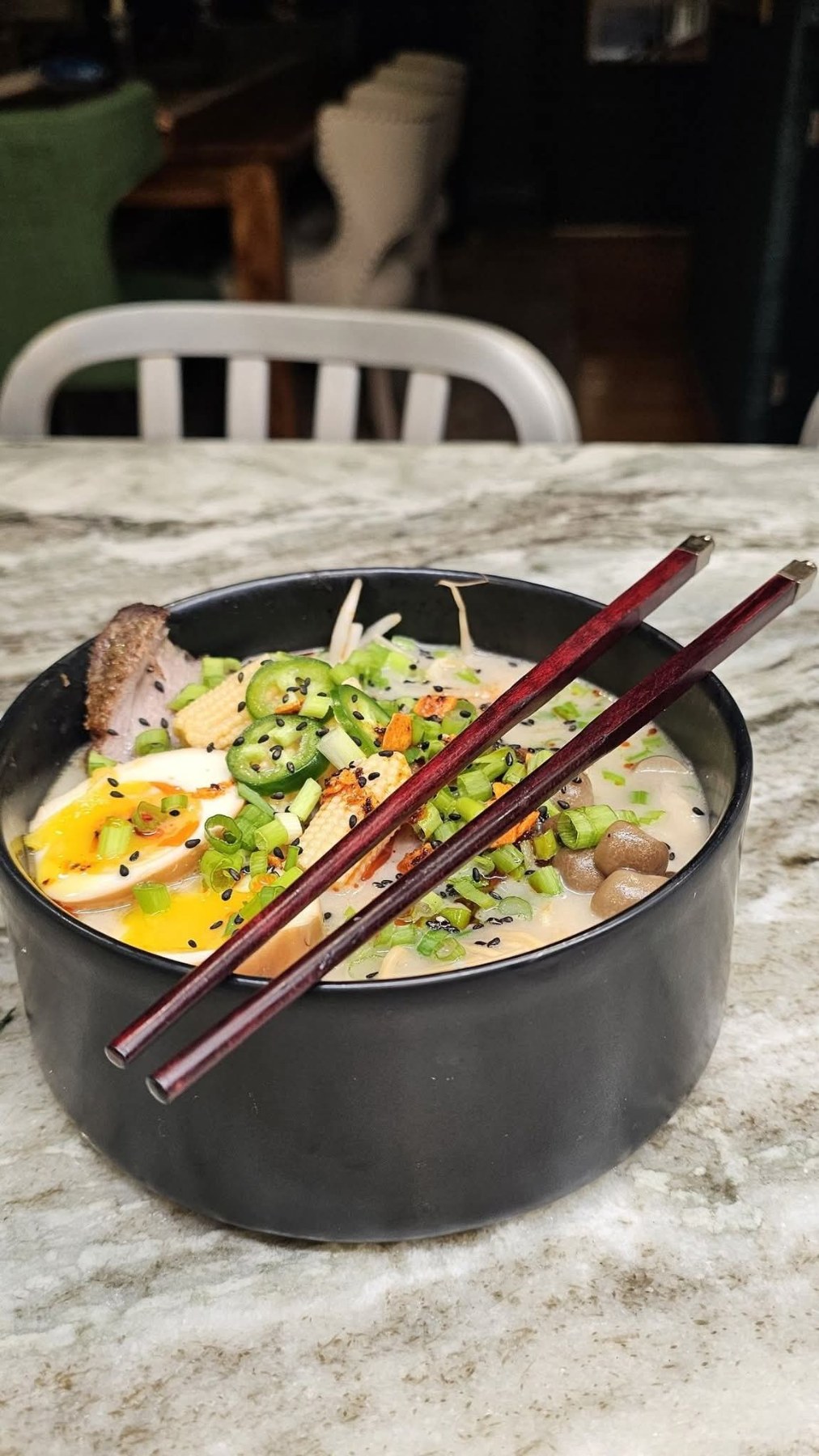
Tonkotsu Ramen is a beloved Japanese noodle soup known for its rich, creamy pork-bone broth and tender toppings. This recipe delivers an authentic taste that ramen enthusiasts and home cooks alike will appreciate. Ideal for anyone craving a deeply satisfying bowl of noodles with complex flavors, Tonkotsu Ramen requires patience but rewards with an unforgettable meal.
The long simmering process creates a luscious, milky broth that forms the heart of this dish. Combined with fresh ramen noodles, marinated soft-boiled eggs, and succulent chashu pork, this recipe balances texture and flavor beautifully. Whether you’re cooking for family or impressing guests, this Tonkotsu Ramen is a perfect choice.
Why you’ll love this Tonkotsu Ramen recipe
- The broth is deeply flavorful and creamy thanks to a slow, long simmer of pork bones.
- Fresh ramen noodles provide an ideal chewy texture that complements the rich soup.
- Marinated soft-boiled eggs add a savory, silky element that enhances the overall dish.
- The combination of chashu pork and fresh vegetables offers balanced protein and freshness.
- This recipe is perfect for a special weekend meal or cozy dinner with family and friends.
Ingredients
- 2 lb pork neck bones and trotters or other pork bones
- 12 cups water, plus more as needed
- 1 onion, halved
- 1 head garlic, halved crosswise
- 1 2-inch piece ginger, sliced
- 1 tbsp neutral oil
- 4 servings fresh ramen noodles
- 4 soft-boiled eggs, marinated in 1/4 cup soy sauce and 1/4 cup water
- 8 oz chashu pork or roasted pork belly, sliced
- 2 scallions, thinly sliced
- 1 cup bean sprouts
- 1/2 cup shimeji or other small mushrooms
- 1 baby corn ear, sliced or a few pieces whole
- 1 fresh green chile or jalapeño, thinly sliced
- 1 tsp black sesame seeds
- 2 tsp chili oil or chili crisp
- 1/4 cup soy sauce tare
- 2 tbsp mirin
- Salt to taste
This recipe yields 4 bowls and involves approximately 30 minutes of preparation time and 8 to 12 hours of cooking time for the broth. The key ingredients are pork bones, which create the signature creamy broth when simmered slowly. Fresh ramen noodles should be chosen for their springy texture to hold up well in the soup. For toppings, high-quality chashu pork and properly marinated soft-boiled eggs add depth and richness, while fresh vegetables provide balance and crunch.
Instructions
- Clean the bones: Rinse the pork bones thoroughly. Boil them for 10 minutes, then drain and discard the water to remove impurities and blood.
- Simmer the broth: Place the cleaned bones in a clean large pot with 12 cups of fresh water, halved onion, garlic, and sliced ginger. Bring the mixture to a vigorous boil, then maintain a hard boil for 8 to 12 hours. Add water as needed to keep the bones covered. The broth will become opaque and creamy.
- Strain and season: Strain the broth through a fine sieve to remove solids. Season lightly with salt and keep the broth hot until serving.
- Prepare the eggs: Cook eggs in boiling water for 6 1/2 to 7 minutes for a soft center. Cool immediately in ice water, peel carefully, and marinate in a mixture of 1/4 cup soy sauce and 1/4 cup water for at least 1 hour.
- Prepare chashu pork: If not already cooked, roast or braise pork belly until tender. Slice thinly for topping.
- Blanch vegetables: Briefly blanch the mushrooms and bean sprouts in boiling water until just tender. Drain well.
- Cook noodles: Boil fresh ramen noodles according to package instructions. Drain thoroughly.
- Assemble bowls: In each serving bowl, add about 1 tablespoon of soy tare and a little mirin. Ladle in 2 to 2 1/2 cups of hot broth.
- Add noodles and toppings: Place cooked noodles in the bowl. Top with sliced chashu pork, halved marinated egg, scallions, bean sprouts, mushrooms, baby corn, and slices of green chile. Sprinkle black sesame seeds and drizzle chili oil over the top.
- Serve immediately: Enjoy the Tonkotsu Ramen piping hot for the best flavor and texture.
Tips for the best results
- Use pork neck bones and trotters for maximum collagen, which gives the broth its creamy texture.
- Maintain a rolling boil during broth simmering to extract full flavor and richness from the bones.
- Marinate eggs for at least an hour to infuse them with a deep umami flavor.
- Drain noodles well to prevent the broth from becoming watery or diluted.
- Prepare toppings in advance to streamline assembly and maintain the soup’s temperature.
- Adjust salt and seasoning at the end to suit your taste without overpowering the natural broth flavor.
Variations and substitutions
- Use chicken bones for a lighter broth if you prefer a less rich soup.
- Substitute fresh ramen noodles with dried ones in a pinch, though fresh is recommended.
- Try adding corn, bamboo shoots, or spinach as alternative vegetable toppings.
- For a spicier version, increase the amount of chili oil or add a dash of cayenne pepper.
- Replace chashu pork with roasted duck or grilled chicken for a different protein twist.
Serving suggestions
Tonkotsu Ramen is best enjoyed hot and fresh, served with a side of pickled ginger or kimchi to add a tangy contrast. A small bowl of steamed rice or gyoza dumplings makes a great accompaniment for a fuller meal. Pair with a chilled Japanese beer or green tea to balance the richness of the broth. Garnish with extra scallions or nori sheets for added texture and flavor.
Storage and reheating
Store leftover broth separately from noodles and toppings in airtight containers in the refrigerator for up to 3 days. Reheat the broth gently on the stove until hot but not boiling to preserve flavor. Reheat noodles briefly in hot water and warm toppings separately before assembling a fresh bowl. Avoid reheating assembled ramen to maintain noodle texture and prevent sogginess.
Frequently asked questions
What makes Tonkotsu broth creamy and white?
The creamy white color comes from boiling pork bones, especially neck bones and trotters, at a vigorous boil for many hours. This process breaks down collagen and marrow, emulsifying fat and creating the rich, milky broth characteristic of Tonkotsu ramen.
Can I use pre-made broth for Tonkotsu ramen?
While you can use pre-made broth for convenience, it won’t have the same depth and creaminess as homemade Tonkotsu broth simmered for hours. For authentic flavor and texture, making the broth from pork bones is recommended.
How do I prevent the ramen noodles from getting soggy?
Cook noodles just before serving and drain them thoroughly. Add noodles to the hot broth immediately and serve right away. Avoid soaking cooked noodles in broth for long periods to keep them firm and springy.
Can I prepare the broth in advance?
Yes, the broth can be made a day or two ahead and stored in the refrigerator. This can actually improve the flavor as it allows the broth to develop further. Reheat gently before assembling your ramen bowls.
What are good alternatives to chashu pork?
If chashu pork isn’t available, roasted pork belly, braised pork shoulder, or even grilled chicken can be tasty substitutes. The key is to have tender, flavorful meat that complements the rich broth.
Final thoughts
Making Tonkotsu Ramen at home is a rewarding culinary project that results in a deeply satisfying and authentic bowl of Japanese comfort food. With a few hours of simmering and careful preparation of toppings, you can enjoy a restaurant-quality meal in your own kitchen. Give this recipe a try and savor the rich flavors and textures that make Tonkotsu Ramen so special.