
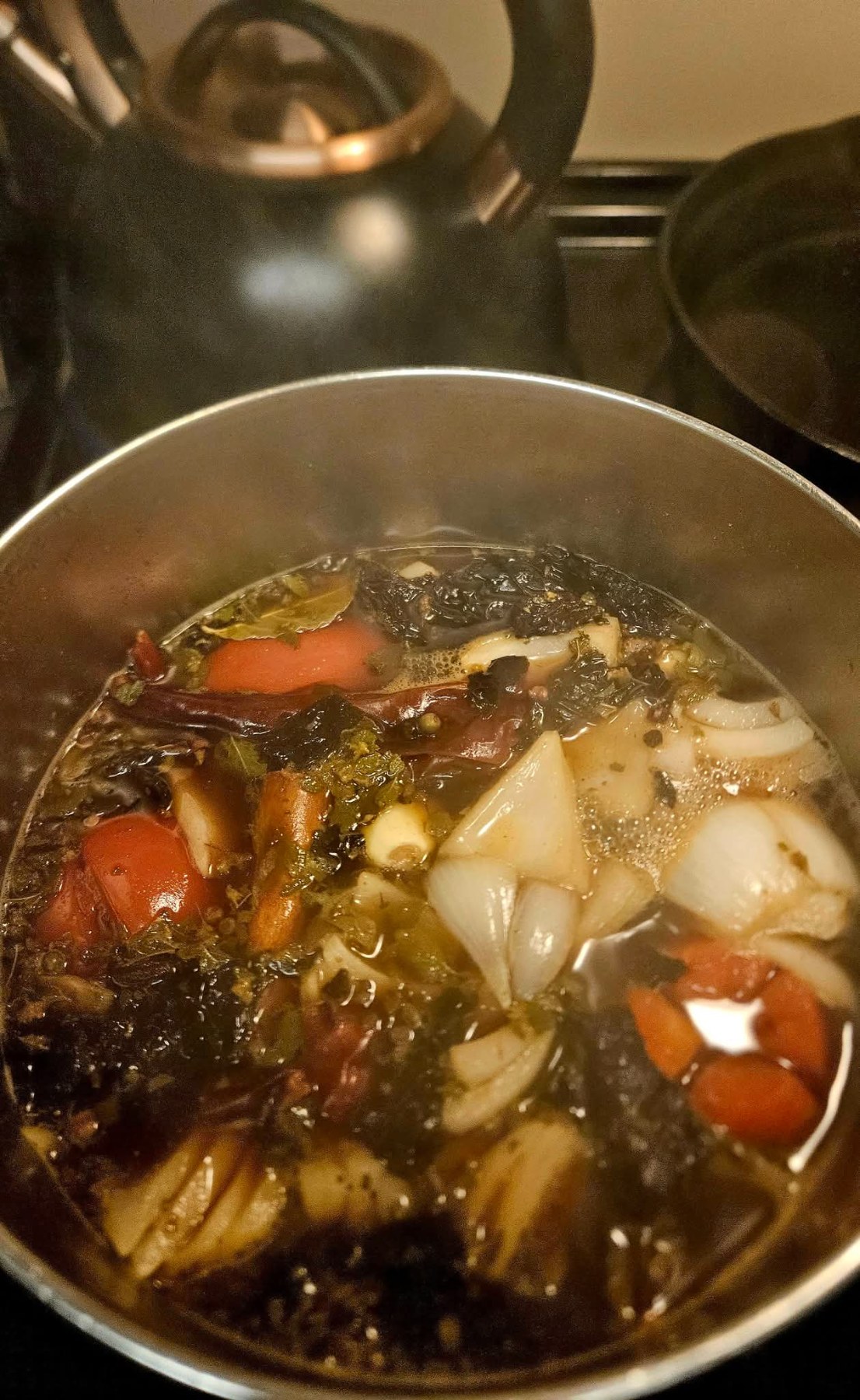
Vegetable stock is a fundamental kitchen staple that brings depth and flavor to countless dishes. This vegetable stock recipe is simple to prepare and ideal for home cooks who want a fresh, wholesome broth without any additives. Whether you’re making soups, risottos, or sauces, a good vegetable stock elevates your cooking with natural, aromatic tastes that build a rich foundation for your meals.
This recipe yields about 6 cups of vibrant, homemade stock with just 10 minutes of prep time and about 1 hour of simmering. It’s perfect for those who appreciate a clean, vegetable-forward base that enhances meals without overpowering them. Plus, it’s naturally vegan and gluten-free, fitting a variety of dietary preferences and making it a versatile kitchen essential for everyday cooking.
Why you’ll love this vegetable stock recipe
- It uses simple, fresh ingredients that you likely already have in your kitchen, making it accessible and convenient.
- The slow simmering process extracts maximum flavor and nutrients from the vegetables and herbs, resulting in a richly flavored broth.
- This stock is versatile and can be used as a base for soups, stews, sauces, and grains, adding depth to many dishes.
- Making your own stock reduces waste by using vegetable scraps and is more economical than store-bought options, helping you save money and resources.
- It’s free from preservatives and artificial flavors, offering a pure, natural taste that enhances the quality of your cooking.
Ingredients
- 2 medium onions, quartered
- 3 carrots, cut into chunks
- 3 celery stalks, cut into chunks
- 4 garlic cloves, crushed
- 1 bay leaf
- 6 parsley stems
- 2 sprigs thyme
- 8 cups water
- 1 teaspoon black peppercorns
- 1 teaspoon salt
This recipe relies on classic aromatic vegetables—onions, carrots, and celery—often called mirepoix, which form a flavorful foundation. Fresh garlic adds subtle pungency, while bay leaf, thyme, and parsley introduce herbal notes that deepen the flavor profile. Using whole peppercorns and salt balances the taste perfectly. Choose fresh, firm vegetables and quality herbs for the best results to ensure a clear and fragrant stock. Opt for organic produce if possible, as it can lend a cleaner taste and avoids any unwanted chemicals in your broth.
Instructions
- Prepare the vegetables: Wash and roughly chop the onions, carrots, and celery into large pieces to maximize flavor extraction without breaking down completely.
- Combine ingredients: Place the chopped vegetables, crushed garlic, bay leaf, parsley stems, thyme sprigs, black peppercorns, and salt into a large stockpot.
- Add water and heat: Pour in 8 cups of water and bring the mixture just to a boil over medium-high heat, ensuring it doesn’t boil too vigorously.
- Simmer gently: Reduce the heat to maintain a gentle simmer. Cook uncovered for 45 to 60 minutes, skimming off any foam that forms on the surface to keep the stock clear.
- Check flavor: Taste the stock after 45 minutes and simmer longer if a stronger flavor is desired.
- Strain solids: Remove the pot from heat and strain the liquid through a fine sieve, discarding all the cooked vegetables and herbs.
- Store or use: Use the vegetable stock immediately in your recipes or allow it to cool and refrigerate in airtight containers for up to 4 days.
Tips for the best results
- Use fresh, firm vegetables: Freshness directly impacts flavor intensity and clarity. Older or wilted vegetables can impart off-flavors or muddy the broth.
- Cut vegetables into large chunks: Larger pieces release flavor gradually without dissolving into the stock, helping maintain a clear, clean broth.
- Simmer gently rather than boiling vigorously: A gentle simmer prevents emulsifying fats and impurities into the liquid, which keeps the stock clear and avoids bitterness.
- Skim off foam during simmering: Foam consists of impurities and proteins that rise to the surface; removing it ensures a cleaner taste and clearer appearance.
- Do not salt too heavily: If you plan to reduce the stock or use it in recipes that add salt, under-seasoning initially allows better control over the final taste.
- Cool the stock quickly after cooking: Rapid cooling minimizes bacterial growth, preserving freshness and food safety during storage.
Variations and substitutions
- Add mushrooms for a deeper, umami-rich flavor especially good in vegetarian dishes, enhancing the stock’s savory notes.
- Include leek greens or parsnips to add subtle sweetness and complexity, enriching the broth’s aromatic layers.
- Swap thyme with rosemary or sage for a different herbal profile, giving your stock a unique twist suited to specific dishes.
- Use vegetable scraps like onion skins, carrot tops, and celery leaves to reduce waste and add flavor, making your stock more sustainable.
- For a spiced twist, add a small piece of ginger or a cinnamon stick during simmering to introduce warmth and subtle spice nuances.
Serving suggestions
This vegetable stock forms a flavorful base for soups such as minestrone, vegetable noodle soup, or creamy blended soups like butternut squash or potato leek. It can be used to cook grains like rice, quinoa, or barley, infusing them with extra flavor and moisture. Additionally, use it to deglaze pans when preparing vegetarian sauces or to enrich stews and casseroles, adding depth and moisture. Its mild yet aromatic profile makes it versatile for many dishes, from risottos to braised vegetables.
Storage and reheating
Allow the vegetable stock to cool completely before transferring it to airtight containers to prevent condensation and bacterial growth. Store it in the refrigerator for up to 4 days, ensuring you use it promptly for the best flavor and safety. For longer storage, freeze the stock in portions using ice cube trays or freezer-safe containers for up to 3 months. This makes it easy to thaw only what you need. When reheating, warm the stock gently on the stove over medium heat until hot, stirring occasionally to prevent scorching and to evenly distribute heat.
Frequently asked questions
Can I use vegetable scraps to make vegetable stock?
Yes, using vegetable scraps like onion skins, carrot ends, and celery leaves is a fantastic way to reduce kitchen waste and extract additional flavor from parts you might normally discard. Avoid scraps from bitter or strong-flavored vegetables such as broccoli, cabbage, or Brussels sprouts, as they can impart an unpleasant bitterness or overpower the stock. Always wash scraps thoroughly before use to remove dirt and pesticides.
How long can I store homemade vegetable stock?
Refrigerated homemade vegetable stock can be safely kept for up to 4 days when stored in airtight containers and cooled promptly. For longer preservation, freezing the stock is recommended; it can be stored in the freezer for up to 3 months without significant loss of flavor or quality. Label containers with the date to keep track, and thaw it in the refrigerator overnight before reheating.
Should I peel the vegetables before making stock?
Peeling is generally not necessary except for garlic cloves, which should be peeled or crushed to release flavor. Washing the vegetables thoroughly removes dirt and impurities. Onion skins can be included to add a richer color and deeper flavor, but they may slightly darken the stock. If you prefer a lighter broth, you can omit the skins.
Can I make vegetable stock in advance?
Absolutely. Making vegetable stock ahead of time is practical and efficient, allowing you to have a flavorful base ready for quick meal preparation. Once cooled, store the stock in the refrigerator or freezer until needed. This way, you can enhance your dishes without extra prep time on busy days.
What is the difference between vegetable stock and broth?
Vegetable stock is typically made by simmering vegetables and herbs without added salt or heavy seasoning, producing a neutral, flavor-rich base used primarily for cooking. Broth, on the other hand, is usually seasoned and can be consumed on its own as a light soup. Stock is thicker and more concentrated, while broth is lighter and ready to serve as is.
Final thoughts
Making your own vegetable stock is a simple yet rewarding way to enhance your cooking with fresh, natural flavors. This easy recipe requires minimal ingredients and effort but delivers a rich, aromatic broth that elevates countless dishes. By using fresh produce and simmering gently, you create a clean, versatile base that supports everything from soups to sauces. Give it a try and discover how homemade stock can transform your meals with depth and character.