
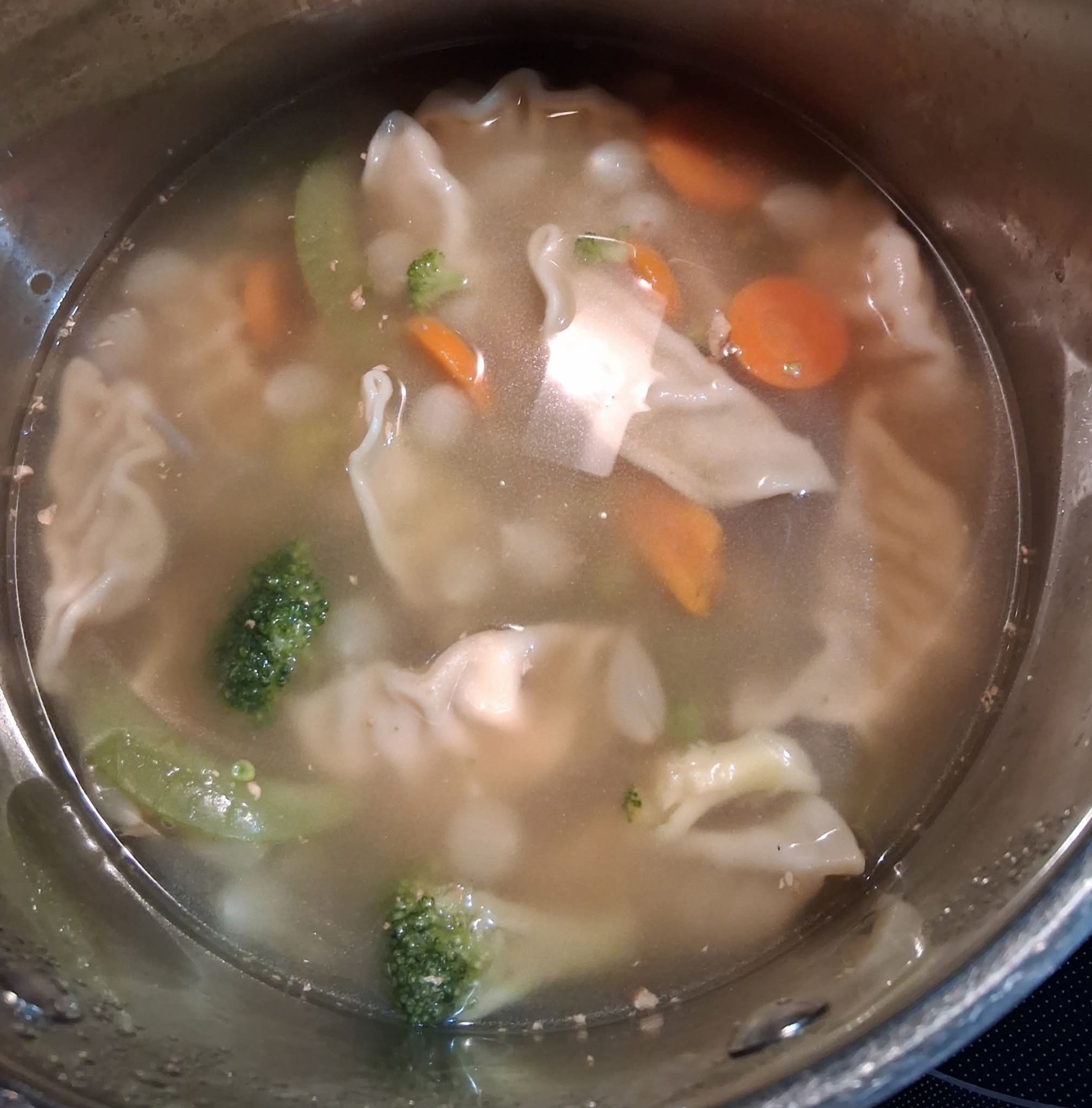
Wonton Soup with Vegetables is a classic, comforting dish that perfectly balances delicate pork or chicken wontons with a vibrant medley of fresh vegetables in a savory chicken broth. This soup is ideal for anyone looking for a light yet filling meal that brings together the rich flavors of tender dumplings and the crisp freshness of garden vegetables. Whether you are a busy home cook wanting a quick weeknight dinner or a soup lover seeking something wholesome and flavorful, this recipe delivers satisfying warmth and nutrition with every spoonful.
Ready in just 25 minutes, this recipe is a wonderful blend of textures and tastes. The rich umami of the pork or chicken wontons is complemented by the bright crunch of carrots, celery, and broccoli, all simmered in a fragrant broth infused with ginger, garlic, and soy sauce. It’s a versatile, easy-to-make soup that works equally well as a cozy dinner or a nourishing lunch option.
Why you’ll love this Wonton Soup with Vegetables
- This soup is quick and easy to prepare, making it perfect for busy weeknights when time is limited but you want a homemade meal.
- The combination of pork or chicken wontons with fresh, crisp vegetables provides a balanced and satisfying meal full of texture and flavor.
- Using chicken broth as the base creates a rich, savory foundation that enhances the delicate taste of the wontons without overpowering them.
- The addition of ginger and garlic adds a bright, aromatic depth to the soup, lifting the flavors while keeping the broth light and refreshing.
- This recipe is highly versatile and can be easily customized with your favorite vegetables or seasonings to suit your personal taste preferences.
Ingredients
- 24 pork or chicken wontons
- 6 cups chicken broth
- 1 cup sliced carrots
- 1 cup chopped celery
- 1 cup small broccoli florets
- 2 green onions, sliced
- 1 teaspoon grated ginger
- 1 clove garlic, minced
- 1 tablespoon soy sauce
- 1 teaspoon sesame oil
- Salt to taste
- White pepper to taste
Prep time: 10 minutes | Cook time: 15 minutes | Servings: 4 servings
The key ingredients in this soup begin with the wontons, which can be filled with either pork or chicken depending on your preference and availability. When selecting wontons, fresh or frozen options work well, but fresh ones will yield the best texture. The vegetables—carrots, celery, and broccoli—should be firm and vibrant in color to ensure they retain their crunch and nutritional value after cooking. The chicken broth serves as the savory backbone of the soup, providing a rich flavor that melds all the components together. Aromatics like fresh grated ginger and minced garlic bring a bright, fragrant note that enlivens the broth, while soy sauce adds depth and umami. Sesame oil finishes the soup with a subtle nutty warmth, rounding out the flavor profile beautifully.
Instructions
- Bring broth to a gentle boil: Pour the chicken broth into a medium pot and heat it over medium-high until it reaches a gentle boil. This step ensures the broth is hot enough to cook the ingredients evenly without boiling too aggressively, which can cloud the broth.
- Add aromatics and vegetables: Stir in the grated ginger, minced garlic, soy sauce, sliced carrots, and chopped celery. Simmer the mixture for 5 to 7 minutes until the vegetables begin to soften but still retain some crunch. This gradual simmer allows the flavors to meld and the vegetables to release their sweetness into the broth.
- Cook the wontons: Gently add the 24 pork or chicken wontons to the simmering broth. Cook them for 4 to 6 minutes, or until they float to the surface and are cooked through, indicating they are tender and ready. Floating is a classic sign that dumplings are cooked, but always ensure the filling is fully done by checking one if unsure.
- Add broccoli and finish cooking: Add the broccoli florets to the pot and simmer for an additional 2 to 3 minutes until they become tender-crisp, preserving their bright color and slight crunch. Adding broccoli last prevents overcooking and keeps the texture fresh.
- Stir in finishing touches: Remove the pot from heat and stir in the sesame oil and sliced green onions to add a fragrant and nutty note. These final ingredients add complexity and a burst of freshness to the soup.
- Season and serve: Taste the soup and season with salt and white pepper as needed. Serve the soup hot for the best flavor and warmth. Adjust seasoning carefully to enhance but not overwhelm the delicate balance of flavors.
Tips for the best results
- Use fresh vegetables and slice them evenly: Uniform slicing ensures that all vegetables cook at the same rate, preventing some pieces from becoming mushy while others remain undercooked. Fresh vegetables also retain flavor and nutrients better.
- Simmer the broth gently rather than boiling vigorously: A gentle simmer keeps the broth clear and flavorful; boiling rapidly can cause cloudiness and break down the delicate flavors and textures.
- Cook wontons just until they float: Overcooking wontons can cause the wrappers to disintegrate and the filling to dry out. Floating indicates they are cooked through but still tender.
- Add broccoli last: Broccoli cooks quickly and adding it at the end preserves its vibrant green color and crisp texture, making the soup more visually appealing and texturally balanced.
- Adjust soy sauce and seasoning gradually: Adding seasoning little by little allows you to control the saltiness and umami intensity, preventing the soup from becoming too salty or overpowering.
- Consider adding a splash of rice vinegar or chili flakes: A small amount of acidity or heat can brighten the soup and add complexity, but add sparingly to balance rather than dominate the flavors.
Variations and substitutions
- Swap pork or chicken wontons for shrimp or vegetable wontons: This provides different protein options and can cater to dietary preferences or allergies.
- Use vegetable broth instead of chicken broth: This simple swap makes the soup vegetarian-friendly while still maintaining a flavorful base.
- Add other vegetables like bok choy, snow peas, or mushrooms: These additions introduce new textures and flavors, increasing the variety and nutritional content of the soup.
- Replace soy sauce with tamari: Tamari is a gluten-free alternative that offers a similar salty umami flavor, making the soup suitable for gluten-sensitive diets.
- Incorporate fresh herbs such as cilantro or Thai basil: Adding fresh herbs just before serving can provide an herbal twist and elevate the soup’s aroma and taste.
Serving suggestions
This Wonton Soup with Vegetables shines when served on its own as a light, nourishing meal, especially on cooler days when something warm and comforting is welcome. For a more substantial dining experience, pair it with steamed jasmine rice, which complements the soup’s flavors and adds a satisfying starch component. A crisp cucumber salad with a light vinaigrette can provide a refreshing contrast to the warm broth. Additionally, serving alongside appetizers such as spring rolls or dumplings can create a well-rounded Asian-inspired meal. Garnishing the soup with extra sliced green onions, a drizzle of chili oil, or toasted sesame seeds can enhance both the presentation and flavor, making the dish feel special and inviting.
Storage and reheating
Leftover wonton soup should be stored in an airtight container in the refrigerator and is best consumed within 2 days to maintain optimal flavor and texture. When reheating, gently warm the soup on the stove over low heat to prevent the wontons from breaking apart or becoming mushy. Avoid reheating at high temperatures or using a microwave at full power, as this can overcook the delicate wontons and vegetables, compromising the texture. If the broth has thickened or reduced during storage, add a splash of fresh chicken broth or water to refresh the soup before serving. While the broth and vegetables freeze well separately, freezing the soup with cooked wontons is not recommended because the wontons tend to become soggy after thawing.
Frequently asked questions
Can I use frozen wontons for this soup?
Yes, frozen wontons are a convenient option and can be added directly to the simmering broth without thawing. However, you should extend the cooking time by 1 to 2 minutes to ensure they are fully cooked through. Cooking until the wontons float is the best indicator that they are done, but always check one to be certain the filling has cooked properly.
What if I can’t find fresh ginger?
If fresh ginger is not available, you can substitute with about 1/4 teaspoon of ground ginger. Keep in mind that ground ginger has a different texture and a slightly less vibrant flavor than fresh ginger, so the soup’s aromatic brightness may be somewhat muted. Fresh ginger is preferred because it imparts a zesty, fresh note that enhances the overall flavor of the broth.
Can I make this soup vegetarian?
Absolutely. To make this soup vegetarian, replace the chicken broth with a flavorful vegetable broth and use vegetable-filled wontons or tofu cubes as the protein source. You can also add a variety of vegetables such as mushrooms, bok choy, or snap peas to boost flavor and nutrition. This version maintains the comforting and satisfying nature of the soup while catering to plant-based diets.
How do I keep the vegetables crisp in the soup?
Maintaining crispness involves adding vegetables to the soup in stages based on their cooking times. Harder vegetables like carrots and celery should be added early to allow adequate cooking time, while softer or quick-cooking vegetables like broccoli should be added last, just before the soup is finished. Simmering gently rather than boiling vigorously also helps preserve texture and color.
Is it possible to freeze wonton soup?
While you can freeze the broth and vegetables separately, freezing the soup with cooked wontons is generally not recommended. The wontons tend to absorb moisture and become soggy or mushy after thawing, which negatively affects texture and taste. If you need to freeze components, store the broth and vegetables separately and prepare fresh wontons when ready to serve.
Final thoughts
Wonton Soup with Vegetables is a warm, comforting dish that combines the delicate flavors of tender wontons with fresh, nutritious vegetables in a savory broth. Its quick preparation and adaptable ingredients make it accessible for cooks of all skill levels and perfect for busy schedules. Whether you enjoy it as a light lunch or a cozy dinner, this soup is sure to satisfy your craving for something wholesome and flavorful. Try this recipe today and savor the comforting taste of homemade wonton soup filled with vibrant vegetables.