
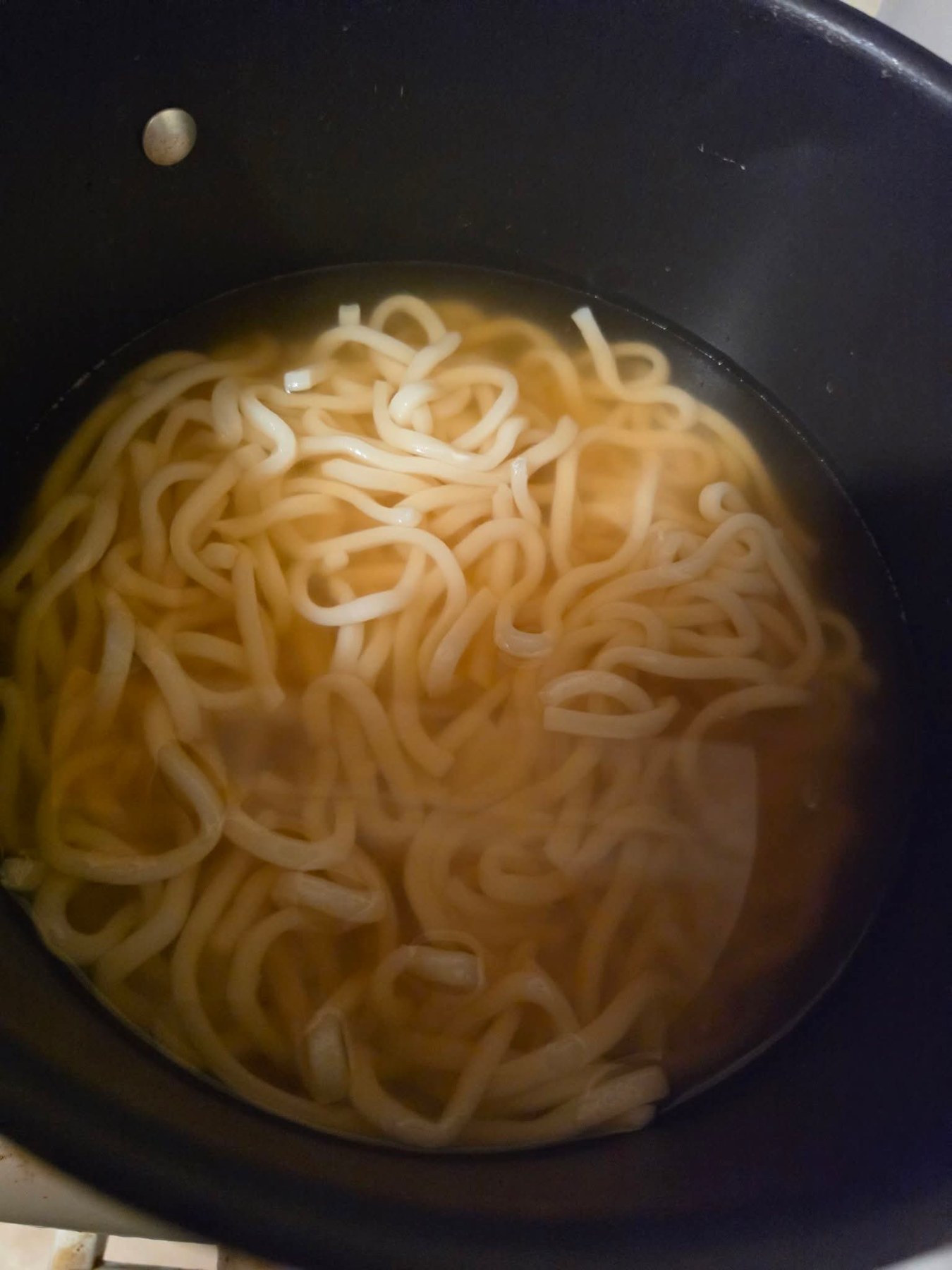
Kake Udon is a classic Japanese noodle soup featuring thick, chewy udon noodles served in a flavorful dashi-based broth. This traditional dish offers a warm, comforting meal that’s quick and easy to prepare, making it ideal for busy weeknights or whenever you crave something soothing yet simple to enjoy. Its balance of subtle umami flavors and satisfying texture makes it a beloved staple in Japanese cuisine and a great introduction for those new to Japanese cooking.
This recipe serves 2 and takes just about 15 minutes from start to finish, combining fresh or frozen udon noodles with a savory broth seasoned with soy sauce, mirin, and salt. Whether you’re new to Japanese cuisine or looking for a reliable staple, Kake Udon delivers satisfying taste with minimal effort. The quick cooking time and straightforward ingredients make it perfect for anyone wanting a nourishing meal without a lot of fuss.
Why you’ll love this Kake Udon recipe
- Quick and easy to prepare, ready in just 15 minutes, perfect for busy days.
- Uses simple, authentic Japanese ingredients that are easy to find in most grocery stores.
- Comforting and light, making it suitable for any season, from chilly evenings to warm lunches.
- Customizable with optional garnishes like scallions that add fresh flavor and a vibrant touch.
- Versatile dish that can be enjoyed as a main course or a side to complement other Japanese dishes.
Ingredients
- 14 oz fresh or frozen udon noodles
- 4 cups dashi
- 2 tablespoons soy sauce
- 1 tablespoon mirin
- 1/2 teaspoon salt, or to taste
- 2 scallions, thinly sliced (optional, typical garnish)
This recipe relies on quality udon noodles, which are thick and chewy wheat noodles that hold up beautifully in hot broth. Fresh or frozen udon works well and cooks quickly, preserving their signature texture. The broth base, dashi, is essential for an authentic flavor—it’s a savory stock made from kombu seaweed and bonito flakes, offering rich umami depth that defines Japanese soups. Soy sauce adds a salty, fermented complexity, while mirin provides a subtle sweetness to balance the broth. Adjust seasoning with salt to suit your taste preferences. Scallions add a fresh, mild onion flavor and a pop of color when serving, enhancing both the look and flavor of the dish.
Instructions
- Simmer the dashi: In a pot, bring 4 cups of dashi to a gentle simmer over medium heat. Avoid boiling vigorously to preserve the delicate flavors of the broth.
- Add seasonings: Stir in 2 tablespoons soy sauce, 1 tablespoon mirin, and 1/2 teaspoon salt. Taste the broth and adjust the seasoning if needed to balance saltiness and sweetness, ensuring a harmonious flavor.
- Cook the noodles: Add 14 oz of fresh or frozen udon noodles to the simmering broth. Cook just until heated through and separated, about 2 to 3 minutes, taking care not to overcook and lose their chewy texture.
- Serve: Divide the noodles and broth evenly into two bowls, making sure to distribute the noodles and liquid evenly for a balanced serving.
- Garnish and enjoy: Top each bowl with thinly sliced scallions if using, and serve immediately while hot to enjoy the best texture and flavor.
Tips for the best results
- Use fresh or frozen udon noodles: These provide the ideal chewy texture and cook quickly, unlike dried noodles which require longer cooking and can become too soft or mushy.
- Do not overcook the noodles: Heating the noodles just until warmed preserves their characteristic chewiness and prevents them from becoming limp.
- Simmer the broth gently: Keeping the broth at a gentle simmer avoids breaking down the delicate umami compounds in dashi, maintaining its clean, savory flavor.
- Taste and adjust seasonings before adding noodles: Dashi strength can vary depending on brand or preparation, so seasoning to taste ensures a perfectly balanced broth.
- Slice scallions thinly and add just before serving: This preserves their crisp texture and vibrant green color, adding freshness and visual appeal to the dish.
- Use good-quality soy sauce and mirin: Authentic and high-quality ingredients make a marked difference in flavor, providing depth and balance to the broth.
Variations and substitutions
- Protein addition: Add cooked chicken, shrimp, or tofu to make the meal more substantial and provide extra protein.
- Vegetables: Include mushrooms, spinach, or bok choy to add nutrients, texture, and color to the soup.
- Dashi alternatives: Use vegetable broth for a vegetarian version, though the flavor will be lighter and less umami-rich.
- Spicy kick: Add a dash of shichimi togarashi (Japanese seven-spice) for a subtle heat and aromatic complexity.
- Egg topping: Soft-boiled or poached eggs add richness and a creamy texture that complements the broth beautifully.
Serving suggestions
Kake Udon is best enjoyed hot and fresh, making it a perfect light lunch or dinner option. Serve it alongside simple sides such as pickled vegetables or a small green salad to add crispness and a contrasting flavor profile to the savory broth. For a more filling and traditional Japanese meal, pair it with tempura vegetables or shrimp for crunch and indulgence. Steamed edamame also makes a great side, providing a healthy and protein-rich complement. The mild, balanced flavors of Kake Udon also make it an excellent starter before more complex Japanese dishes like sushi or grilled fish.
Storage and reheating
Store any leftover broth and noodles separately in airtight containers in the refrigerator for up to 2 days to maintain their best texture and flavor. When reheating, warm the broth gently on the stove over low heat to avoid breaking down its delicate umami flavors. Add the noodles to the hot broth just long enough to heat through, usually about 1-2 minutes, to prevent them from becoming mushy. Always add fresh garnishes like scallions after reheating to preserve their crispness and vibrant color. Avoid reheating the entire dish in the microwave to keep the texture intact.
Frequently asked questions
What is dashi and can I substitute it?
Dashi is a fundamental Japanese stock made primarily from kombu (kelp seaweed) and katsuobushi (dried bonito flakes). It imparts a distinctive umami flavor essential to many Japanese dishes, including Kake Udon. If dashi is unavailable, you can substitute with a light vegetable or chicken broth, but keep in mind that the authentic savory depth will be somewhat diminished. For a vegetarian or vegan option, kombu-only dashi or a well-flavored vegetable broth works well but with a lighter taste.
Can I use dried udon noodles instead?
Dried udon noodles can be used but they require a longer cooking time and may not have the same soft yet chewy texture as fresh or frozen noodles. Fresh or frozen udon is preferred for Kake Udon because they cook quickly and maintain the characteristic thick, smooth, and slightly elastic bite that defines the dish.
Is Kake Udon suitable for vegetarians?
Traditional Kake Udon uses dashi made with bonito flakes, which are fish-based, so it is not vegetarian. However, you can make a vegetarian version by using kombu-only dashi or vegetable broth instead of the traditional stock. This adjustment keeps the dish plant-based while retaining much of the umami flavor.
How can I make this dish more filling?
To make Kake Udon more substantial, consider adding protein such as cooked chicken, shrimp, or tofu. Incorporating vegetables like spinach, mushrooms, or bok choy not only adds nutrition but also enhances the texture and flavor complexity. A soft-boiled or poached egg on top adds richness and creaminess, turning it into a heartier meal.
Can I prepare Kake Udon in advance?
While Kake Udon is best enjoyed fresh to appreciate the noodles’ texture and the broth’s delicate flavor, you can prepare the broth and noodles separately in advance. Store them in airtight containers and combine just before serving. Avoid cooking the noodles too far in advance to prevent them from becoming overly soft or sticky.
Final thoughts
Kake Udon is a wonderfully simple yet deeply satisfying noodle soup that brings authentic Japanese flavors to your kitchen with minimal effort. Its comforting broth and tender noodles make it a versatile favorite for any occasion, whether you seek a quick lunch or a light dinner. This recipe’s straightforward approach and customizable options invite you to explore and enjoy Japanese comfort food in your own home. Try this easy Kake Udon recipe to warm your soul and delight your taste buds.