
Introduction
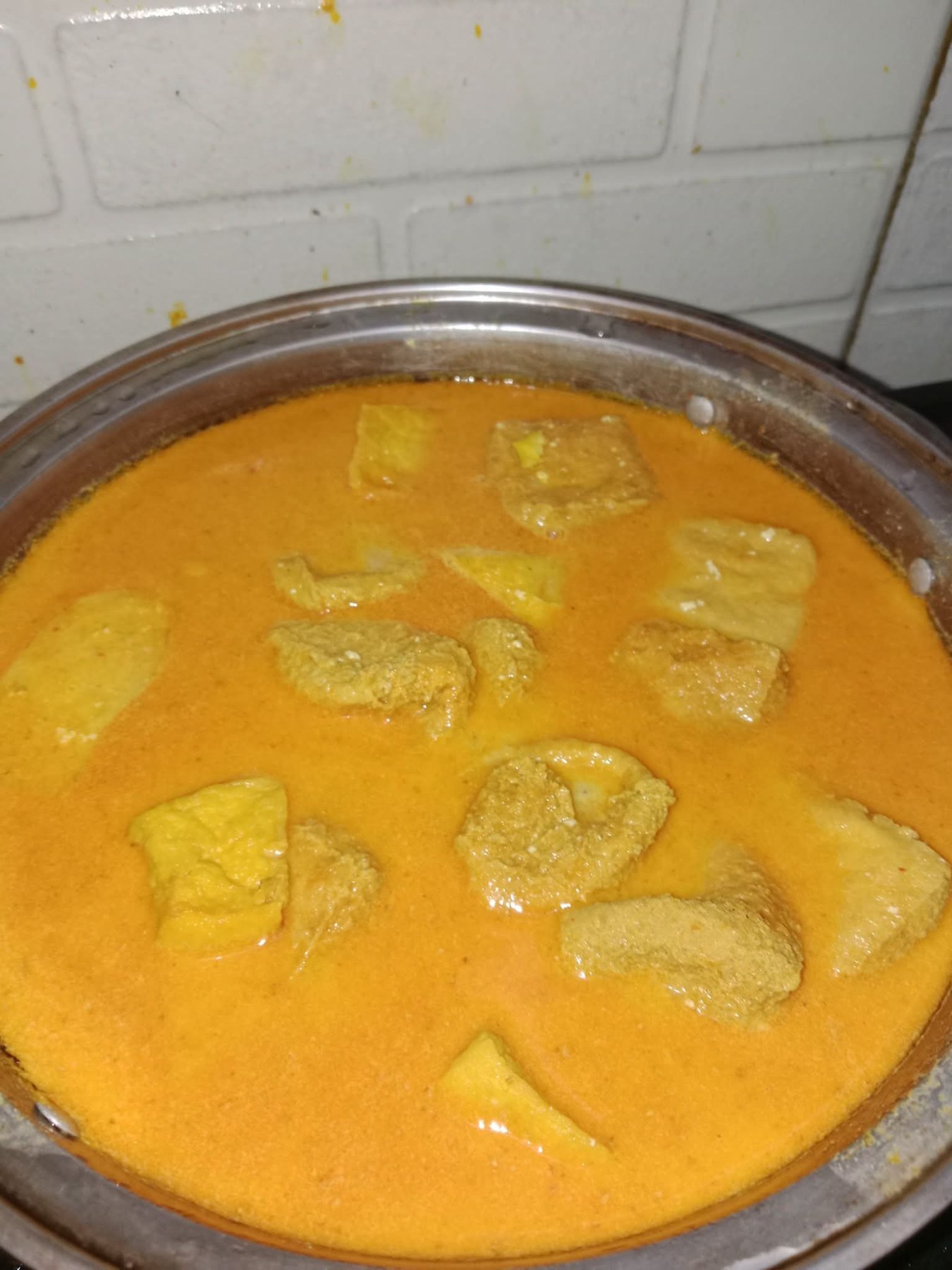
Nigerian Buka Stew with Beef Tripe (Shaki) is a beloved traditional stew known for its bold, hearty flavors and tender textures. This stew combines beef tripe, assorted beef or cow skin, and a spicy pepper base, making it a staple in many Nigerian homes, especially in buka-style eateries.
Perfect for anyone who enjoys rich, spicy stews, this dish works wonderfully as a comforting meal served with rice, boiled yam, or swallow like pounded yam or fufu. With a prep time of about 20 minutes and a cooking time of 1 hour 20 minutes, this recipe balances flavor development and tenderness perfectly for a satisfying meal.
Why you’ll love this Nigerian Buka Stew with Beef Tripe (Shaki)
- This stew offers a unique blend of textures from tender beef tripe and chewy cow skin, creating a satisfying mouthfeel.
- The spicy pepper base made from fresh red bell peppers, tomatoes, and scotch bonnet peppers provides a delicious, fiery kick that’s balanced by palm oil richness.
- It’s a nutrient-rich dish that makes use of lesser-known cuts like shaki and ponmo, celebrating authentic Nigerian flavors and tradition.
- The stew is versatile, pairing perfectly with various staples such as rice, yam, or swallow, making it great for diverse meal options.
- This recipe is accessible for home cooks, with clear steps and common ingredients that bring an authentic Nigerian taste to your kitchen.
Ingredients
- 700 g beef tripe (shaki), cleaned and cut in chunks
- 300 g assorted beef or cow skin (ponmo), cut in pieces
- 3 large tomatoes
- 4 red bell peppers
- 2-3 scotch bonnet peppers
- 1 medium onion, divided
- 180 ml palm oil
- 2 tbsp ground crayfish
- 1 tsp smoked paprika or 1 small piece smoked fish seasoning equivalent (optional for depth)
- 2 seasoning cubes
- 1 tsp salt, or to taste
- 1/2 tsp ground black pepper
- 500-750 ml beef stock or water
Preparation time: 20 minutes | Cooking time: 1 hour 20 minutes | Servings: 5-6
The key ingredients in this stew are the beef tripe (shaki) and assorted beef or cow skin (ponmo), which provide distinct textures and flavors. When selecting tripe, ensure it is thoroughly cleaned for the best taste and tenderness. Fresh, ripe tomatoes and vibrant red bell peppers form the rich pepper base that defines the stew’s characteristic heat and color. Palm oil adds a unique earthy flavor and silky texture, essential in Nigerian cooking. Ground crayfish contributes a subtle seafood depth, enhancing the stew’s complexity.
Instructions
- Prepare the meats: Wash the beef tripe thoroughly and cut into bite-sized pieces. Cut the assorted beef or cow skin into chunks as well.
- Cook the meats: Place the tripe, assorted meat, half the chopped onion, salt, seasoning cubes, black pepper, and a little water into a pot. Simmer gently until the meats are tender, which may take between 45 to 75 minutes depending on the cuts. Reserve the flavorful stock for later use.
- Make the pepper blend: Blend the tomatoes, red bell peppers, scotch bonnet peppers, and the remaining onion until smooth, creating the stew’s base.
- Heat the palm oil: In a separate pot over medium heat, warm the palm oil. Carefully pour in the blended pepper mixture, stirring frequently to prevent burning. Cook until the raw smell disappears and the sauce thickens slightly, about 15 to 20 minutes.
- Add seasonings and stock: Stir in the ground crayfish and a portion of the reserved meat stock. Mix well until the stew has a smooth, lightly soupy texture.
- Combine meats and stew base: Add the cooked tripe and assorted meats back into the pot. Simmer for an additional 10 to 15 minutes to allow flavors to meld. Add more stock or water as needed to maintain a fairly loose consistency.
- Adjust seasoning and serve: Taste the stew and adjust salt if necessary. Serve hot alongside rice, boiled yam, or your preferred swallow.
Tips for the best results
- Ensure the tripe is thoroughly cleaned to avoid any unpleasant odors and to improve texture.
- Simmer the meat gently to get tender, flavorful pieces without toughening the tripe or cow skin.
- When cooking the pepper base, stir often to prevent sticking and burning, which can cause bitterness.
- Adjust the number of scotch bonnet peppers to control the heat level according to your preference.
- Use fresh, ripe tomatoes and peppers for a vibrant flavor and natural sweetness in the stew.
- Add reserved meat stock gradually to achieve the stew’s characteristic loose but rich consistency.
Variations and substitutions
- Substitute assorted beef or cow skin with other offal like cow feet or oxtail for different textures and flavors.
- Replace palm oil with vegetable or peanut oil for a milder taste, though this changes the traditional flavor profile.
- Add smoked fish instead of smoked paprika for a deeper smoky flavor.
- Include other vegetables like chopped spinach or ugu leaves for added nutrients and color.
- Use fewer or no scotch bonnet peppers to make a milder version suitable for sensitive palates.
Serving suggestions
This Nigerian Buka Stew with Beef Tripe (Shaki) pairs beautifully with steamed white rice, which soaks up the flavorful sauce perfectly. It also complements boiled yam or plantains for a more traditional Nigerian meal experience. For those who enjoy swallow dishes, serve it alongside pounded yam, amala, or fufu to scoop up the stew and enjoy its rich textures. Garnish with fresh herbs if desired to add a fresh contrast to the deep flavors.
Storage and reheating
Store leftover stew in an airtight container in the refrigerator for up to 3 days. The flavors often deepen overnight, making it even tastier the next day. To reheat, warm gently on the stove over low heat, adding a splash of water or stock to loosen the stew if it has thickened. Avoid microwaving for long periods to preserve texture. This stew can also be frozen for up to 1 month; thaw overnight in the fridge before reheating.
Frequently asked questions
What is beef tripe (shaki) and how do I clean it?
Beef tripe, known as shaki in Nigeria, is the edible lining of a cow’s stomach. Cleaning involves rinsing thoroughly under cold water, scrubbing to remove any impurities, and sometimes boiling briefly before cooking to reduce odor. Proper cleaning is essential for a pleasant taste and texture in the stew.
Can I make this stew without palm oil?
Yes, you can substitute palm oil with vegetable or peanut oil, but palm oil provides a distinct earthy flavor and rich color important to the authentic taste of Nigerian Buka Stew. Using other oils will change the stew’s traditional flavor profile.
How spicy is this stew?
The stew’s heat depends on the amount of scotch bonnet peppers used. Scotch bonnets are quite hot, but you can adjust the quantity or remove seeds to reduce spiciness. The balance of tomatoes and bell peppers also helps mellow the heat.
What can I serve this stew with?
This stew is versatile and traditionally served with white rice, boiled yams, or various swallow options like pounded yam, amala, or fufu. These starchy sides help balance the rich and spicy flavors of the stew.
Can I use other meats instead of beef tripe?
Yes, you can substitute beef tripe with other meats such as oxtail, cow feet, or more common beef cuts. However, the unique texture and flavor of shaki contribute significantly to the stew’s character, so substitutions will alter the experience.
Final thoughts
Enjoy making this authentic Nigerian Buka Stew with Beef Tripe (Shaki) that brings vibrant flavors and comforting textures to your table. With its rich pepper base and tender meats, it’s a dish that honors tradition and satisfies hearty appetites. Try this recipe to experience a true taste of Nigerian cuisine and impress your family or guests with a delicious, soulful meal.