
Introduction
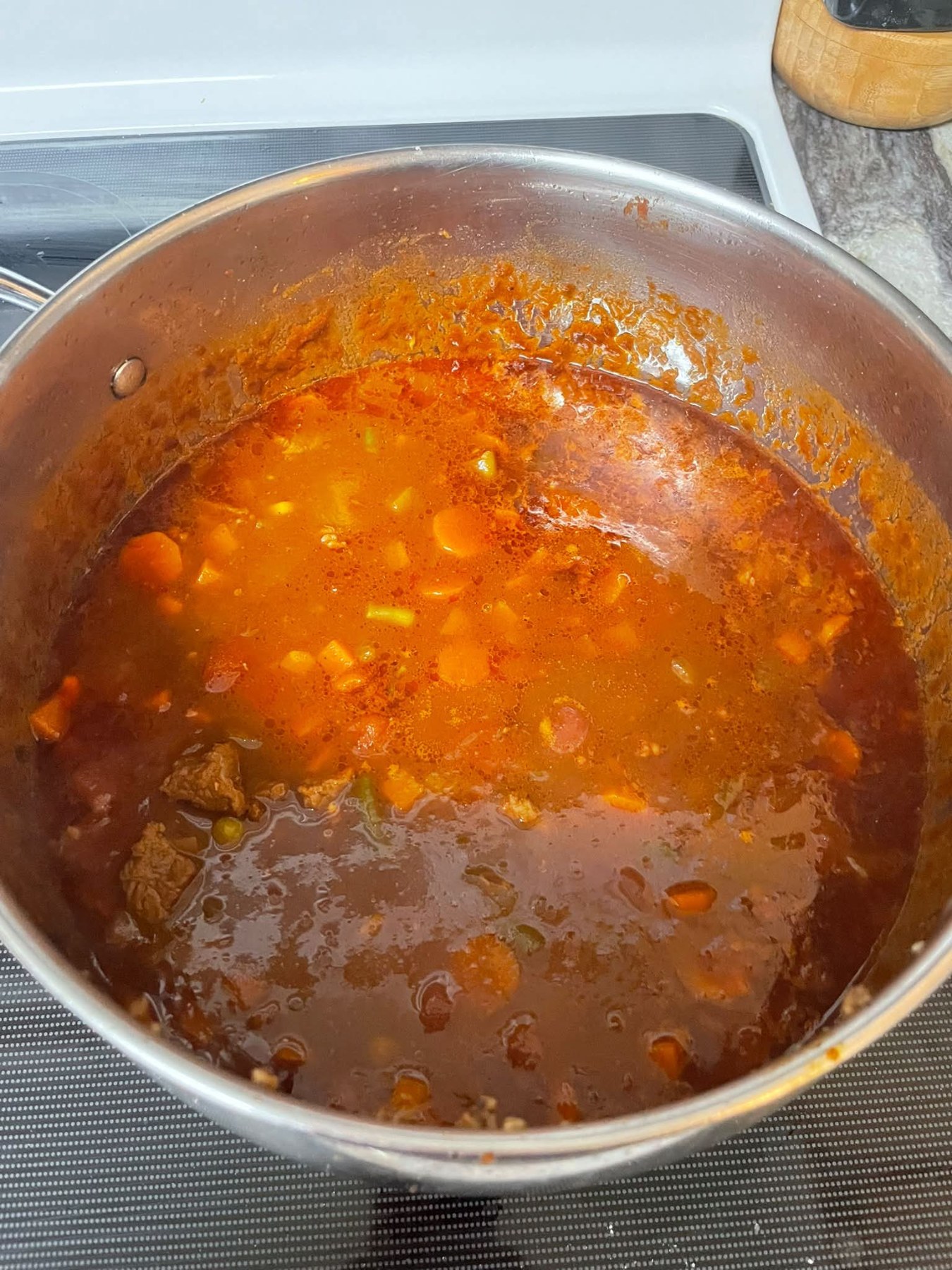
Vegetable Beef Soup is a timeless classic that combines tender, flavorful beef with a colorful medley of fresh garden vegetables simmered in a rich tomato-based broth. This hearty soup is an ideal choice for anyone seeking a satisfying and nourishing meal that warms you from the inside out. Whether you’re cooking for your family on a chilly evening or preparing a make-ahead dish for busy days, this recipe offers both comfort and wholesome goodness in every spoonful.
With a total preparation and cooking time of just over an hour, this soup strikes a perfect balance between convenience and depth of flavor. The slow simmering melds the robust beef with the sweetness of fresh vegetables and the tanginess of tomatoes, creating a versatile recipe that appeals to a wide variety of tastes. Perfect for cooler days or any time you crave a filling, nutritious dinner, this Vegetable Beef Soup is a steadfast crowd-pleaser.
Why you’ll love this Vegetable Beef Soup
- This soup combines tender beef stew meat with fresh vegetables for a balanced, hearty meal that satisfies hunger and palate alike.
- The tomato-based broth adds a rich, tangy depth of flavor that perfectly enhances each ingredient’s natural taste.
- It’s a one-pot recipe, which simplifies cooking and minimizes cleanup, making it great for busy cooks.
- Adding frozen corn and peas at the end preserves their vibrant color and crisp texture for a fresh bite.
- The slow simmering process tenderizes the beef thoroughly while allowing flavors to blend beautifully, creating a comforting and cohesive dish.
Ingredients
- 1 lb beef stew meat, cut into small cubes
- 1 tbsp vegetable oil
- 1 medium onion, diced
- 2 celery stalks, diced
- 2 carrots, diced
- 2 cloves garlic, minced
- 2 tbsp tomato paste
- 1 can (14 oz) diced tomatoes
- 6 cups beef broth
- 1 cup tomato sauce
- 1 tsp salt, plus more to taste
- 1/2 tsp black pepper
- 1 tsp paprika
- 1/2 tsp dried thyme
- 1 bay leaf
- 1 cup frozen corn
- 1 cup frozen peas
This recipe serves 6 people and requires 15 minutes of prep time plus 1 hour and 25 minutes of cooking. The key ingredients include beef stew meat, which should be well-marbled to ensure tenderness and rich flavor after slow cooking. Fresh vegetables like carrots and celery contribute natural sweetness and a pleasant texture contrast. Choosing a good quality beef broth is essential for a rich, savory base that elevates the soup’s flavor. Using ripe canned diced tomatoes and tomato sauce deepens the tomato flavor, while the tomato paste intensifies the overall richness. Adding frozen corn and peas at the end preserves their natural sweetness, vibrant color, and fresh texture, making the soup more appealing and balanced.
Instructions
- Brown the beef: Heat the vegetable oil in a large pot over medium-high heat. Add the beef stew meat in batches to avoid overcrowding, allowing each piece to brown evenly on all sides. Browning the meat properly develops a deep, caramelized flavor that forms the foundation of the soup. Remove the browned beef to a plate and set aside.
- Sauté the vegetables: In the same pot, add diced onion, celery, and carrots. Cook, stirring occasionally, until the vegetables are just softened, about 5 minutes. This gentle sautéing releases the vegetables’ natural sweetness without overcooking them. Add minced garlic and tomato paste, stirring for 1 minute until fragrant, which enhances the tomato flavor and adds richness to the base.
- Add liquids and seasonings: Return the browned beef to the pot. Pour in the diced tomatoes, beef broth, and tomato sauce. Stir in salt, black pepper, paprika, dried thyme, and the bay leaf. This combination of seasonings adds complexity and warmth, balancing the acidity of the tomatoes and the savoriness of the beef.
- Simmer the soup: Bring the mixture to a boil, then reduce the heat to a gentle simmer. Partially cover the pot and cook for 60 to 75 minutes until the beef is tender and the flavors meld. Slow simmering allows the beef to become melt-in-your-mouth tender while infusing the broth with rich meaty flavor.
- Add frozen vegetables: Stir in the frozen corn and peas. Continue simmering for an additional 10 minutes to heat through and blend flavors. Adding these vegetables at the end preserves their bright color and pleasant bite, preventing them from becoming mushy.
- Finish and serve: Remove the bay leaf. Taste the soup and adjust salt and pepper as needed. Serve hot, enjoying the rich, hearty flavors that come from the perfectly balanced ingredients.
Tips for the best results
- Brown the beef in batches: Avoid overcrowding the pan when searing the beef. Crowding traps steam and prevents proper browning, which reduces flavor development. Browning each batch separately ensures a deep caramelization that enriches the soup.
- Use fresh, firm vegetables: Choose crisp, fresh carrots, celery, and onions to maintain texture and natural sweetness. Older or limp vegetables can result in a dull flavor and mushy texture after cooking.
- Don’t skip the tomato paste: Tomato paste is concentrated and adds a deep, umami-rich tomato flavor that canned tomatoes alone can’t provide. Cooking it briefly with garlic helps release its aroma and intensifies the broth.
- Simmer gently: Keep the heat low enough to maintain a gentle simmer. Boiling vigorously can toughen the beef and make the broth cloudy. A gentle simmer produces tender meat and a clear, flavorful broth.
- Add frozen corn and peas last: Adding these vegetables in the final 10 minutes preserves their color, sweetness, and slight crunch, enhancing the soup’s texture and visual appeal.
- Adjust seasoning after cooking: Soups often need a final salt boost once all flavors have melded. Taste before serving and add salt or pepper to balance and brighten the flavors perfectly.
Variations and substitutions
- Use ground beef: Swap stew meat for ground beef for a quicker version. This reduces cooking time but still delivers a satisfying, meaty soup.
- Vegetarian option: Replace beef with hearty mushrooms, lentils, or beans and use vegetable broth for a meat-free version that’s still rich and filling.
- Add potatoes: Dice potatoes and add them with the broth to add extra heartiness and creaminess to the soup’s texture.
- Spice it up: Add a pinch of cayenne pepper, chili flakes, or smoked paprika for a gentle heat that complements the savory flavors.
- Herb swap: Substitute thyme with rosemary or oregano to introduce different herbal notes and customize the flavor profile to your liking.
Serving suggestions
This Vegetable Beef Soup is best enjoyed piping hot and pairs beautifully with crusty bread or warm dinner rolls, perfect for soaking up the rich, flavorful broth. A crisp green salad dressed with a tangy vinaigrette offers a refreshing contrast to the hearty soup, creating a well-rounded meal. For dessert, a light option such as fresh seasonal fruit or a citrus sorbet complements the savory richness without overpowering the palate. This combination ensures a satisfying and balanced dining experience that feels both comforting and complete.
Storage and reheating
Store any leftover soup in an airtight container in the refrigerator for up to 3 days to maintain freshness and flavor. The soup also freezes exceptionally well; cool it completely before transferring to freezer-safe containers or bags, and freeze for up to 3 months. When reheating, warm the soup gently over medium heat on the stove, stirring occasionally to ensure even heating. Avoid boiling the soup during reheating, as this can cause vegetables to become mushy and beef to toughen, affecting the overall texture and taste.
Frequently asked questions
Can I use other cuts of beef for this soup?
Yes, other cuts such as chuck roast, brisket, or even short ribs can be used as substitutes for stew meat. These cuts contain connective tissue and marbling that break down during slow cooking, resulting in tender, flavorful meat perfect for soup. Just be sure to cut the beef into small, uniform cubes to ensure even cooking.
Is it necessary to brown the beef before simmering?
Browning the beef is highly recommended because it develops complex flavors through the Maillard reaction, which enhances the soup’s depth and richness. Skipping this step is possible but will result in a less flavorful broth since the caramelized crust on the meat adds essential savory notes and color to the soup base.
Can I make this soup in a slow cooker?
Absolutely. To make this soup in a slow cooker, first brown the beef and sauté the vegetables on the stove to develop flavor. Then transfer all ingredients to the slow cooker and cook on low for 6 to 8 hours or on high for 3 to 4 hours, until the beef is tender and the flavors have melded beautifully. Add frozen corn and peas during the last 15 minutes of cooking.
What can I use if I don’t have tomato paste?
If tomato paste is unavailable, you can substitute it with a few tablespoons of tomato sauce or ketchup, though the flavor will be less concentrated and slightly sweeter. Alternatively, simmering the diced tomatoes longer to reduce and thicken the broth can help intensify the tomato flavor, but the richness from tomato paste will be less pronounced.
How do I keep the vegetables from getting mushy?
To maintain vegetable texture, add delicate items like frozen peas and corn towards the end of cooking so they heat through without overcooking. Root vegetables like carrots and celery are sturdier and can be added earlier as they hold their shape well during long simmering. Avoid boiling the soup vigorously, which can break down vegetables faster and cause mushiness.
Final thoughts
Vegetable Beef Soup is a comforting and nourishing dish that brings together tender beef, fresh vegetables, and a savory tomato broth in perfect harmony. Its rich flavors, satisfying textures, and ease of preparation make it an excellent choice for family dinners, meal prep, or any occasion that calls for a warm, hearty meal. Try this recipe to enjoy a delicious, wholesome soup that’s sure to become a favorite in your kitchen.